The Culture Makers program platformed Victoria’s creatives, particularly those from historically underrepresented communities in museums. Through their work, our galleries were activated with perspectives, journeys, and ways of seeing that were new to museum audiences. Museums Victoria was the beneficiary of their creativity, vision, and lived experiences.
Over four seasons, Culture Makers evolved into a digital co-making format, generating digital-first, immersive gallery experiences. But it was always about more than exhibitions. It was about people, creativity, and expression taking centre stage—and about working alongside Victoria’s artists and communities to let their perspectives shape the museum itself.
Across those seasons, 27 individuals formed 13 Culture Makers groups. They brought the program to life. We began with events and exhibitions but soon pivoted to a digital co-making process. In our studio, with cameras, animation, and creative works, participants could experiment and create in ways that had never been possible before.
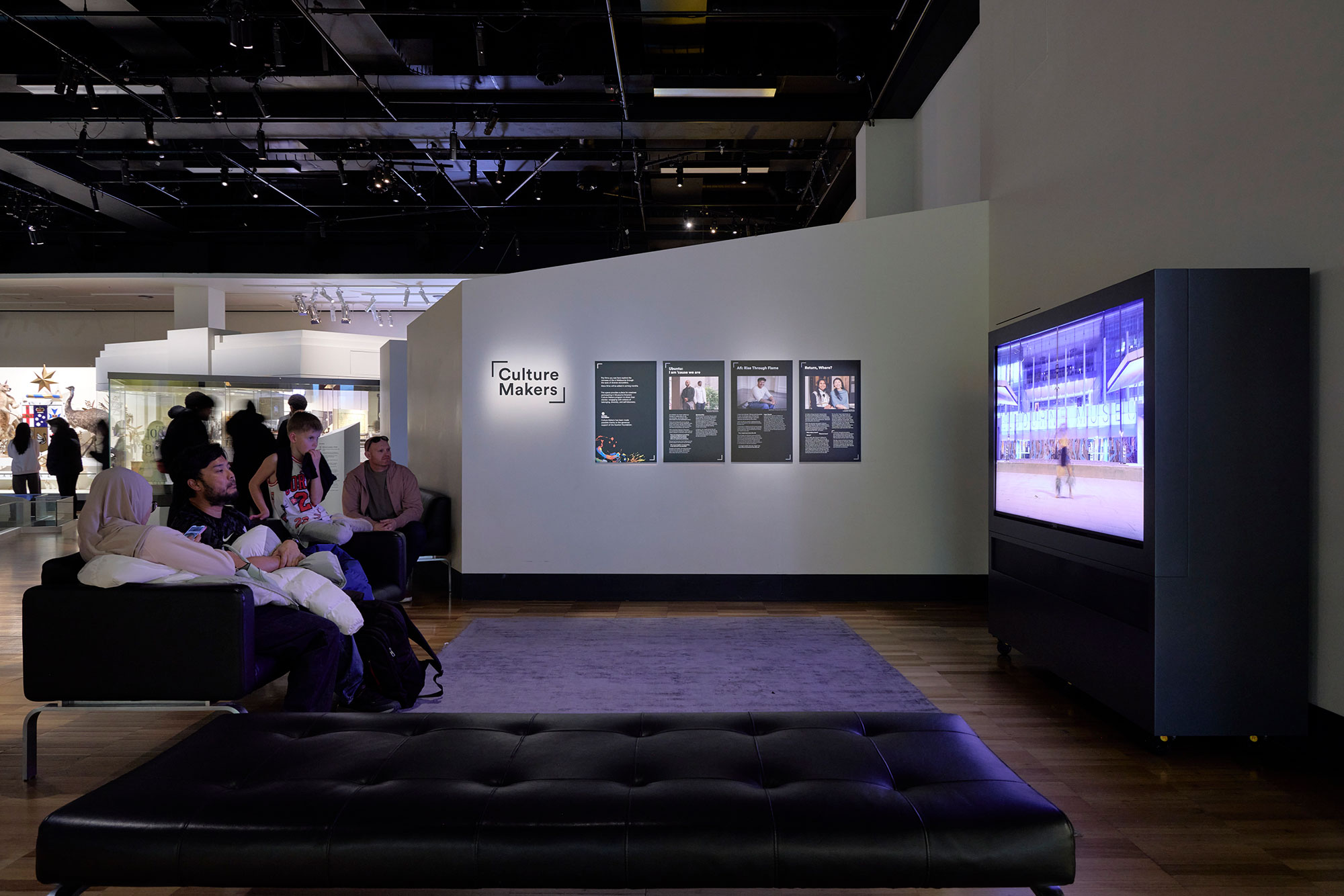
Culture Makers publication
Available for download, this publication emerges from the Culture Makers program, bringing writers and artists into dialogue and extending the work into a digital space.
The making of Culture Makers
This video was made for presentation by Community Partnerships Program Lead Rena Singh at the International Council of Museums General Meeting, Dubai 2025, Future of Exhibitions. It explains how the four seasons of the Culture Makers program was created. Presented by the Manager of the Digital Content Studio at Museums Victoria, Richard Greenhalgh and Programs Curator, Gurmeet Kaur.
In 2024, Gurmeet and Richard presented at the MuseumNext conference as part of Culture Makers: Season Two, with the project Threads.
In this recorded presentation, Gurmeet and Richard explain the process of combining hand crafts with digital immersion technologies to develop new creative work. They outline how co-creating with artists can incorporate collection objects with new interpretations, present stories, and deliver a compelling digital experience for all audiences.
Season One
WALA: A Journey to Ghana
Immigration Museum
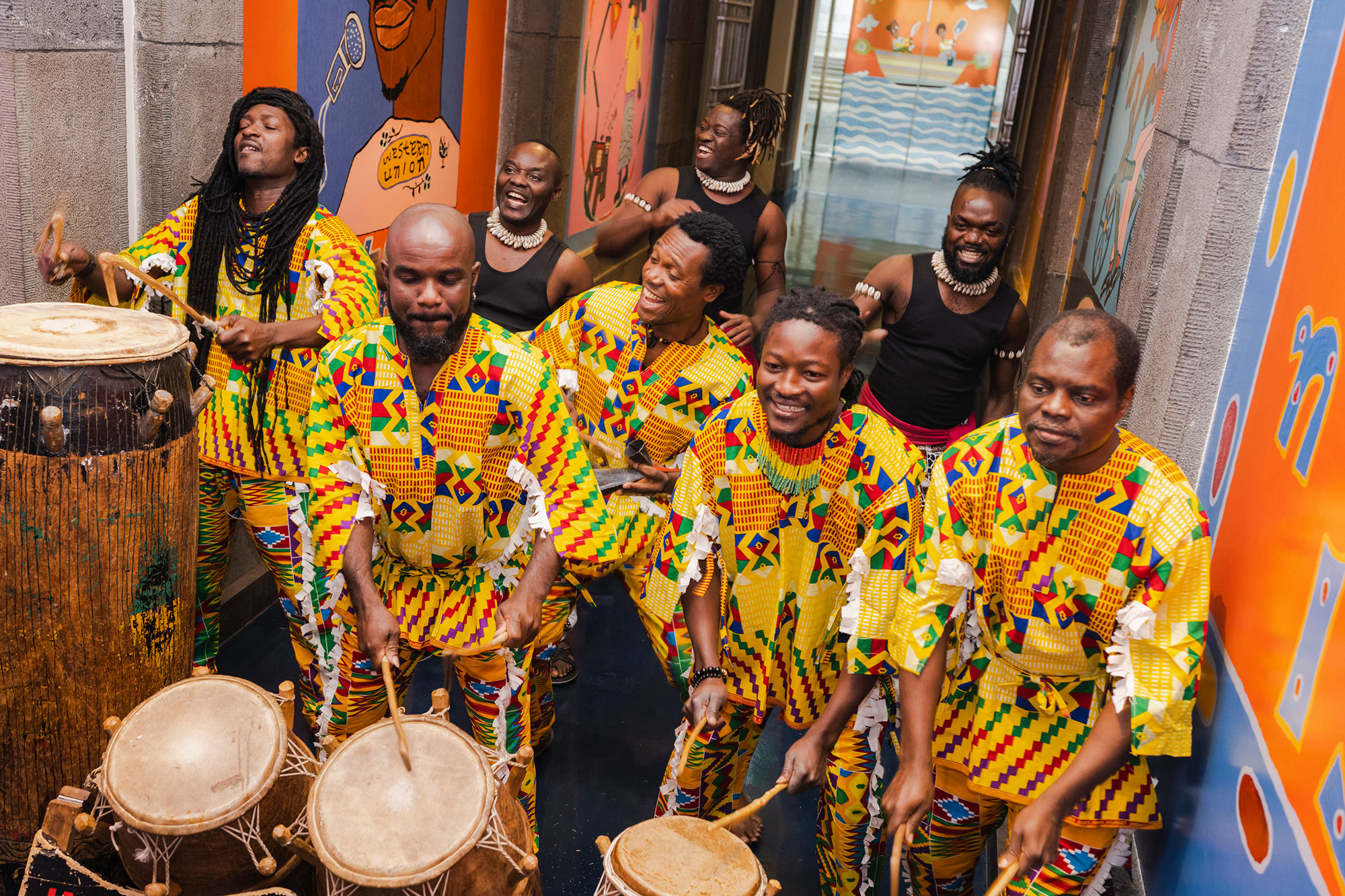
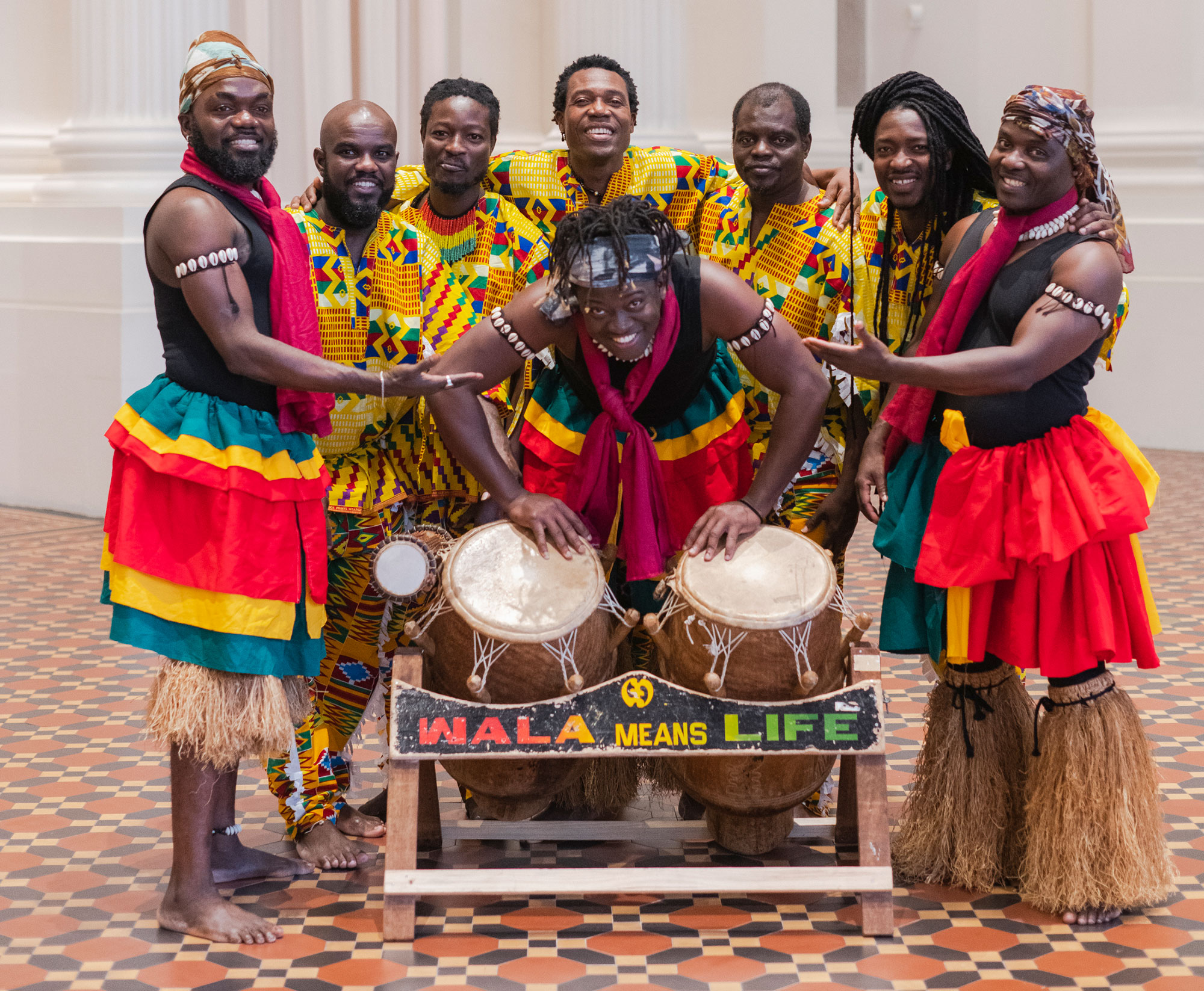
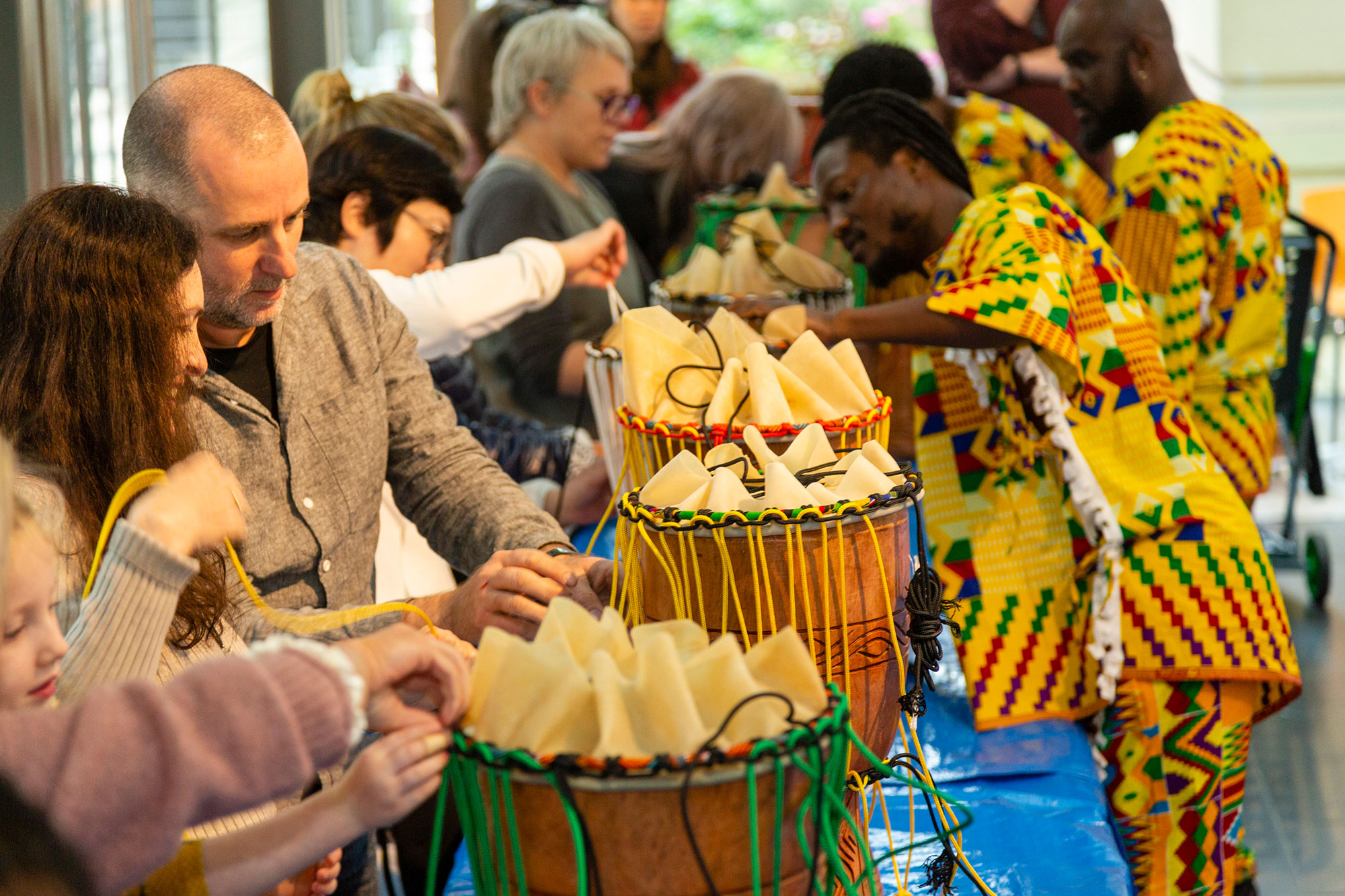
WALA Drum and Dance Ensemble is Odai, Ago, Abli, Aflah, Dan and Kofi. WALA is a drum and dance ensemble from Ghana, West Africa, who hosted a cultural workshop of call and response songs, drumming, and dance, introducing participants to some of their diverse and interesting instruments, stories and cultural history.
Michelle Chen: Mini Melbourne
Immigration Museum and Melbourne Museum
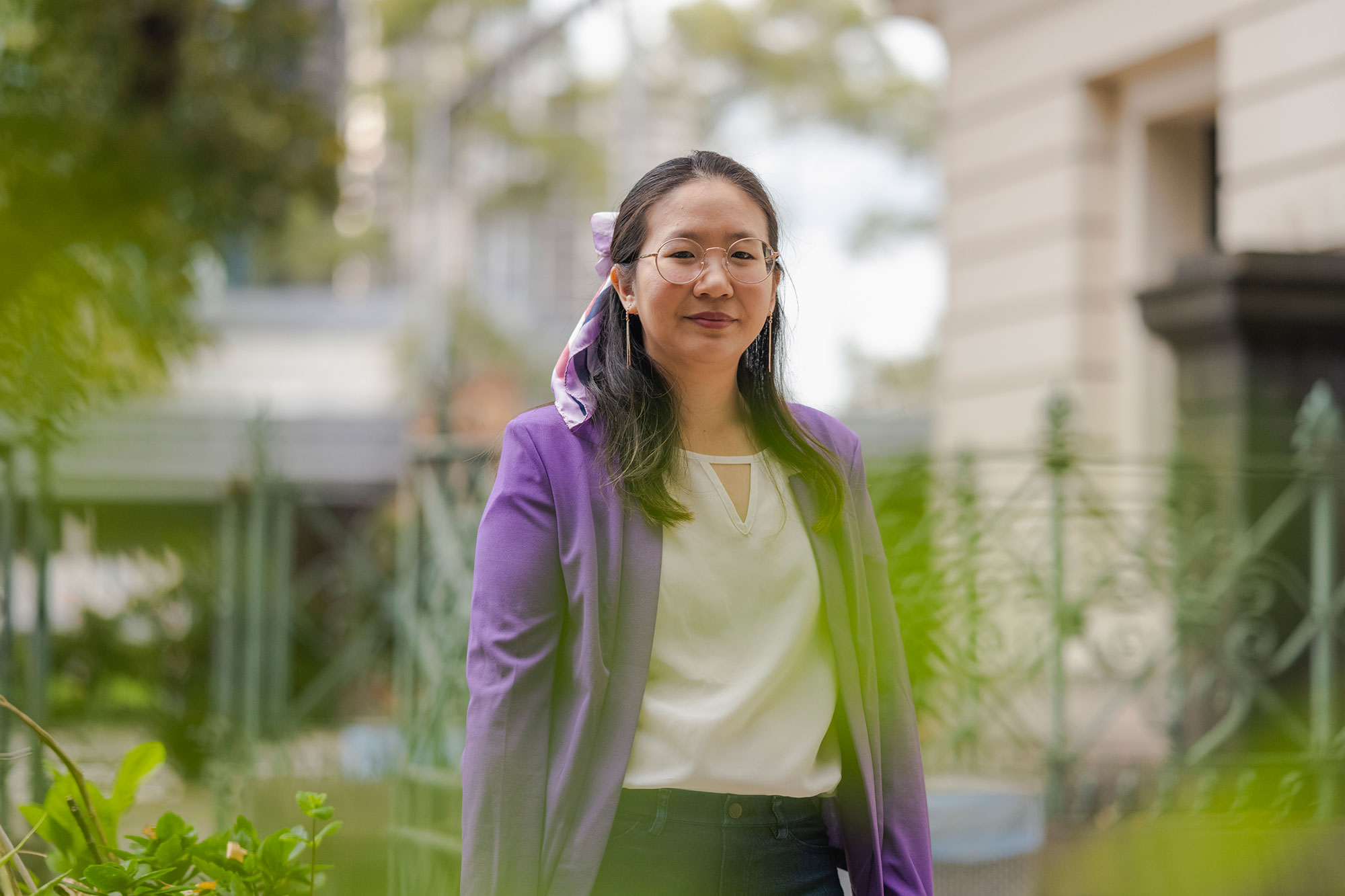
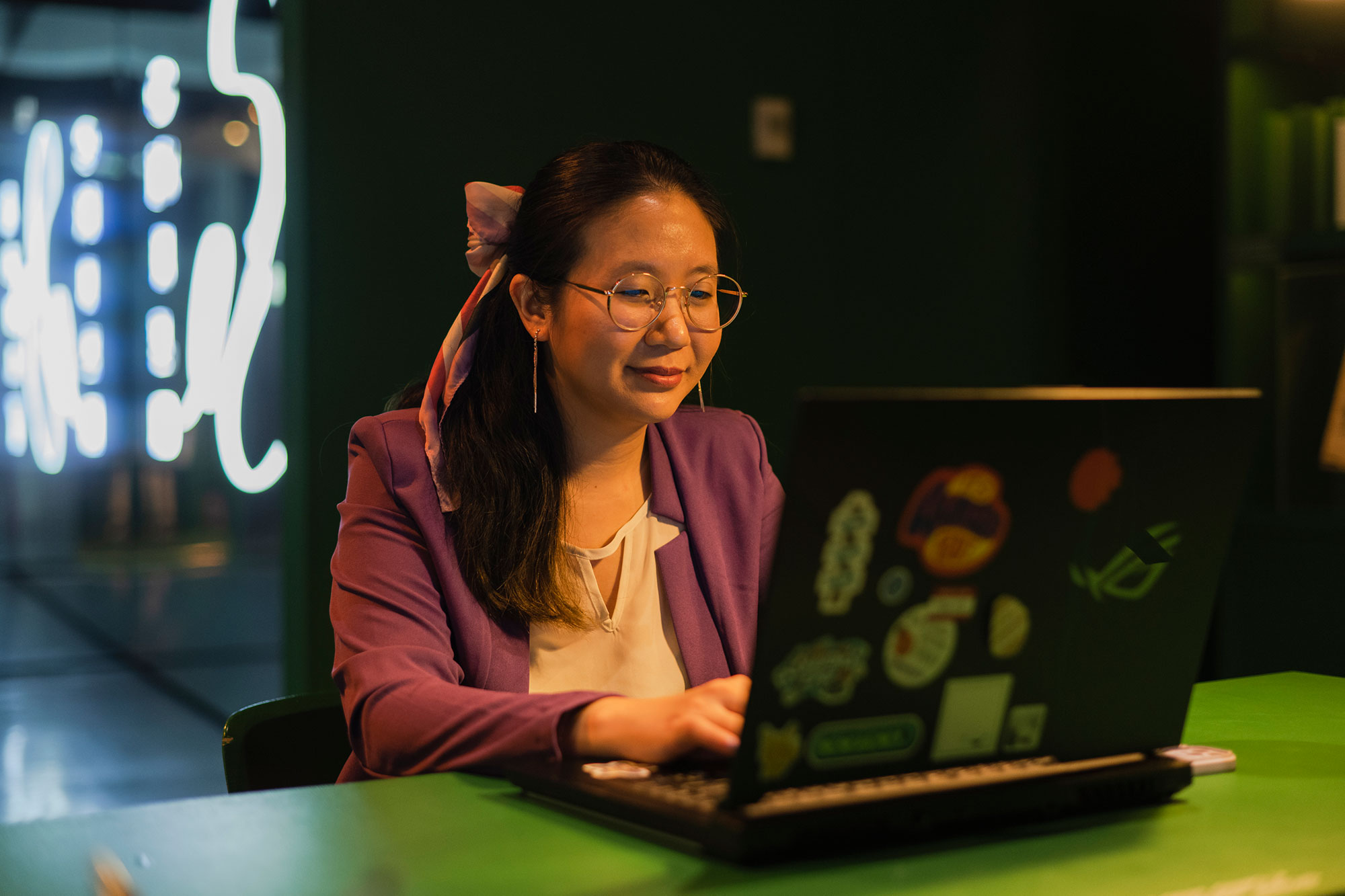
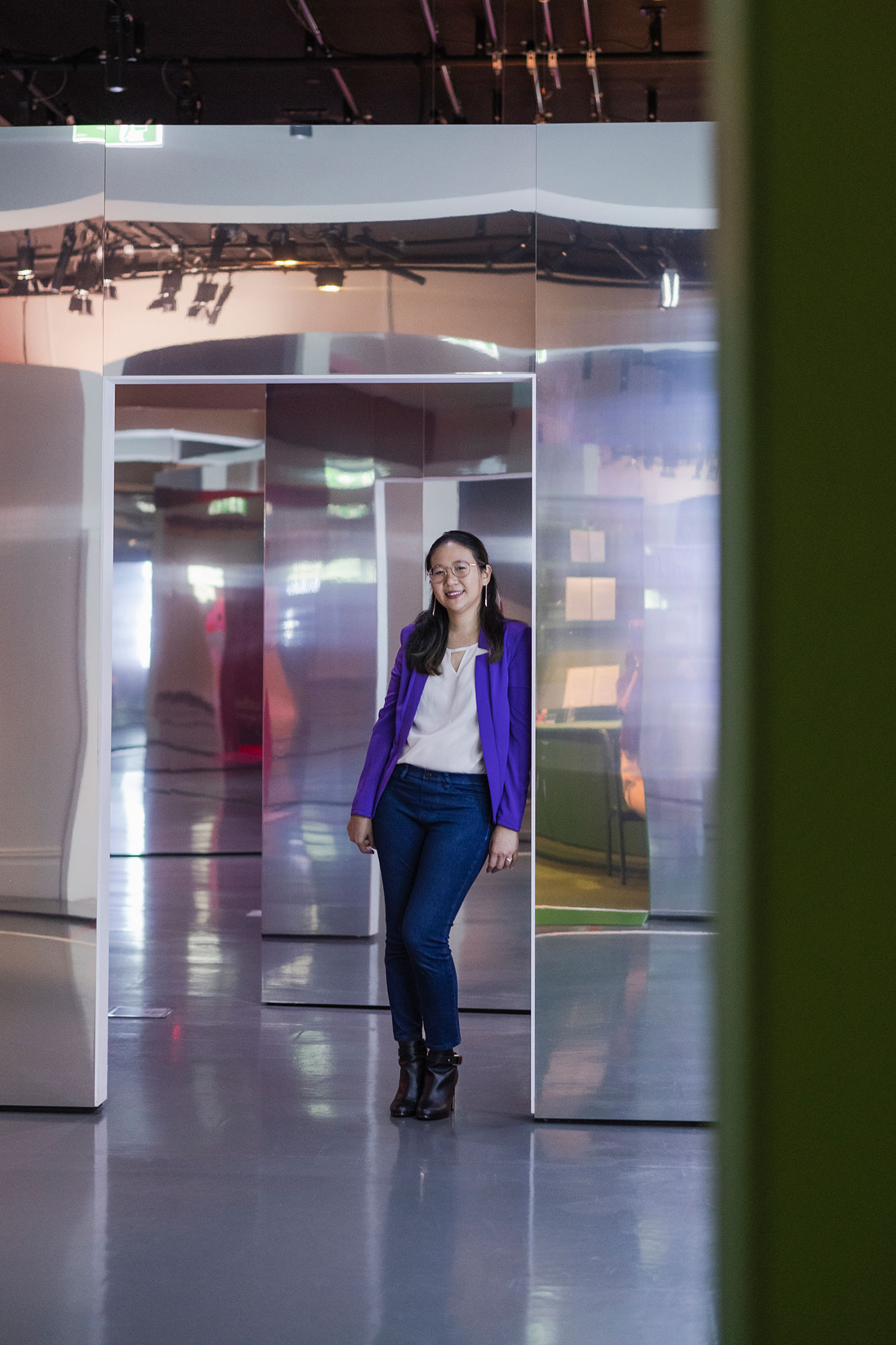
RMIT game designer Michelle Chen delivered workshops for international students to create an online universe and their own Melbourne ‘skin’ through learning the craft of digital gaming.
Michelle invited participants of all backgrounds and abilities to co-create a video game, celebrating the cultural diversity of Melbourne and the common threads that connect us all. Each participant’s creation became a playable character in a virtual recreation of Melbourne and then a collaborative artwork for all museum visitors to play following the workshops.
Maleik Njoroge: Chess Without Borders
Immigration Museum and Melbourne Museum
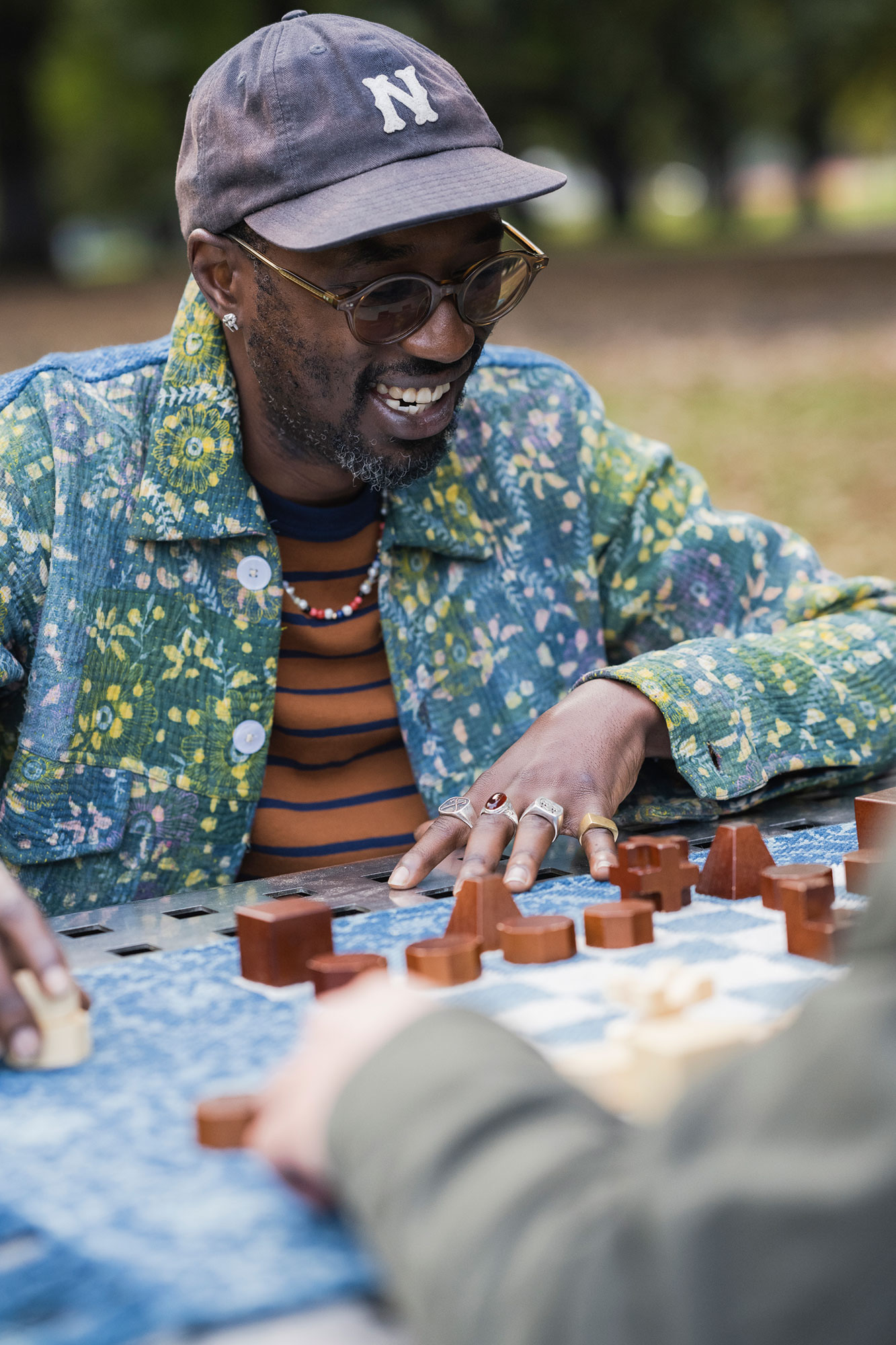
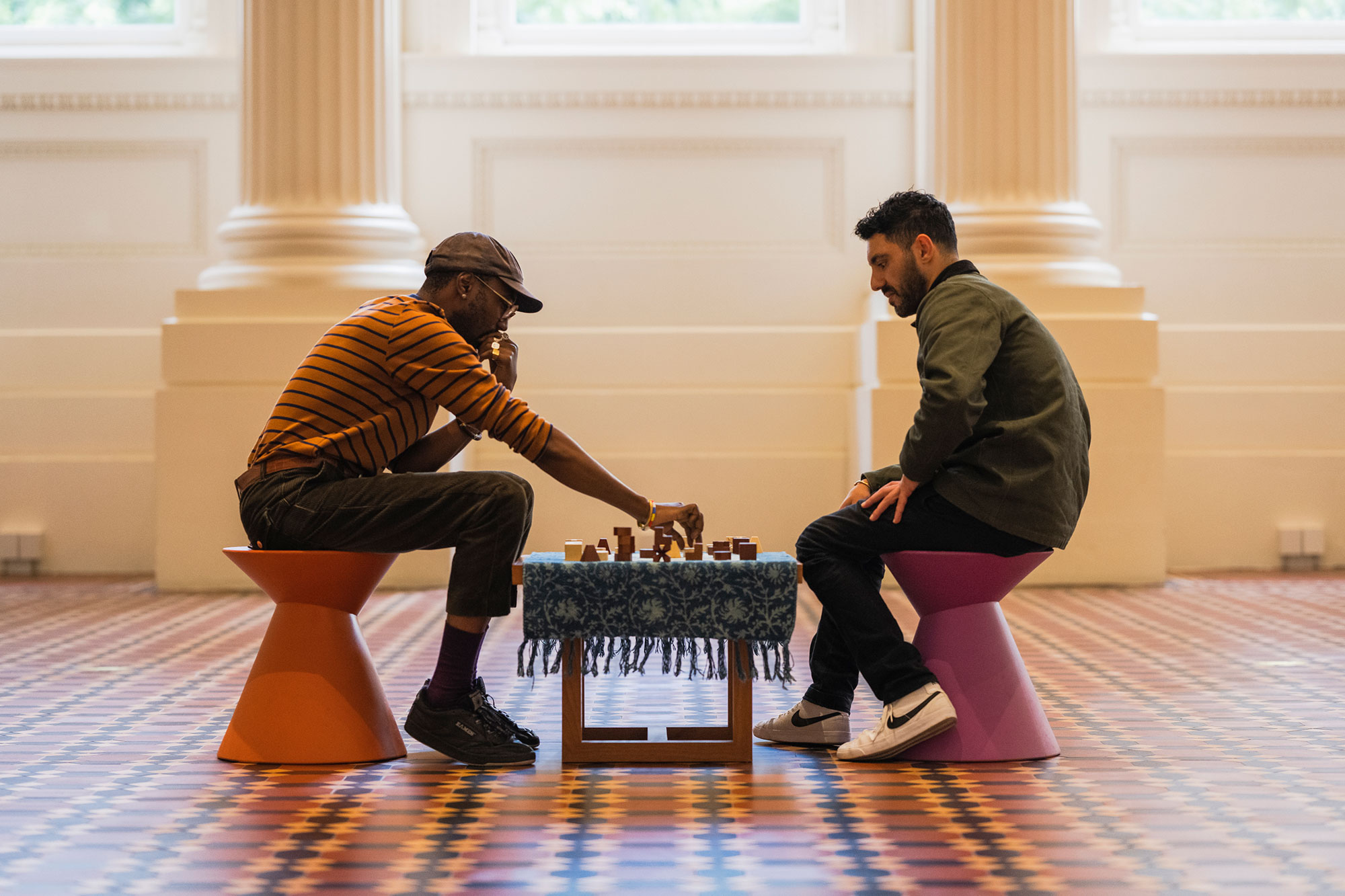
Kenyan-born, Melbourne-based artist and model Maleik Njoroge established the All Tribes Are Beautiful Lab, an experimental space which creates chess products and curates unique chess experiences. Njoroge produced Chess Without Borders: a celebration of chess, migration, and diversity in our community at the Immigration Museum, encouraging active reflection on chess, art and community.
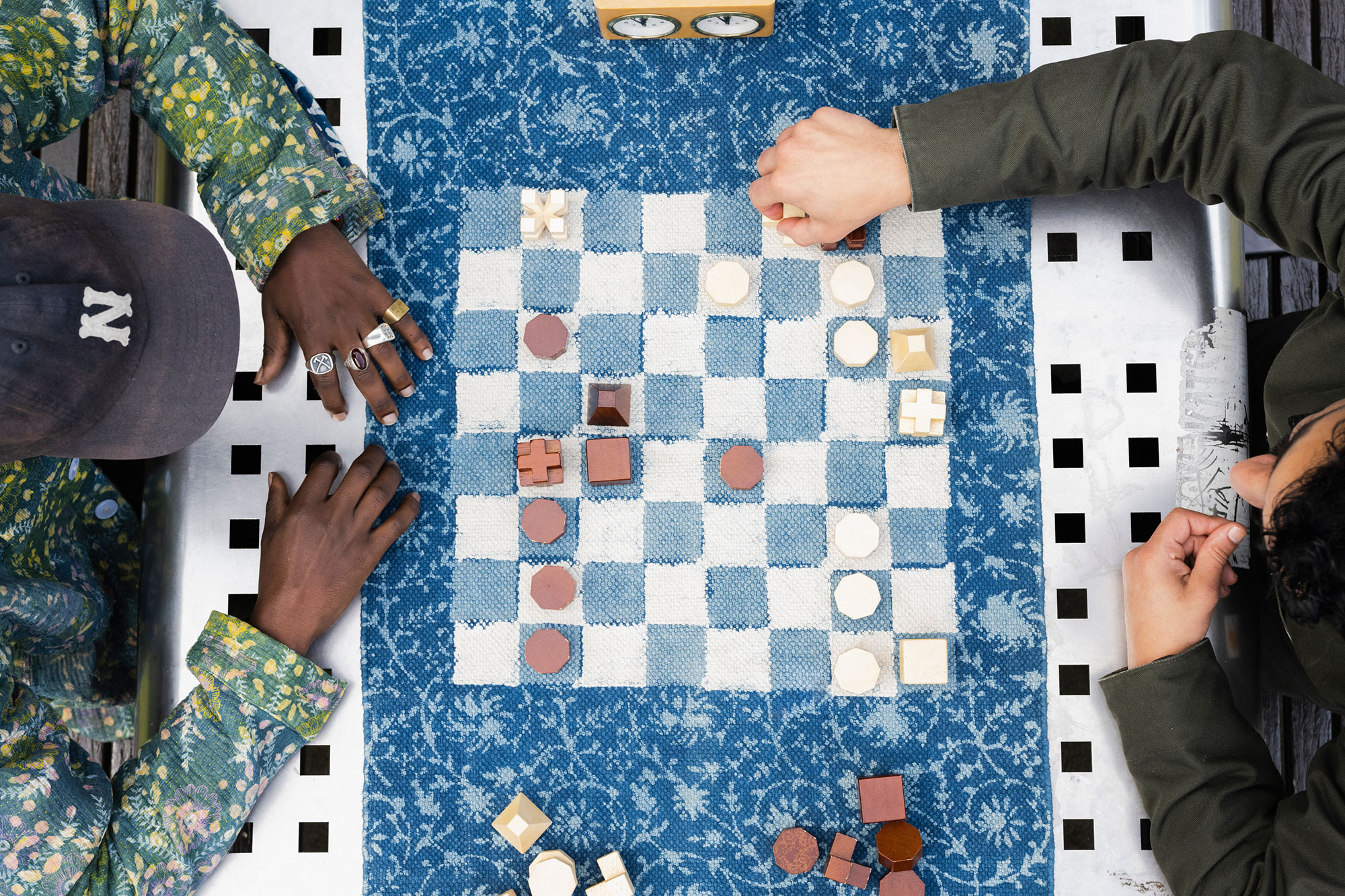
‘The beauty of the game lies not only in its design and function, but what it offers the community,’ says Njoroge. ‘The game brings a universal language, governed by a logic that can only be appreciated and understood in practice.’
Chess Without Borders was first delivered at the Immigration Museum and later in the Learning Lab at Melbourne Museum.
Olana Janfa: What’s your Gov’ment Name
Immigration Museum
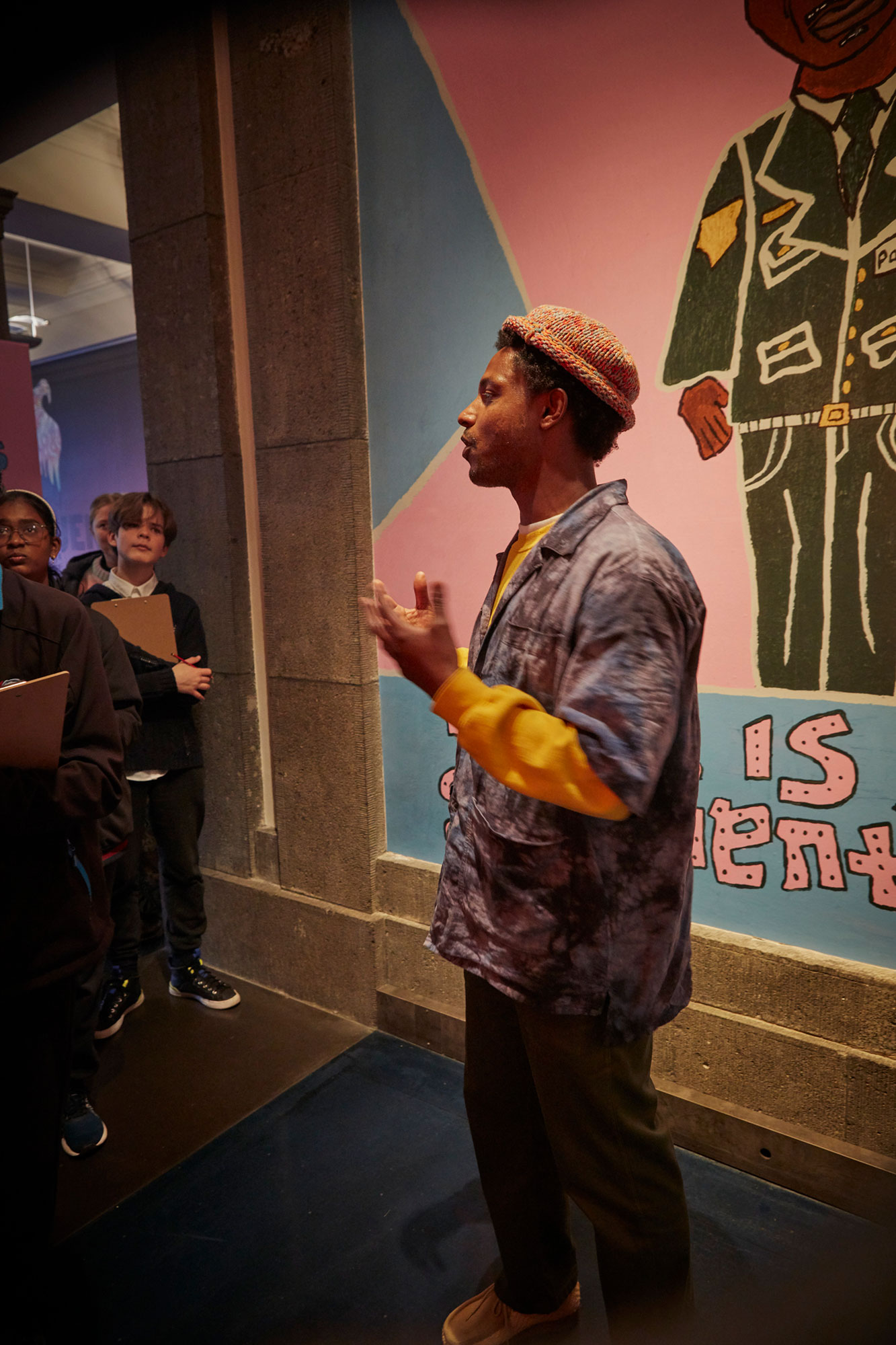
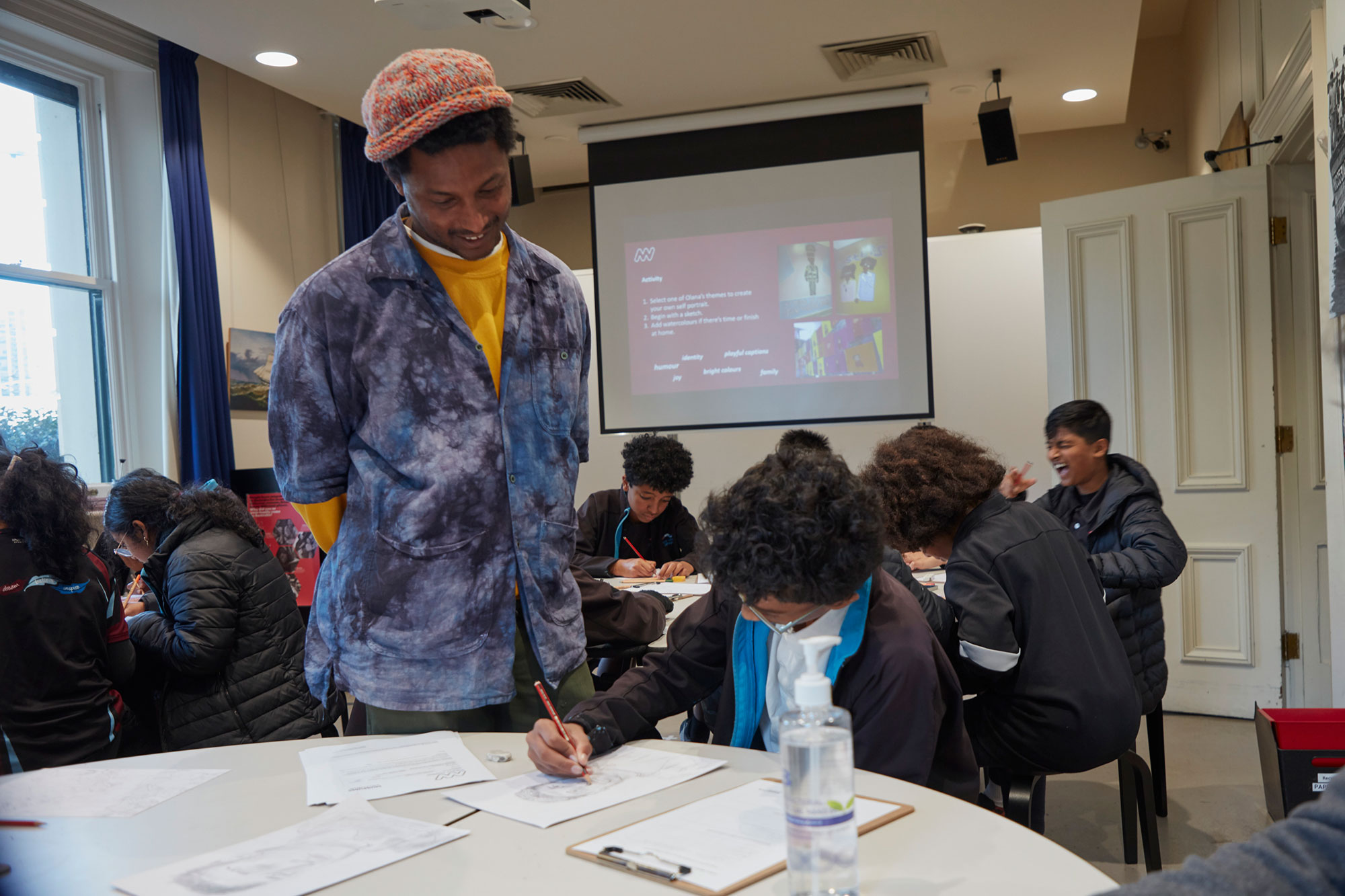
Melbourne-based rising star, Ethiopian-Norwegian artist Olana Janfa presented his exhibition What’s your Gov’ment Name, reflecting on his migrant experience across a series of works that showcased his trademark colour, humour and engaging social commentary.
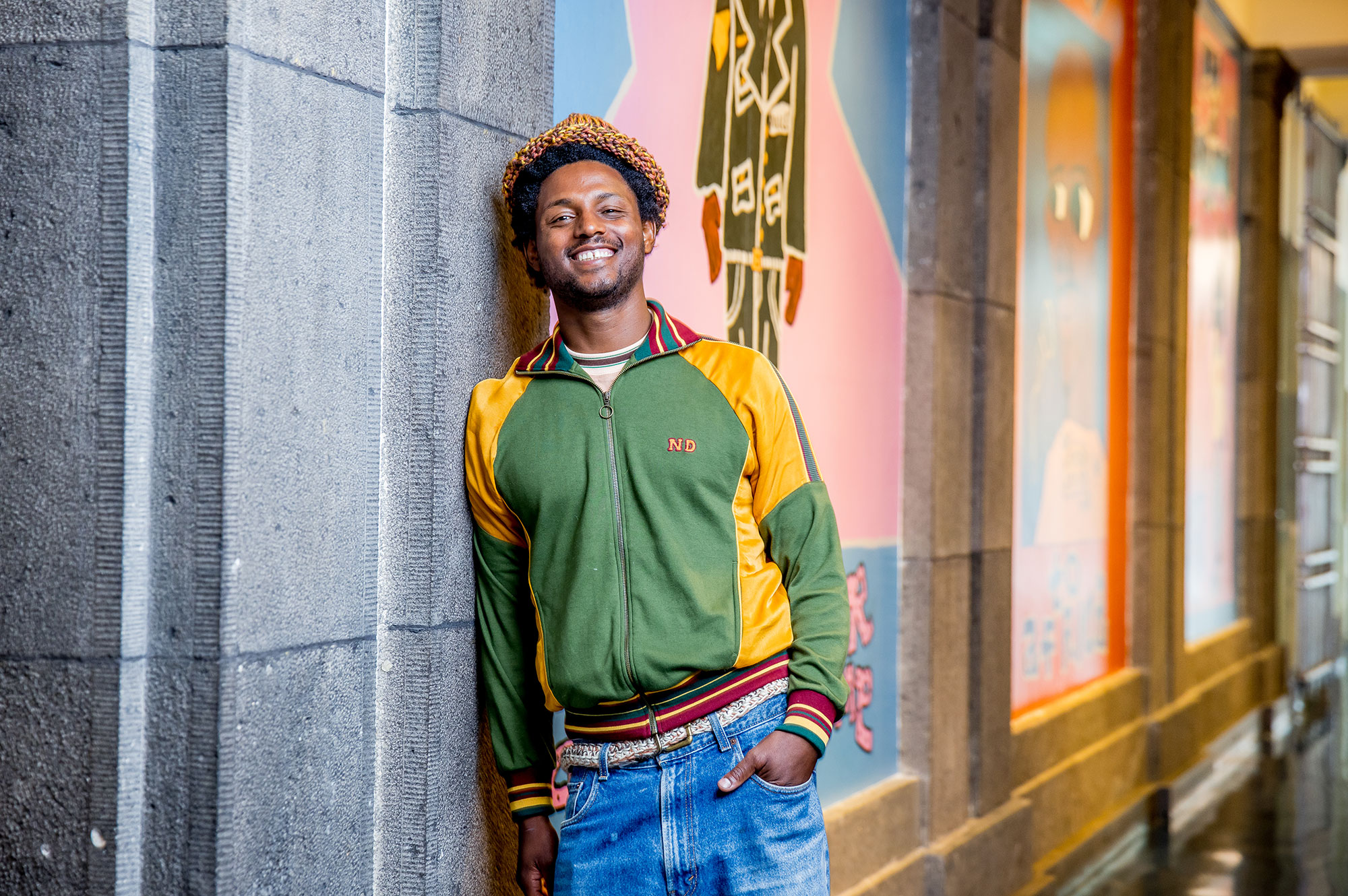
‘Art has connected me strongly with my culture and given me a way to communicate my ideas and experiences without worrying about having perfect English,’ says Janfa. ‘I love the resourceful imperfection of broken English, and I celebrate it.’
He continues: ‘I am interested in how the “migrant” label dictates people’s experiences, opportunities and social status; how it defines their place within the world. I enjoy using art and humour to open up these kinds of conversations.’
Season Two
Arjumand Khan: Welcome to Scienceworks
Scienceworks
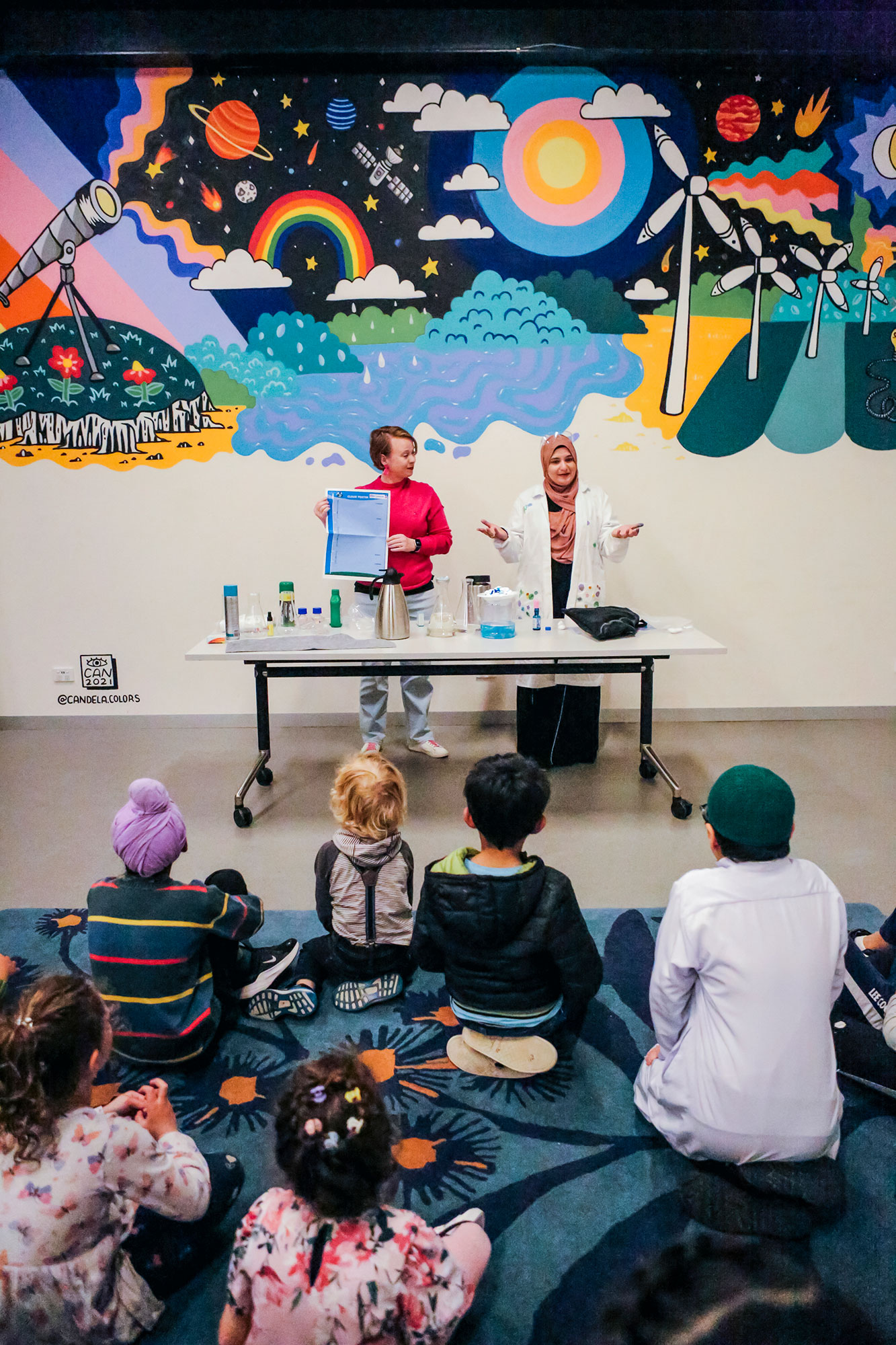
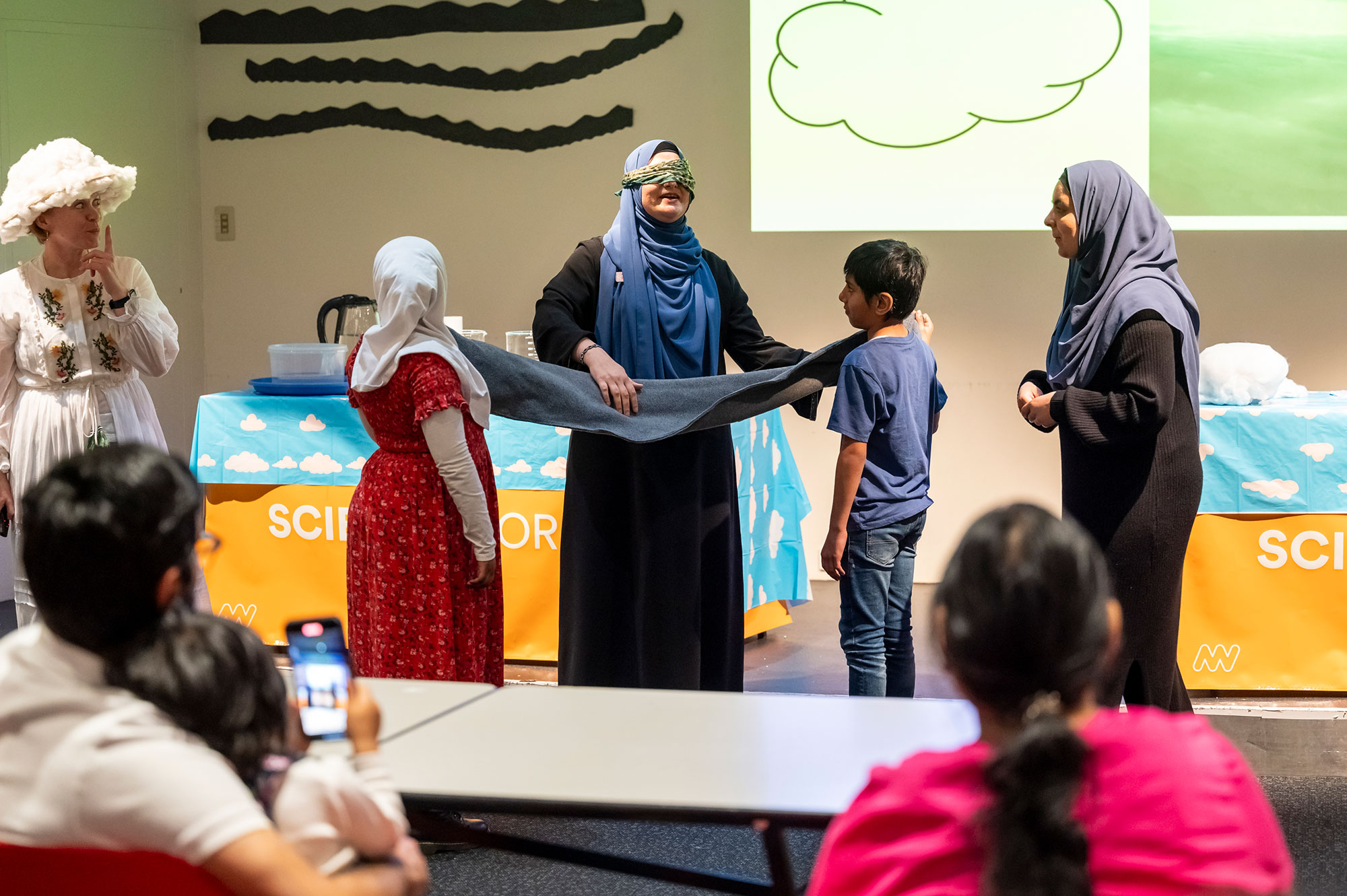
Arjumand Khan, director of STEM Catalyst, delivered two Welcome to Scienceworks events for families, focusing on STEM-based activities. The events included bus travel from Broadmeadows Library to Scienceworks to address the transport barrier that families can experience when participating in site-based activities.
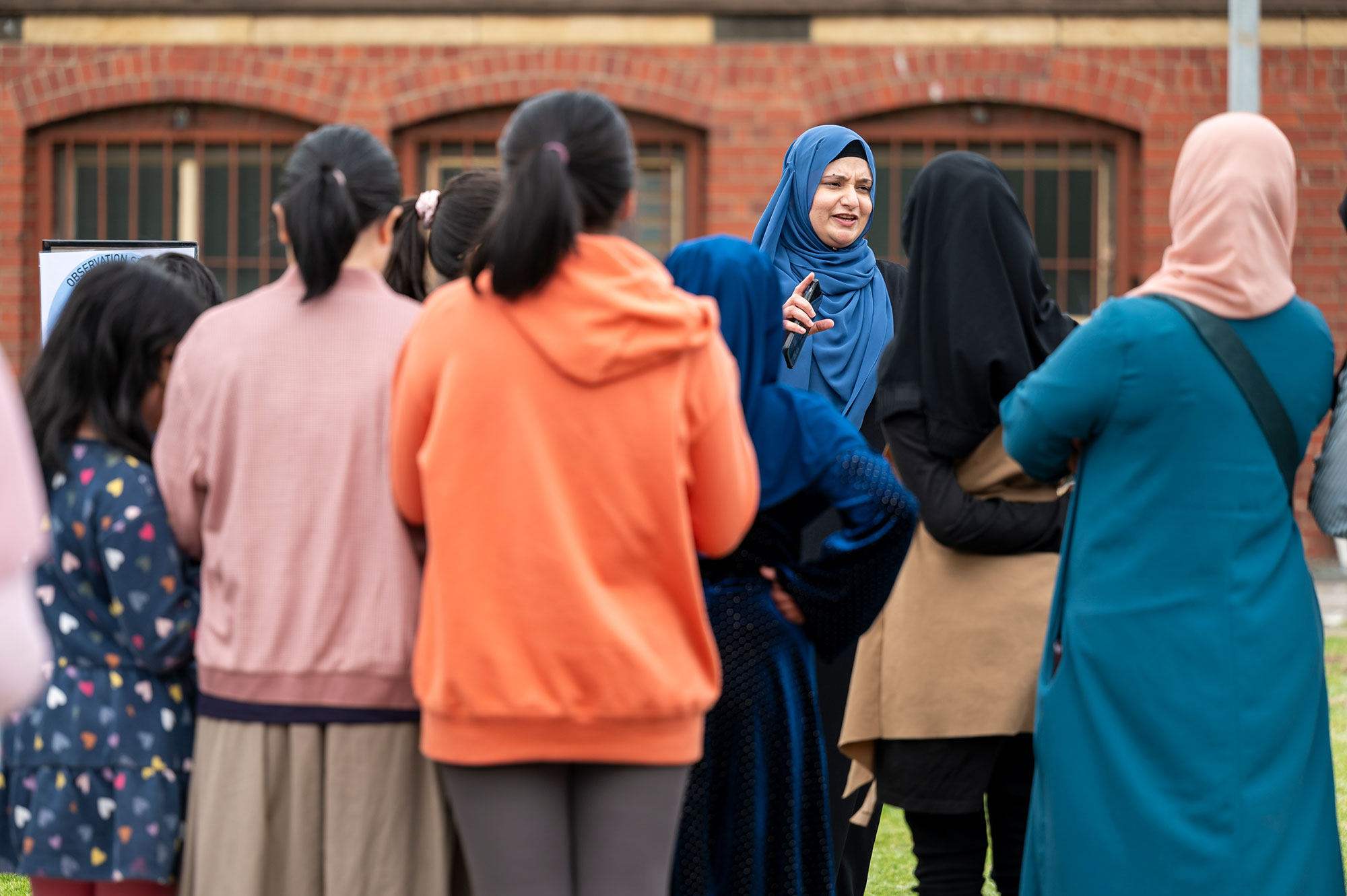
Museums Victoria partnered with Hume City Council Libraries to deliver the Welcome to Scienceworks activities together, including event bookings and promotion through familiar local library locations.
STEM Catalyst promotes and advocates for STEM literacy in culturally and linguistically diverse communities by offering free STEM-based activities to community members from a range of backgrounds. They are role models for new communities, supporting education and gender equity.
Kate Robinson & Maria Birch-Morunga: Threads digital work and education workshops
Melbourne Museum
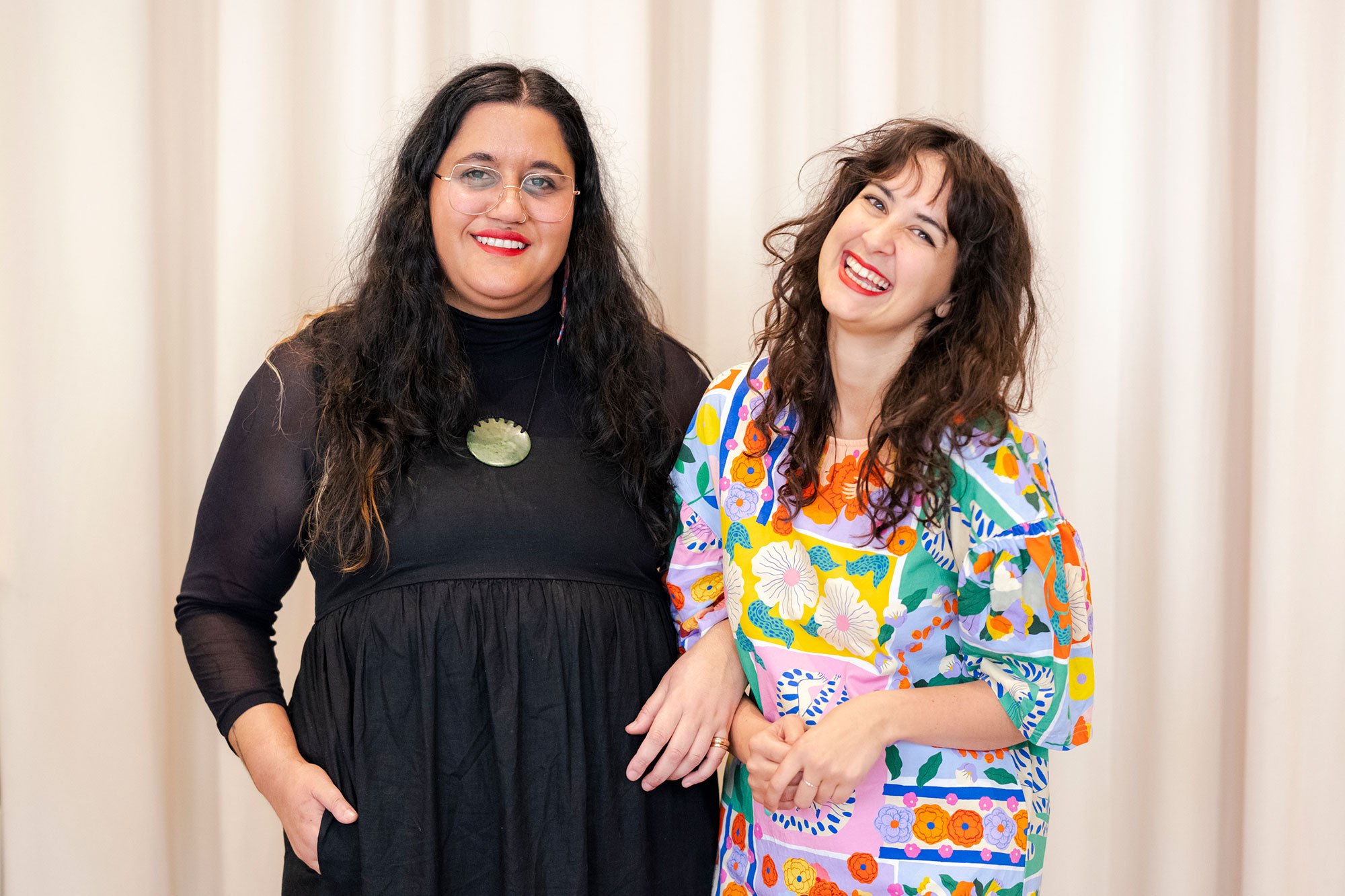
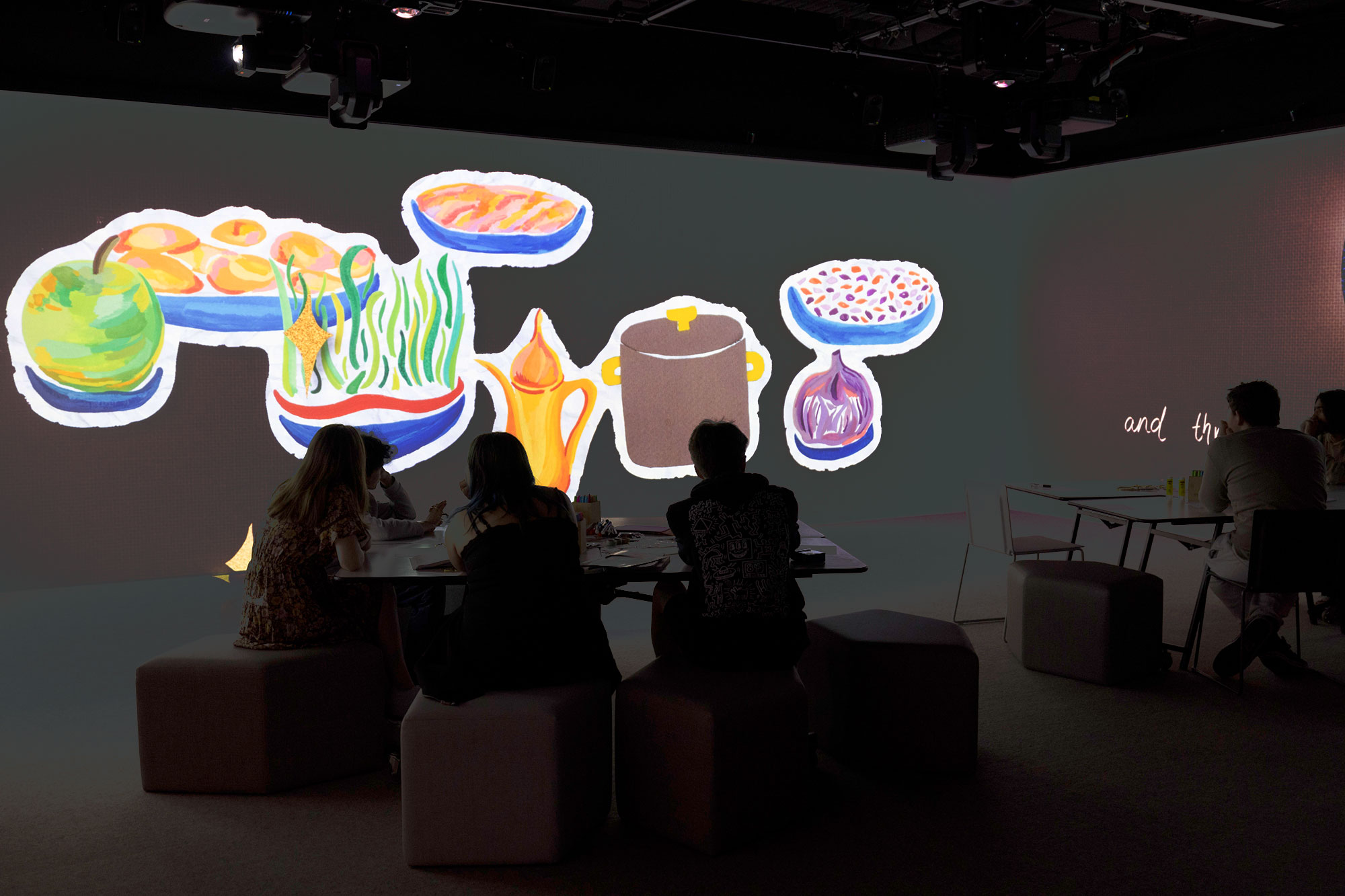
Threads is a stop-motion animation exploring race, identity and belonging by Melbourne-based artists and co-hosts of the Being Biracial podcast, Maria Birch-Morunga and Kate Robinson. It captures the small, nourishing ways in which culture can be practised, rooting identity in place and rituals – for Maria and Kate a journey of connection with their Māori and Iranian heritages.
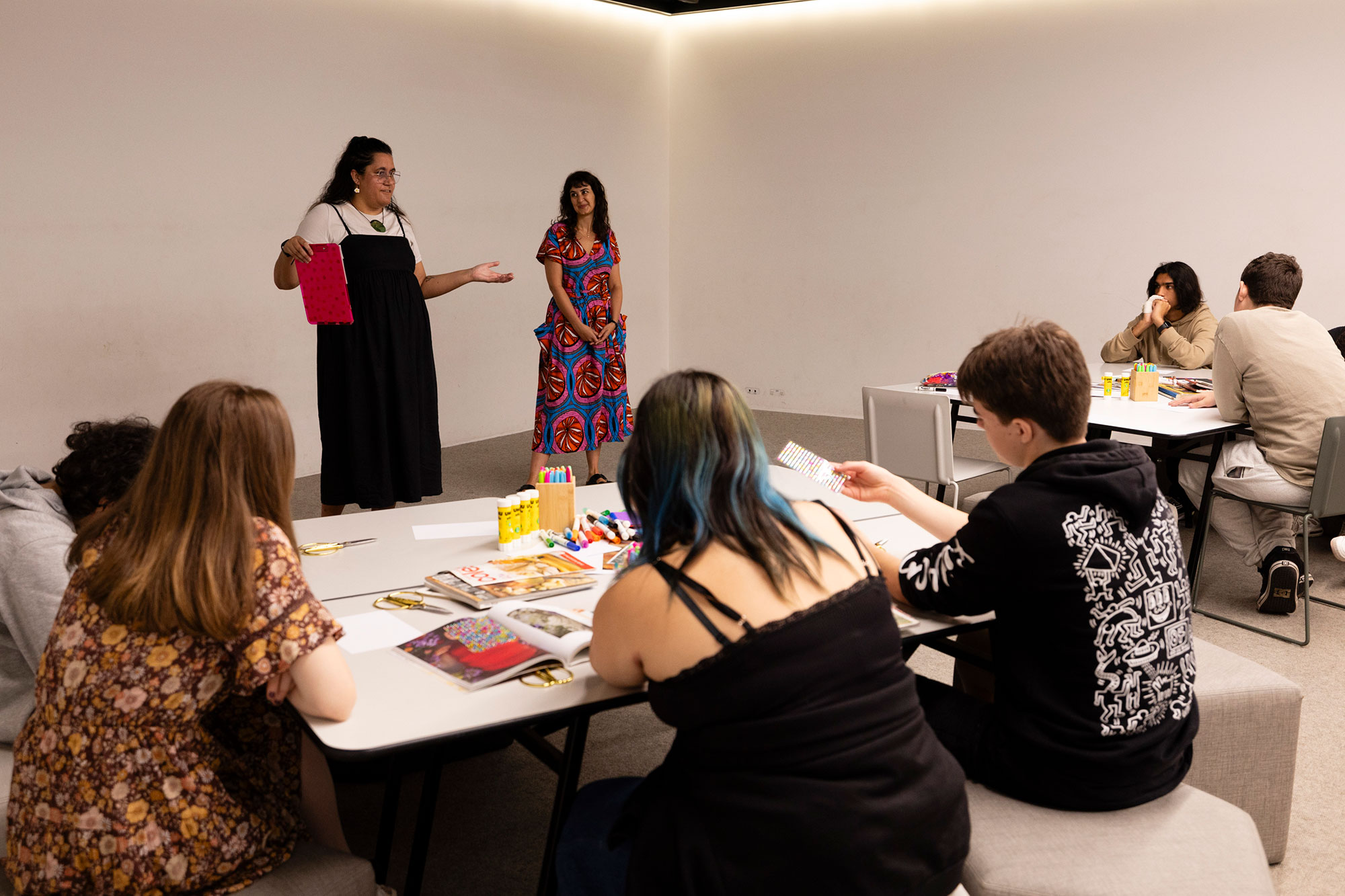
An immersive version of the film is located in the Learning Lab and has a permanent home within the Identity Gallery at Immigration Museum. Curriculum based workshops linked to the work were delivered to secondary students.
Irihipeti Waretini: Māreikura
Immigration Museum
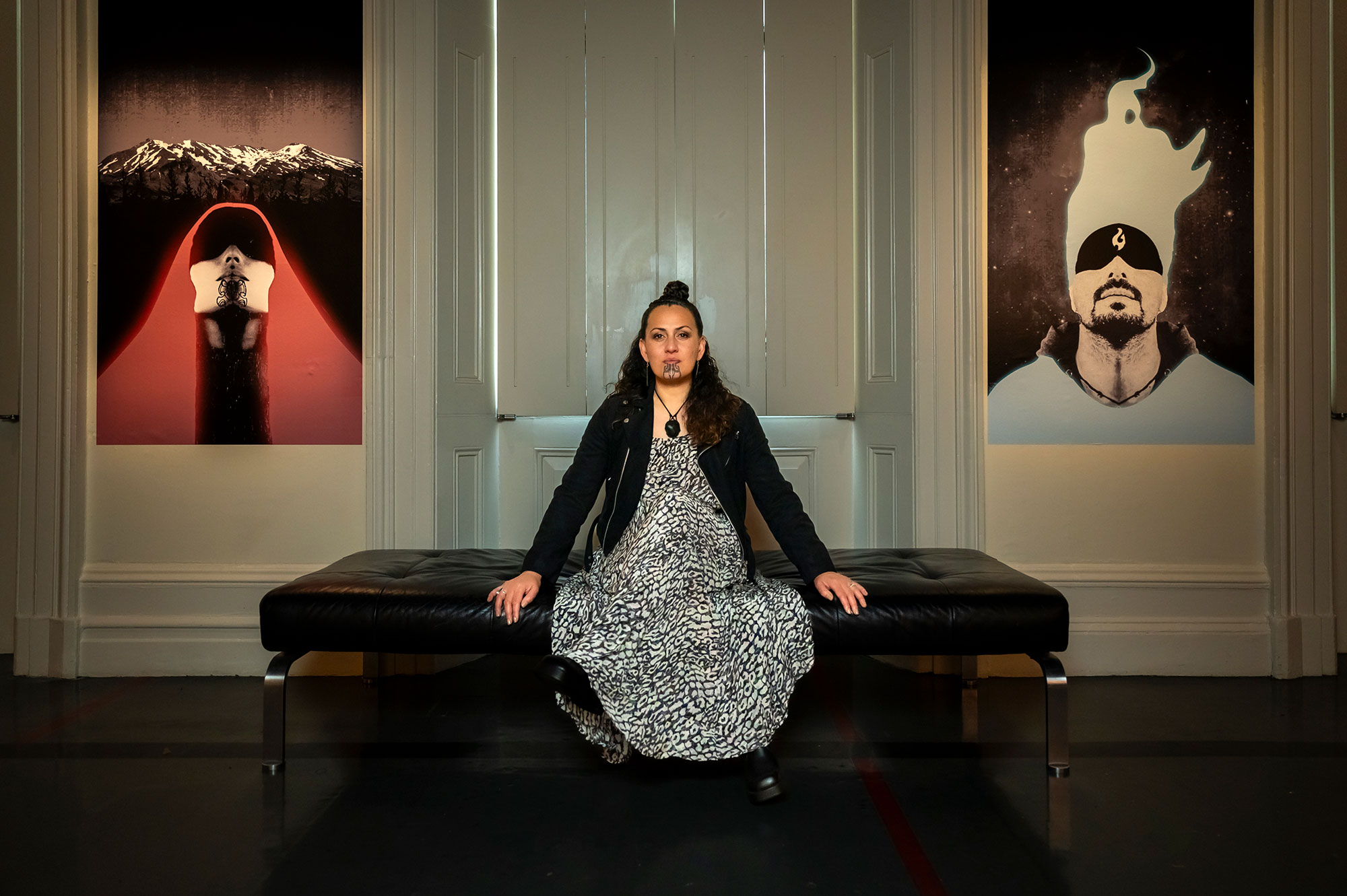
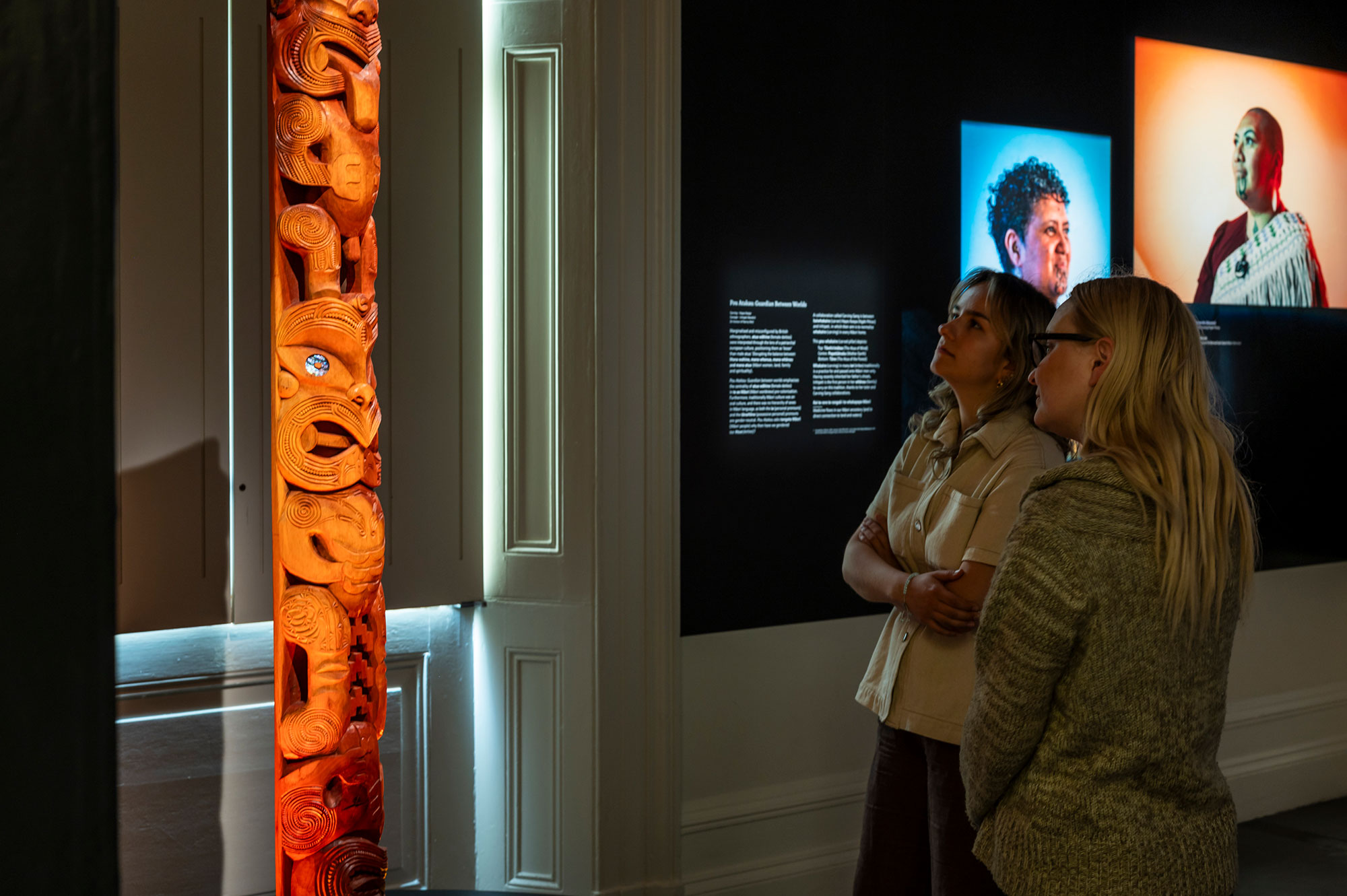
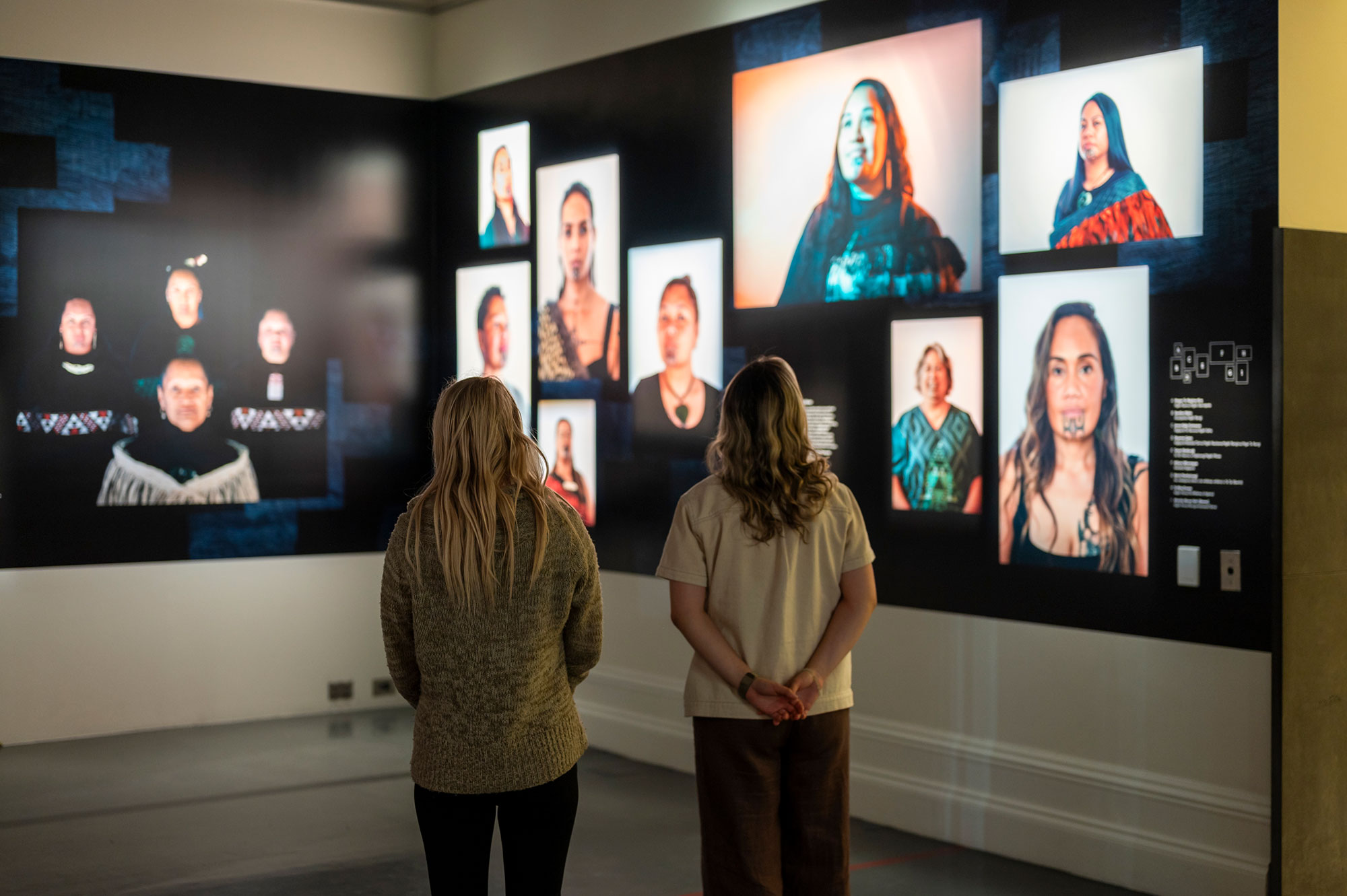
Created by Indigenous storyteller Irihipeti Waretini, Māreikura: Ka rere te rongoā | the medicine flows explored traditional Māori sacredness. Portraying a contemporary, dramatic showing of cultural practices and knowledge systems, the exhibition was anchored by a carved pou (pillar) and features stunning photographic portraits of Māori women living in Naarm (Melbourne) with moko kauae (traditional chin tattoos), with additional installations of multimedia art, text film and soundscape.
Māreikura communicated the impacts colonial structures have had on the sacred feminine and spirituality and a gentle reminder of the medicine Indigenous Matriarchs hold for the wellbeing of community, culture and land.
Season Three
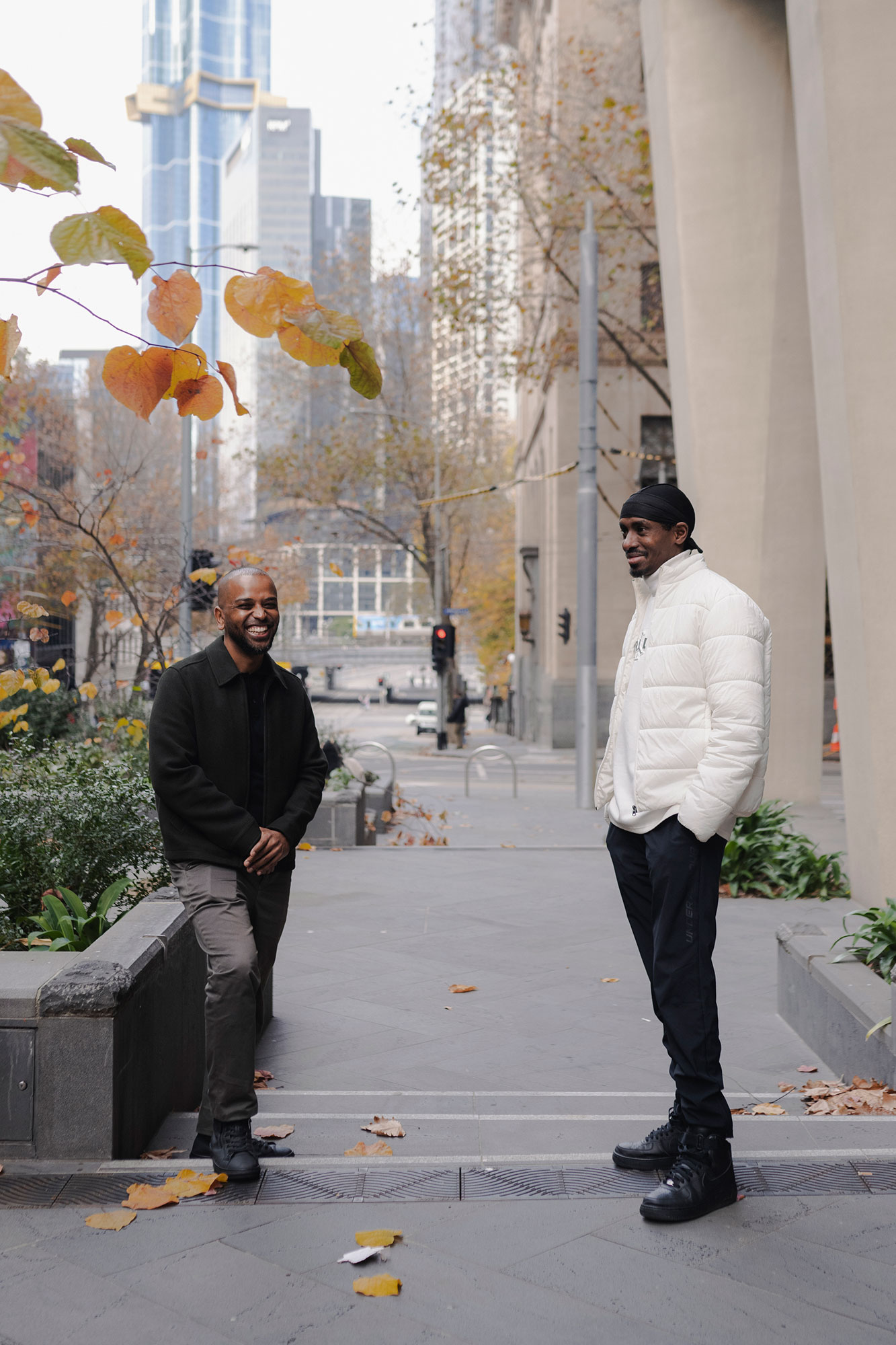
Nor Shanino & Ahmed Dini: Ubuntu, I am ‘cause we are
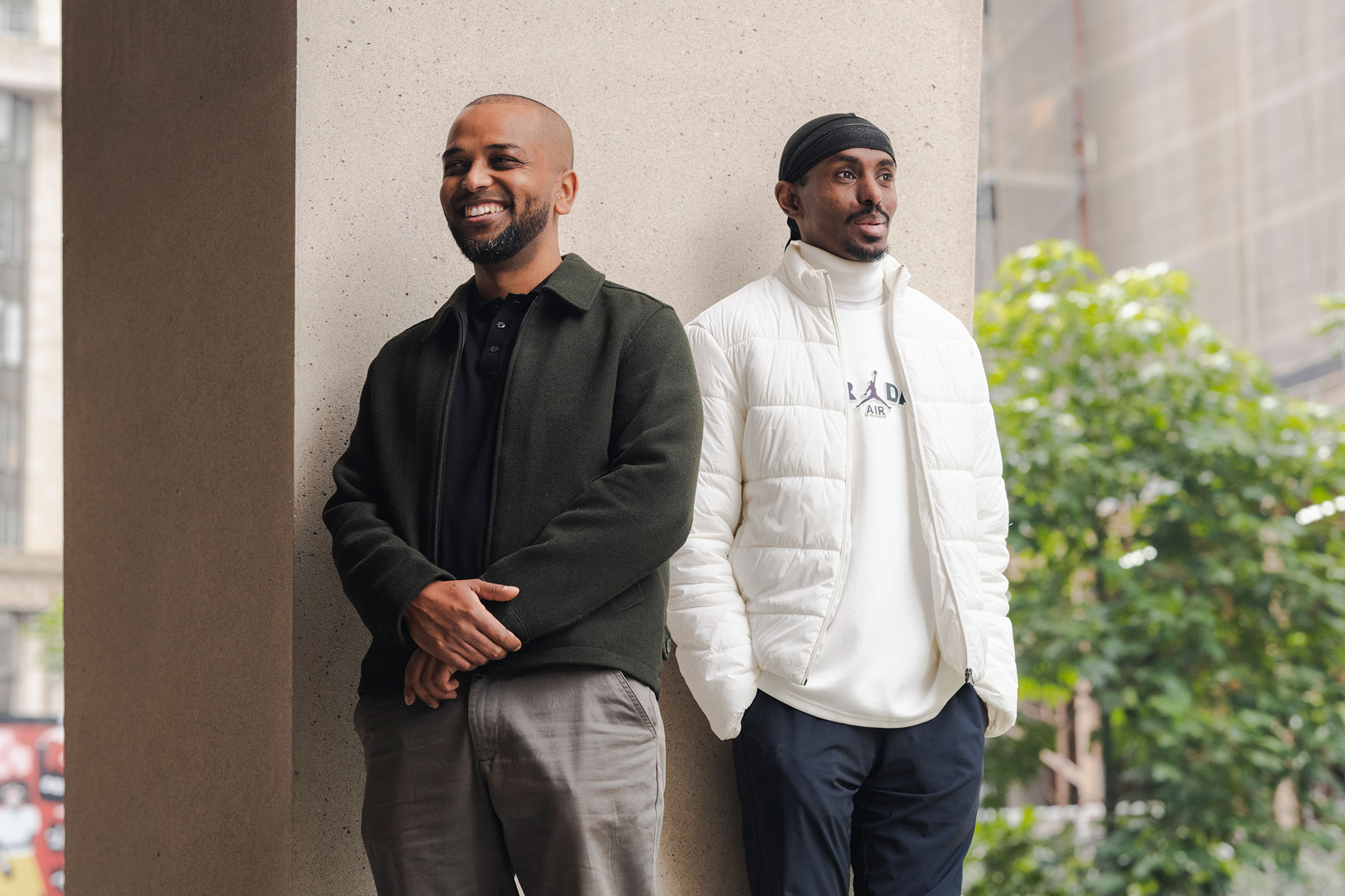
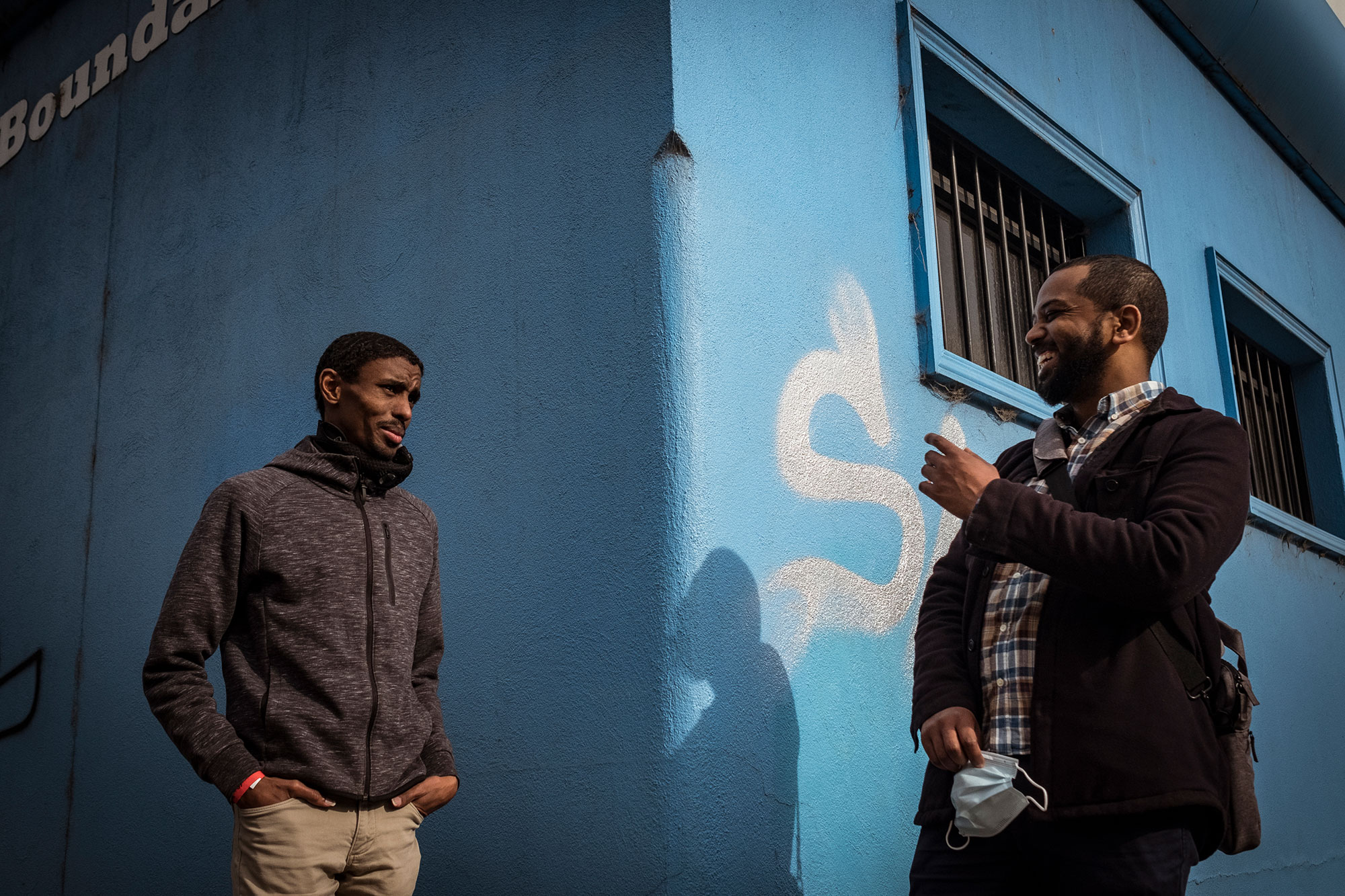
Ubuntu, I am ‘cause we are is Nor and Dini’s digital work which reflects on how the unique features of place and their family migration histories have informed their childhood experiences, memories and dedication to life-long work for their community.
‘As children, we never called our friends or made plans to go out and play, we simply went downstairs to the basketball court. There were always kids around, playing whatever was on TV: soccer, basketball, footy, tennis even cricket. We didn’t have a best friend or a small group of friends, everybody was there and everybody was welcome.’
Ahmed Dini and Nor Shanino’s families migrated to Melbourne when they were young children. Nor and Ahmed grew up in the public housing towers in Flemington and North Melbourne, an experience that has fuelled their work in establishing Ubuntu Project, an organisation which works for the benefit and strength building of their communities.
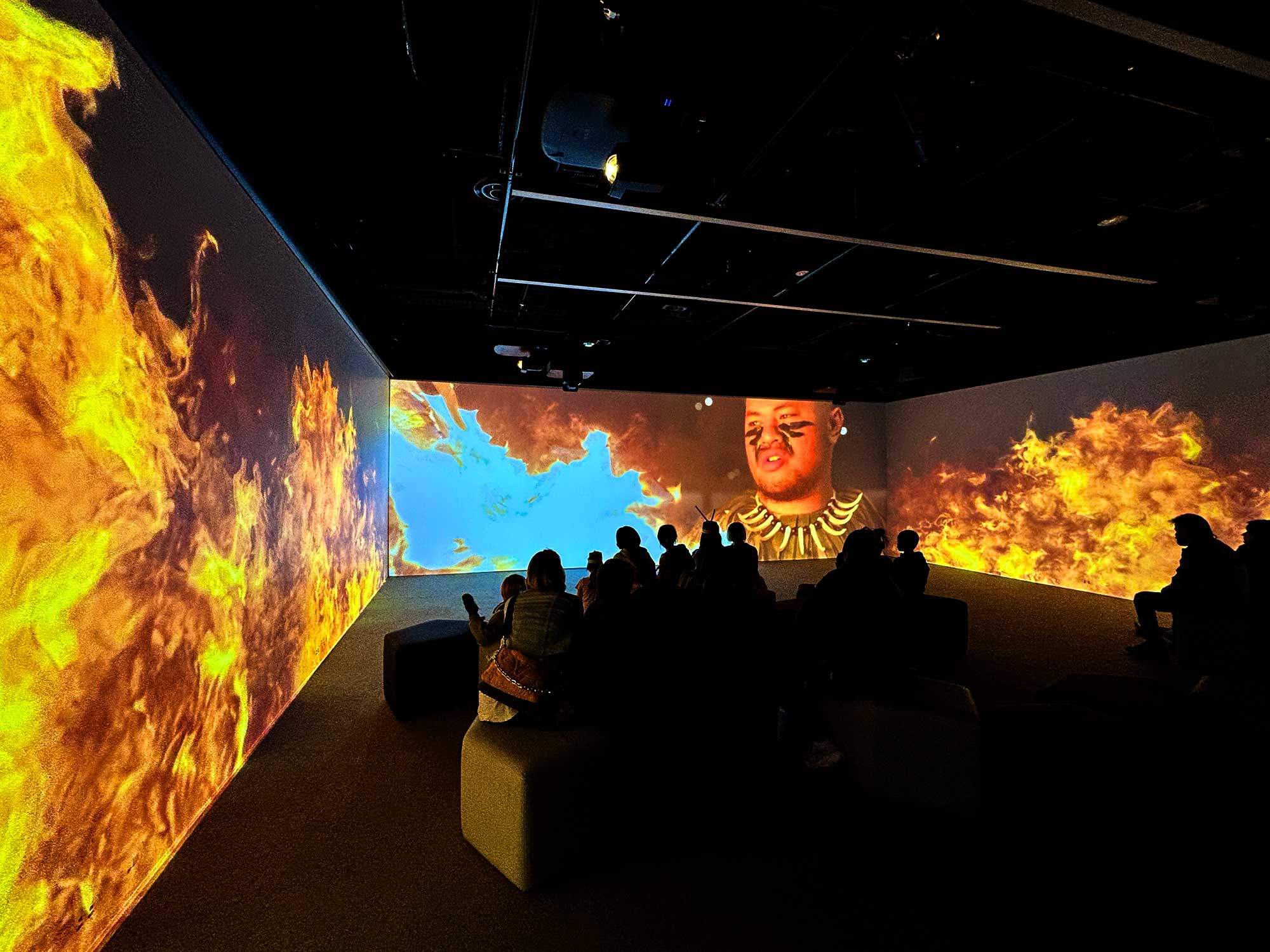
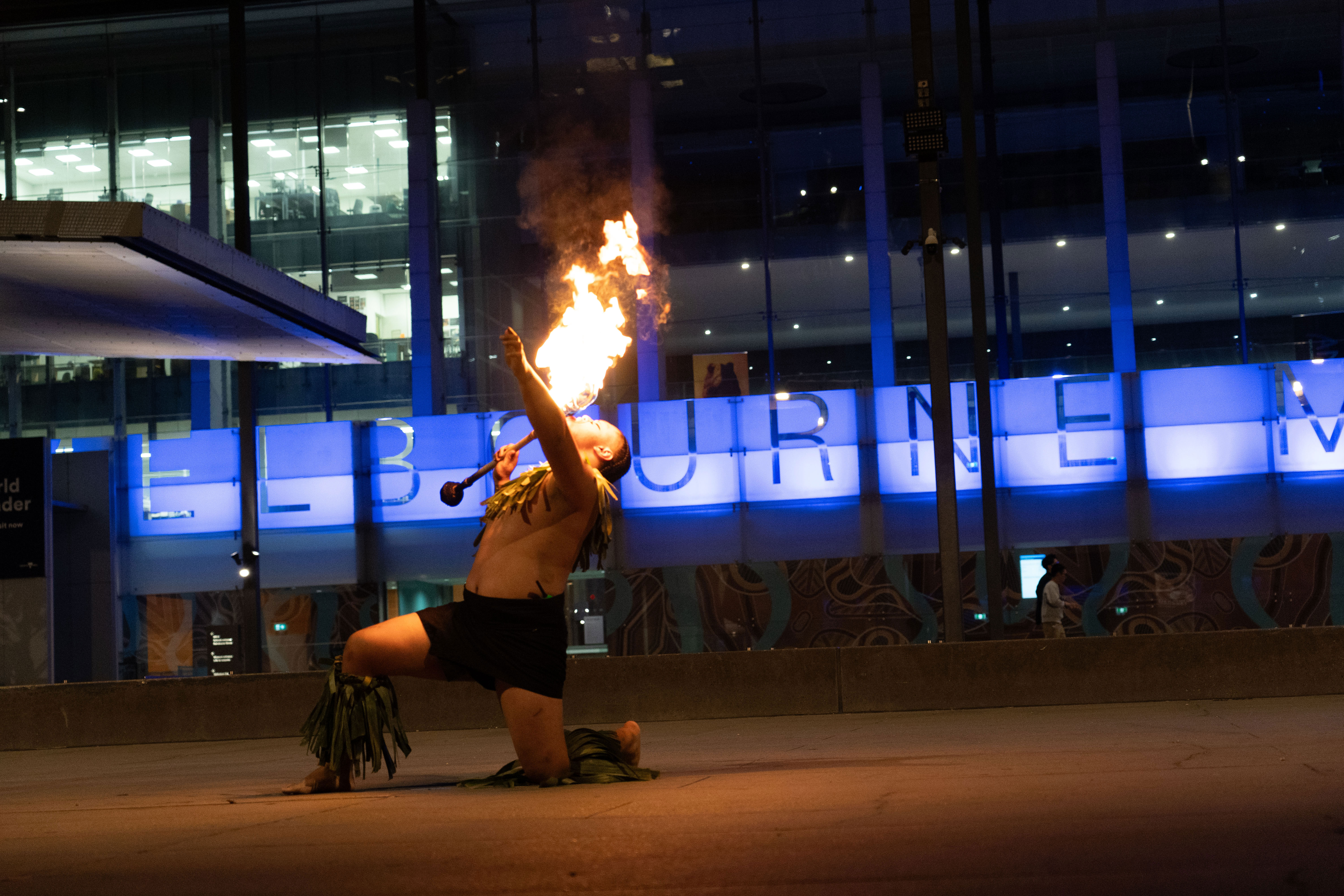
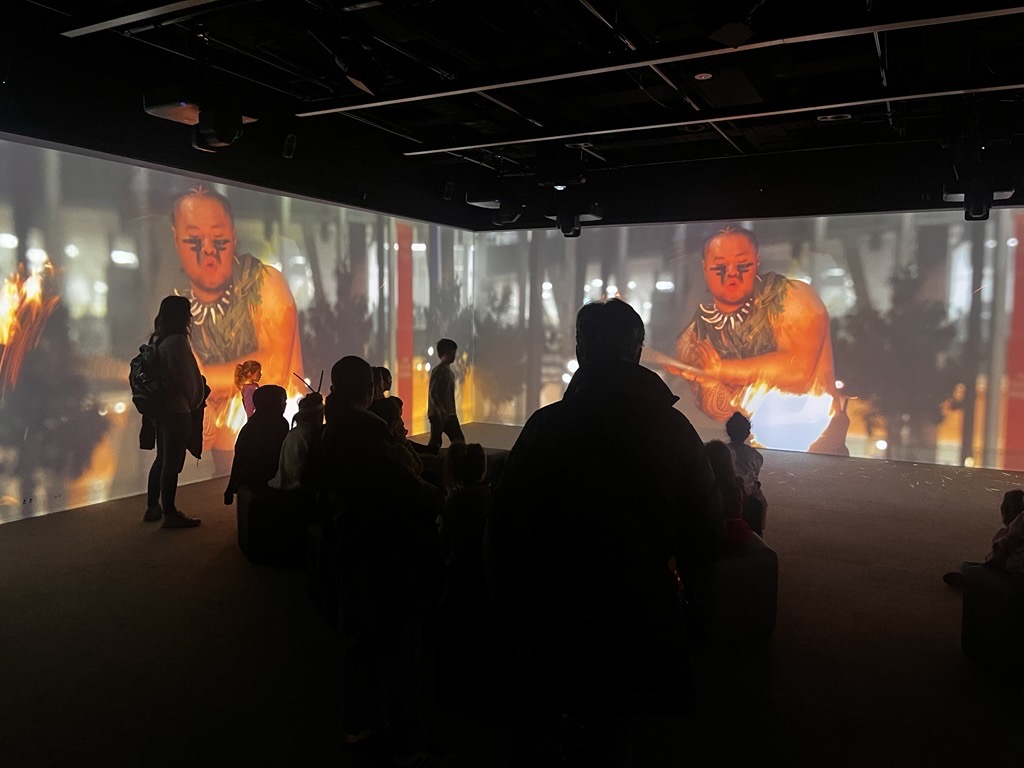
Logan Tapuala: Afi: Rise through flame
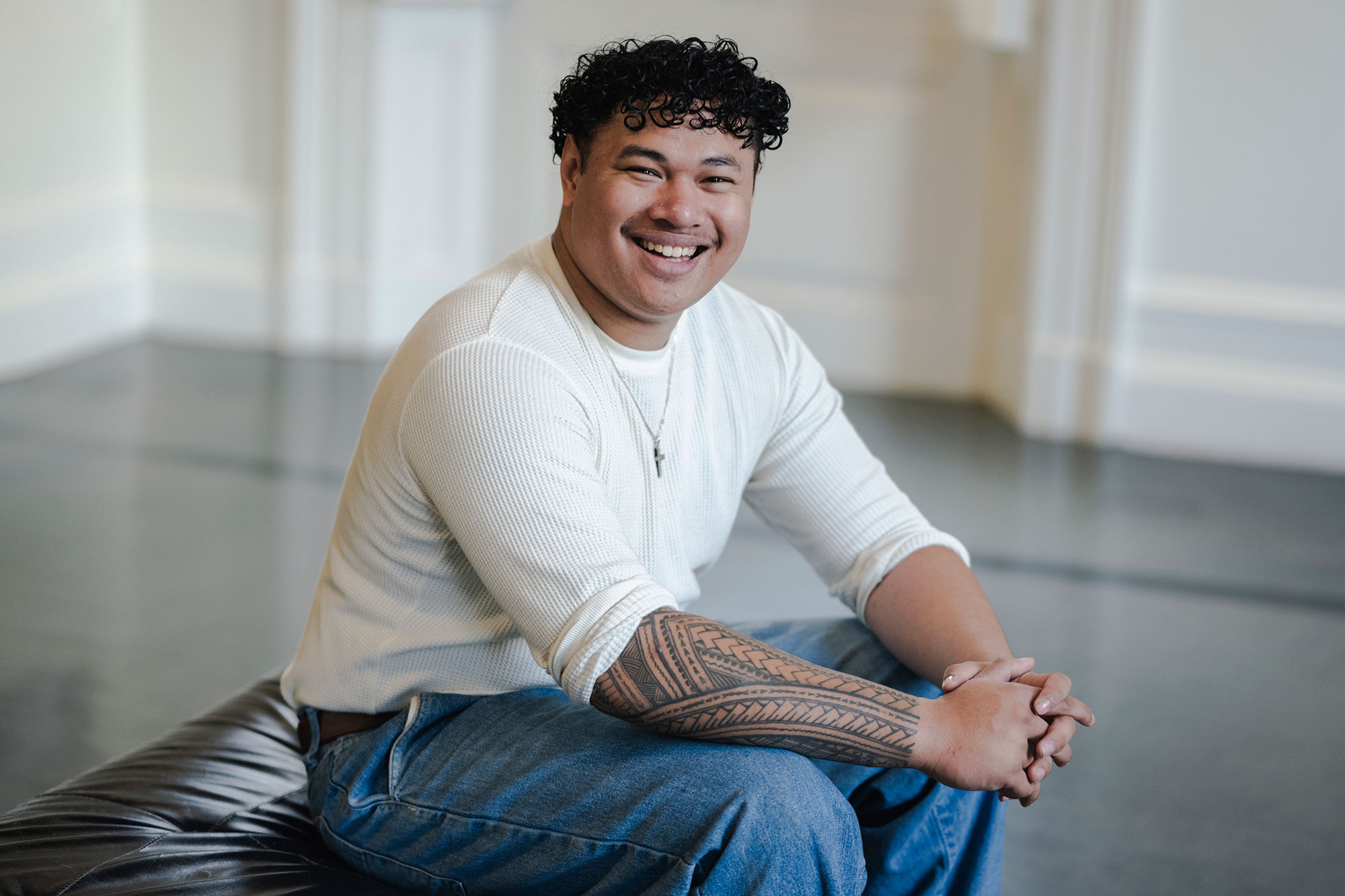
Logan’s digital work is dedicated to Siva Afi and the transformational power it has on life.
‘I have two homes: Sāmoa and Australia. It was not always easy finding the balance between living in one and staying connected to the other. I grew up with my cousins, speaking Samoan, going to the beach on the weekends and eating Samoan food. I moved back to Melbourne and my life changed. I began losing my Samoan language, eating junk food and gaming. I felt something was missing and I didn’t know what.’
Then I signed up to learn Siva Afi.’
Logan Tapuala was born in Melbourne but grew up in Sāmoa where his love of Siva Afi, traditional Samoan fire dance, began. After moving back to Australia, Siva Afi helped him to form his identity as a Samoan Australian. He hopes that through performing and teaching Siva Afi he can help others to build their confidence and discipline and feel a connection with Samoan culture.
Feifei Liao and Arti Shah: Return, Where?
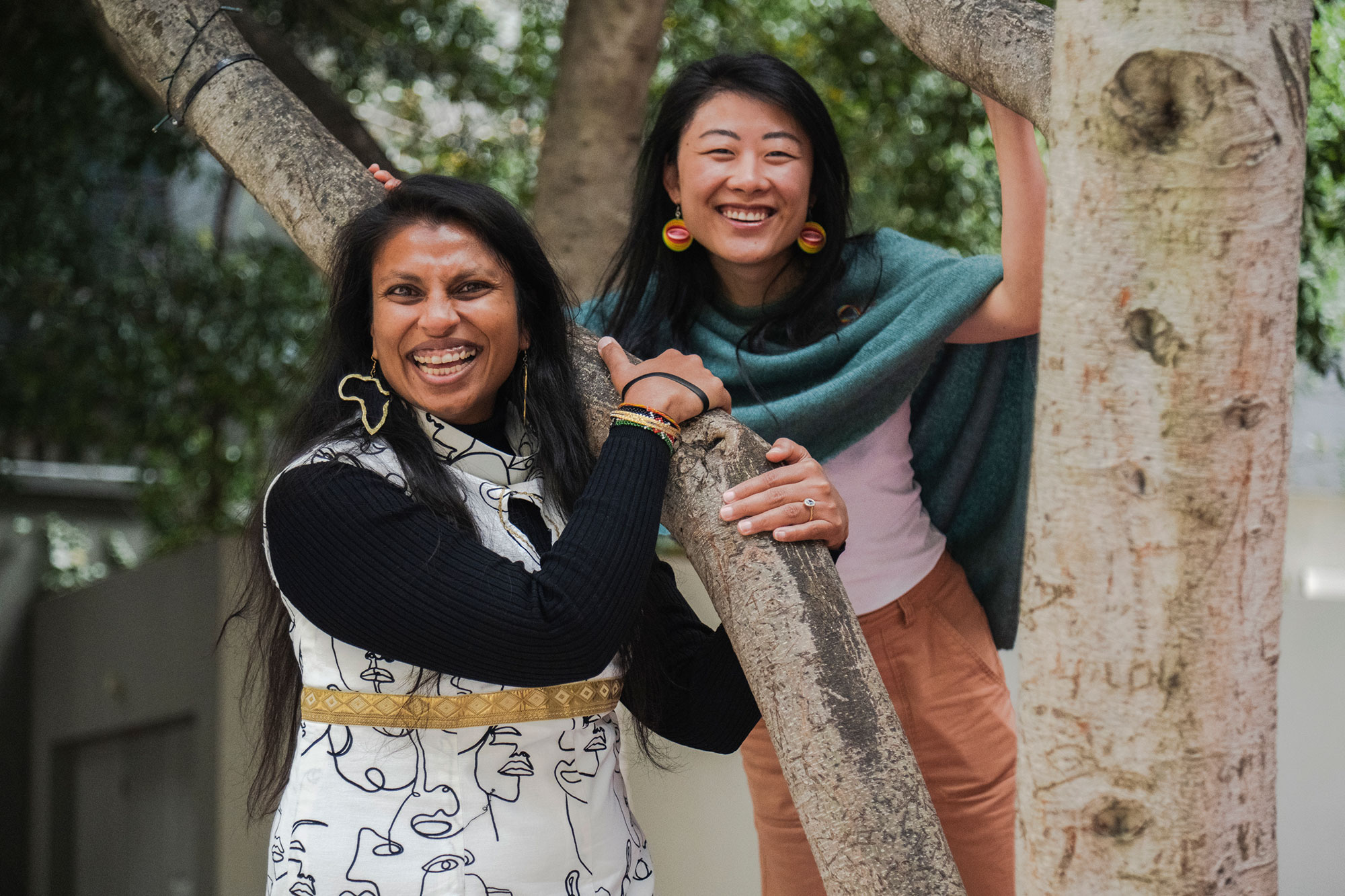
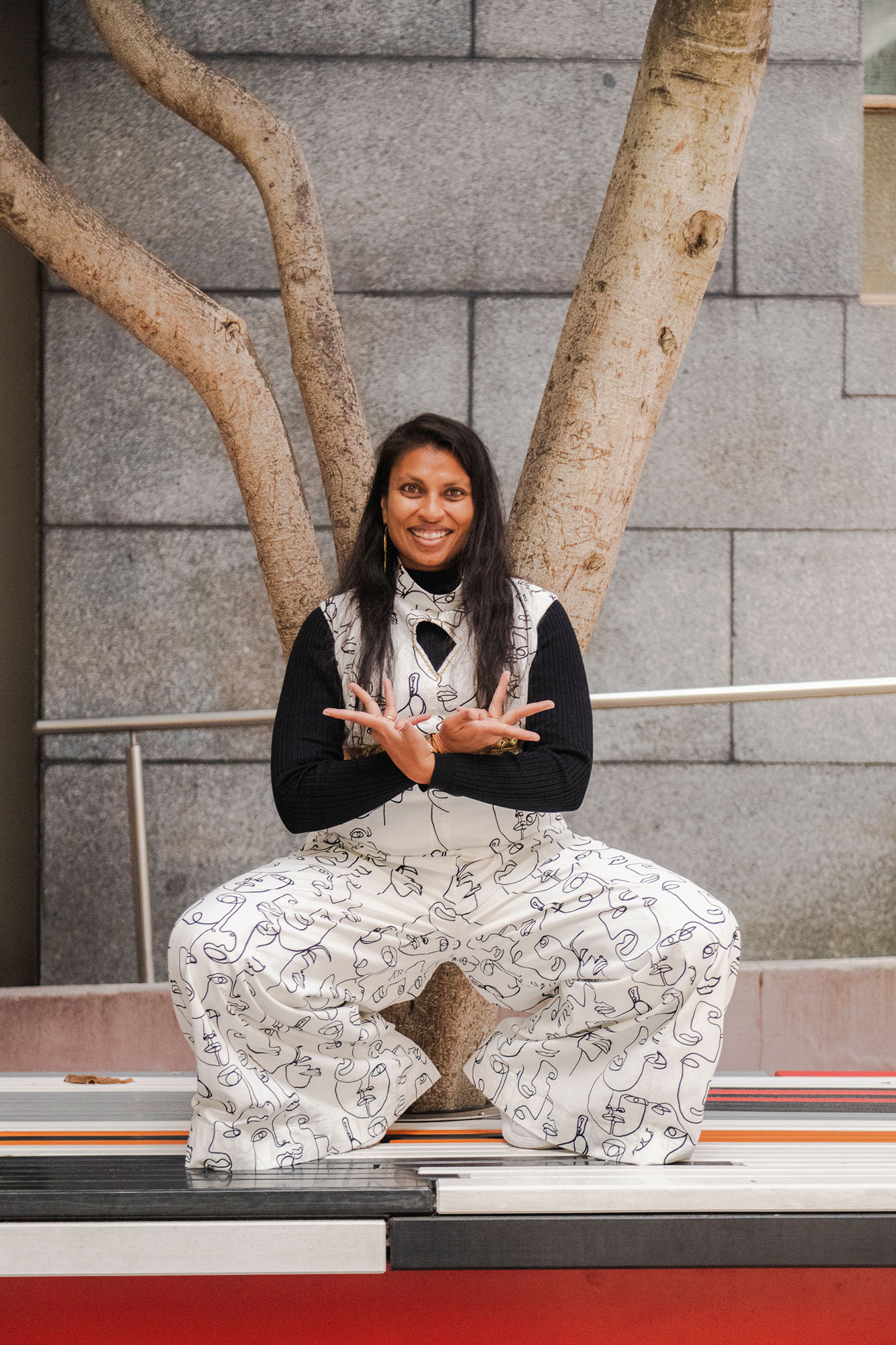
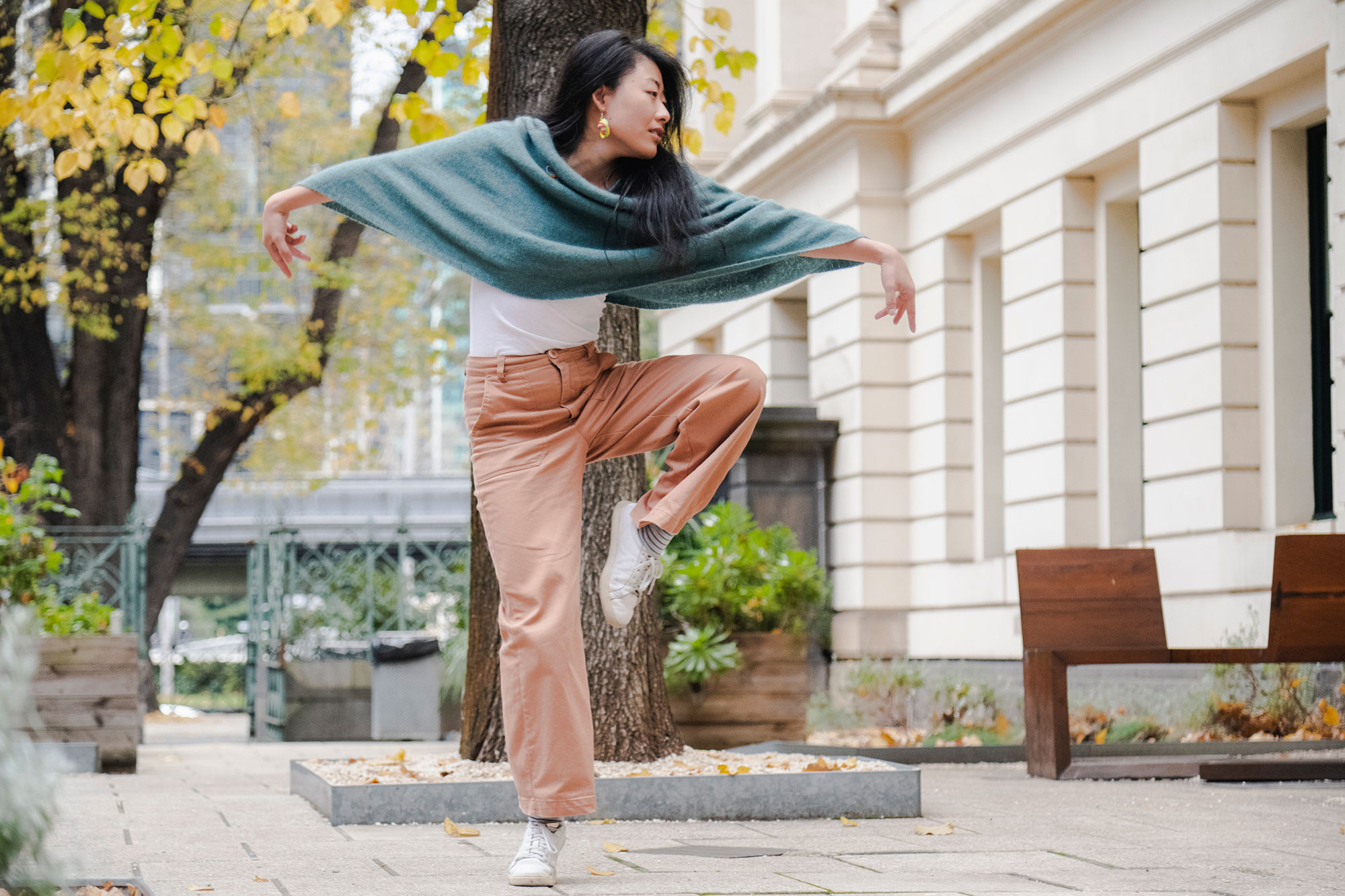
This digital work by Arti and Feifei explores concepts of home and belonging. ‘As former international students, we’ve lived in different times and places. Our friendship blossomed through the Beyond Identity series initiated by Feifei. We resonated with each other’s feelings of loss and sense of belonging. One day, we too will return to the land and nature. But our memories, feelings and stories will live on across time and continents, carried by new generations and celebrated in shared meals, festivals and moments of connection.’
Arti Shah is Kenyan by birth, Gujarati Indian by ethnicity and Australian by naturalisation. Her artistry lies in unravelling and understanding narratives through poetry, line art and storytelling. She draws upon her own experiences, reflections and connections with others.
Feifei Liao was born and raised in Sichuan, China, and originally migrated to Melbourne to study. Feifei is the founder of a social enterprise dedicated to bringing diverse communities together through shared experiences, while championing LGBTQIA+ and equity.
Season Four
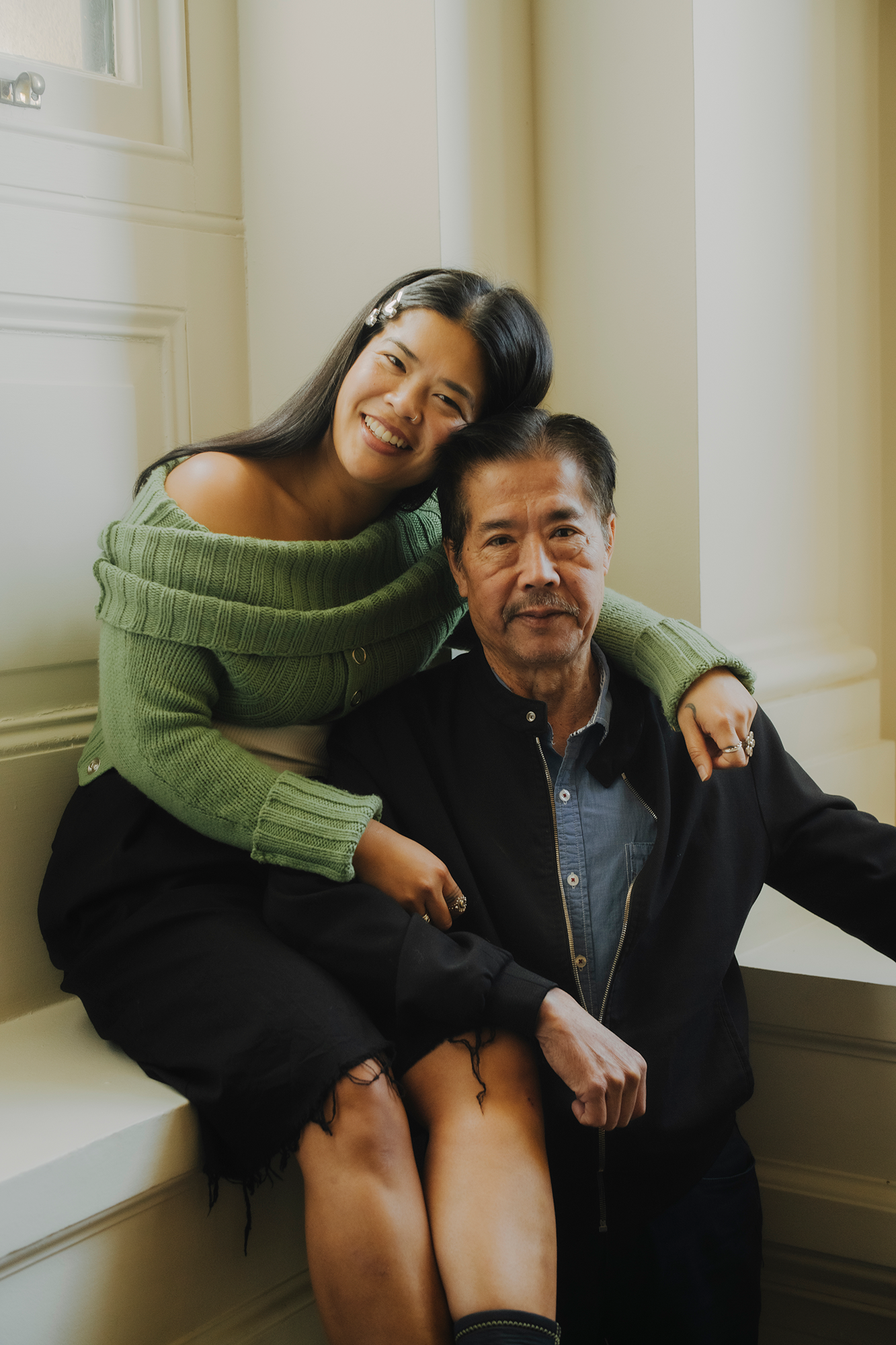
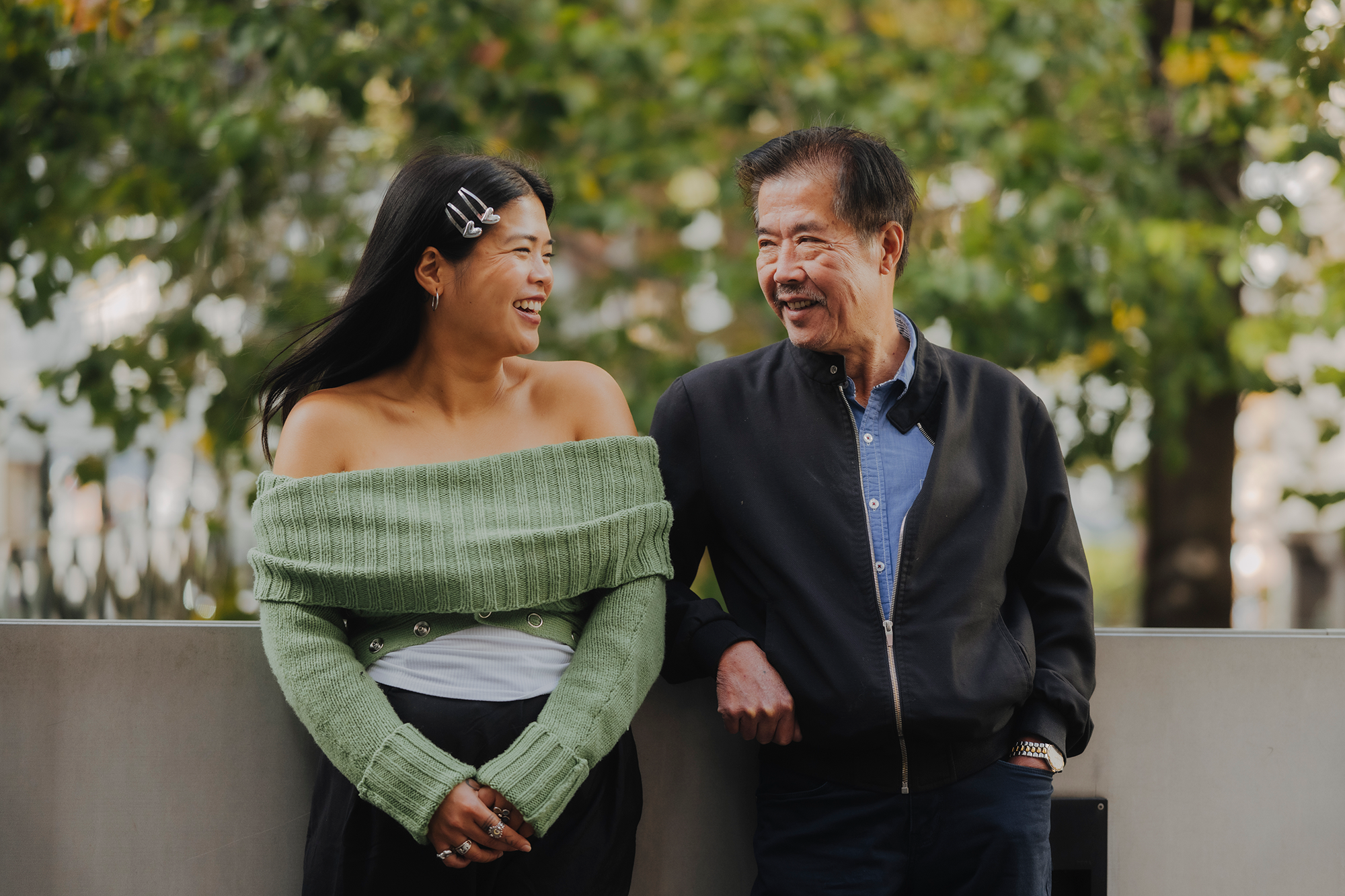
Thang Van Pham & Pauline Pham: A Second Life
Melbourne Museum
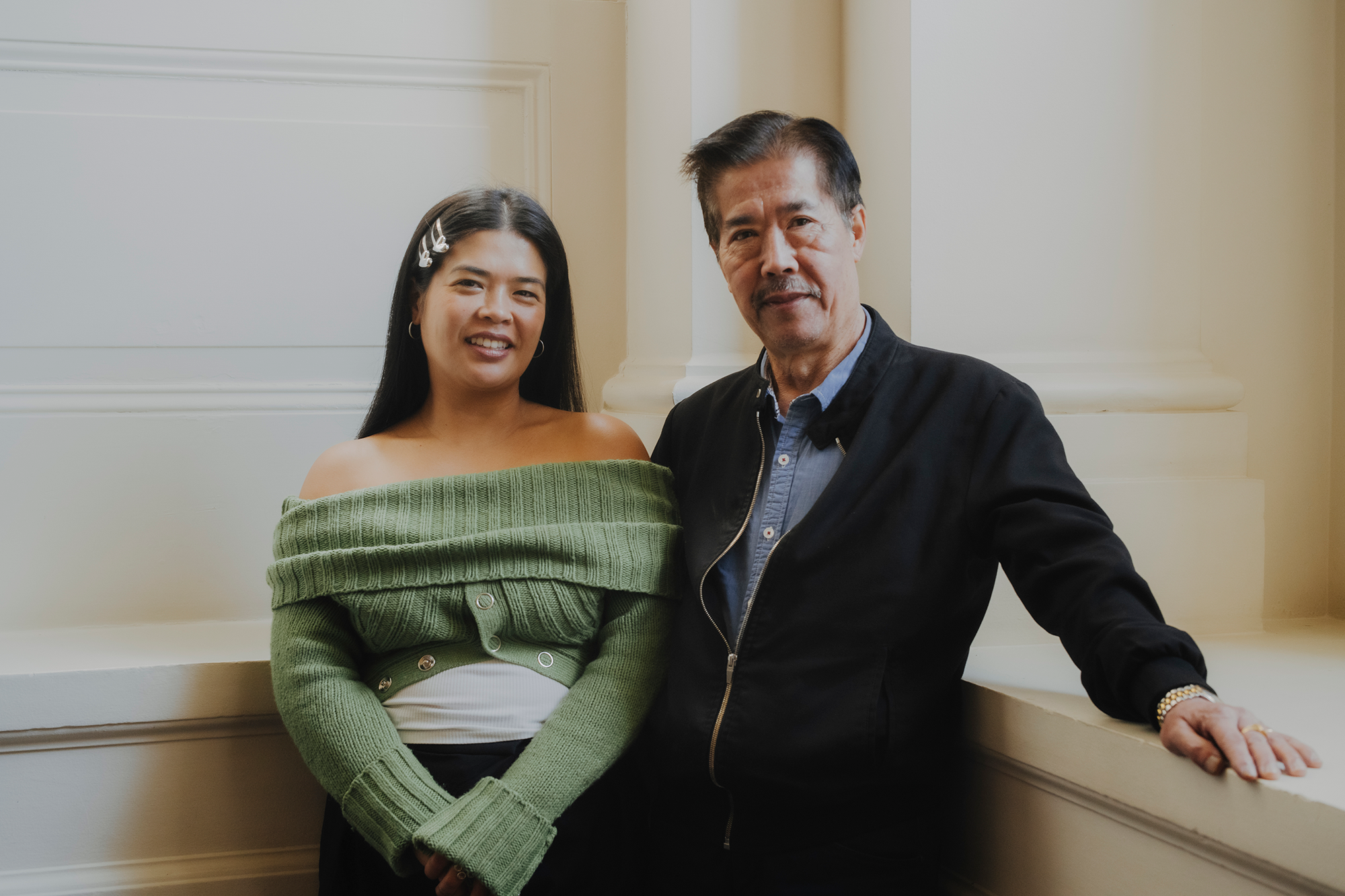
A Second Life is an intergenerational reflection on what has passed.
Having navigated very different Vietnamese Australian identities, Thang and Pauline share the experience of creating culture from a fractured sense of self, whilst existing in places that never quite felt like home.
Our film bounds two generations of perspective, merging memory with archival imagery and footage captured on a recent trip to the motherland. It is created from conflicting worlds, a blend of half mastered tongues, and an act of love and preservation of our family story.
Thang Van Pham and Pauline Pham are a father and daughter from the Western suburbs of Melbourne. Thang came to Australia as a 21-year-old refugee of the Vietnam War in 1981 with his three younger brothers. Over the last four decades, he has become a husband and father, contributing to shaping modern Australian society. As a storyteller, he preserves family history through poetry.
Pauline is a mixed media artist and community worker. Her practice is inspired by themes of cultural identity and societal expansion and meditation of the present moment.
Our voices echo everyone who came before us.
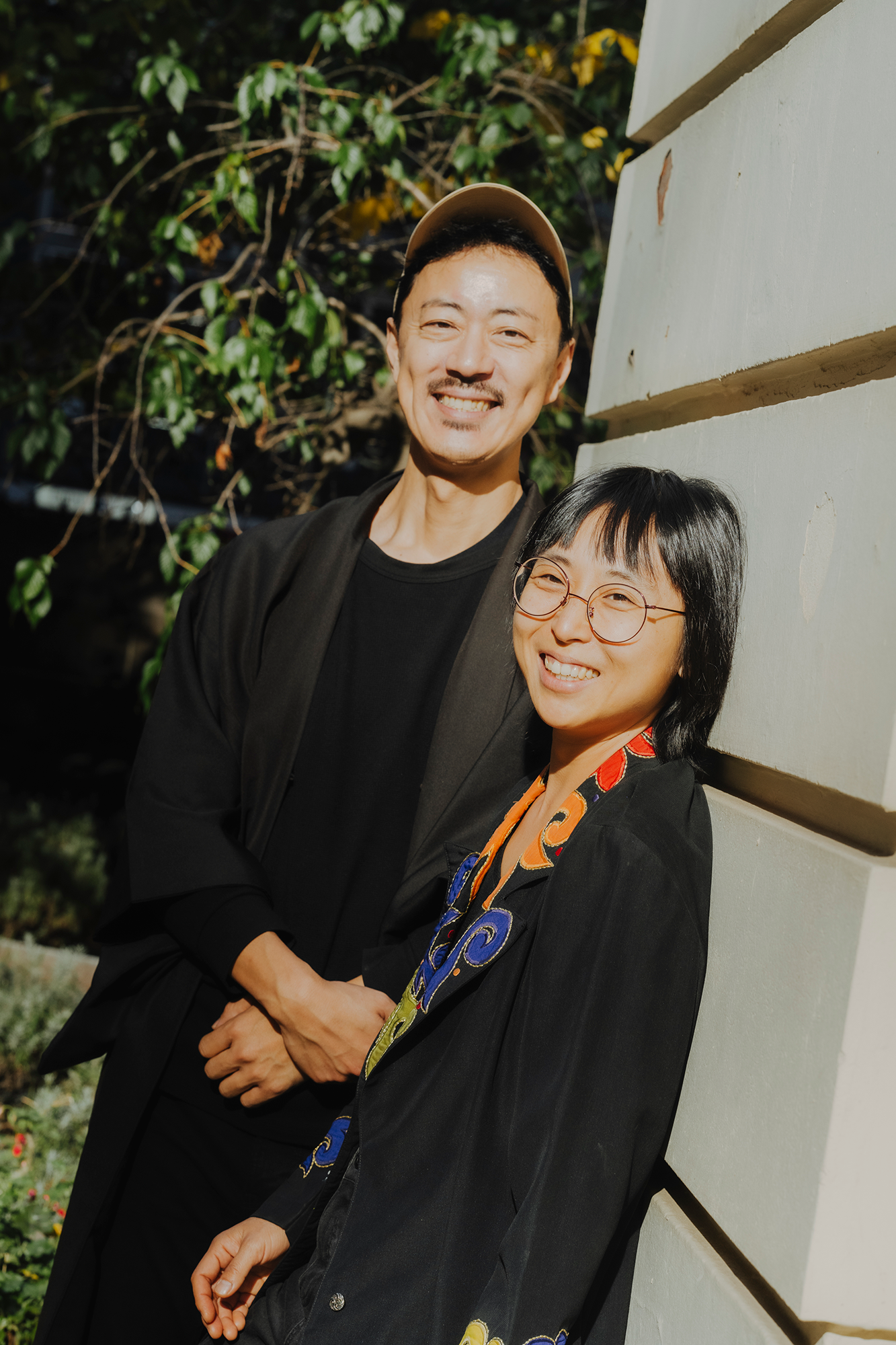
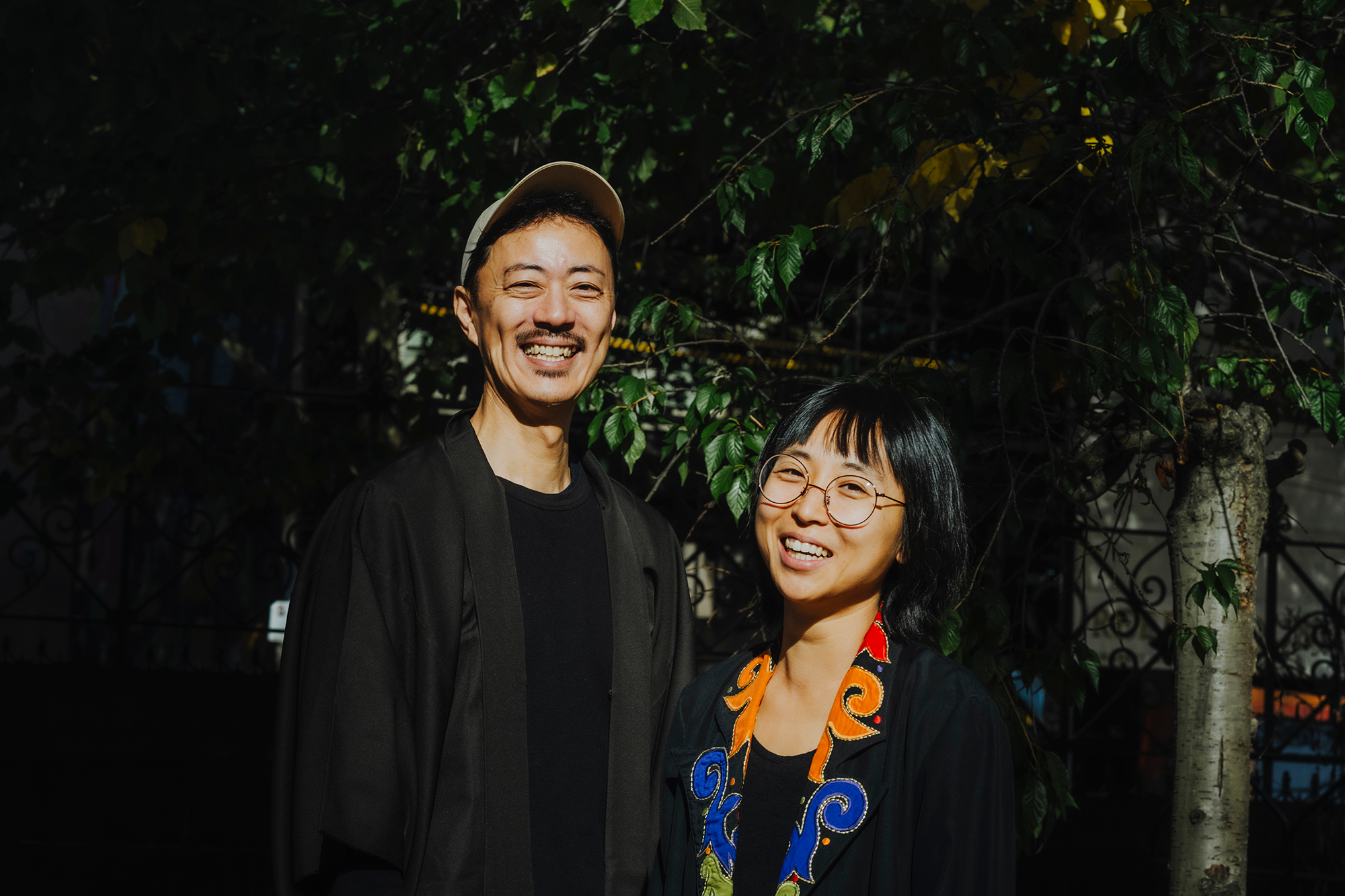
Youbi Lee & Taka Takiguchi: 20 years later
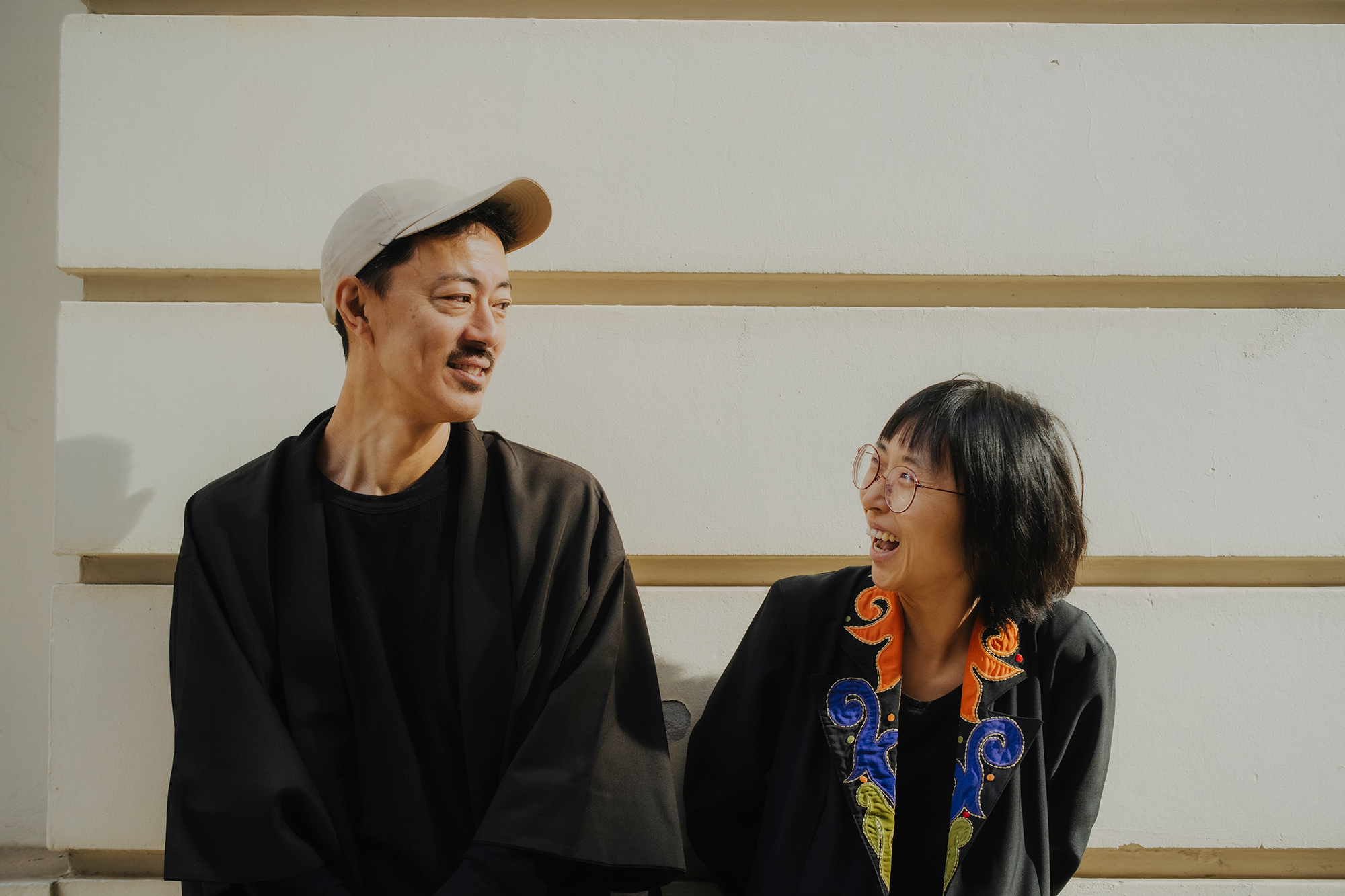
Since 2021, Youbi and Taka have collaborated on Obang, the award nominated theatre for babies, and their new shadow puppetry show for kids, Kiki and Zuki, is currently touring through Victoria.
We created ‘20 years later’ with shadow puppets, tracing our journeys and rites of passage as migrants in Australia. The story begins with the character Matsu, known as Jack, arriving by train at Spencer Street Station, heart pounding, uncertain, yet hopeful.
Each scene was developed through a reflective process undertaken during the early stages of our creation: the lively streets of Brunswick, the sting of alienation, the ongoing search for identity, the citizenship ceremony, a deepening appreciation of First Peoples culture and history, and the everyday realities of a multicultural society - leading to the final scene, where we are creating this work in the studio, 20 years later.
Through this work, we wish to acknowledge all the migrants who paved the way before us and contributed to shaping Australia into what it is today.
Youbi Lee (이유비) is a Korean-heritage multidisciplinary artist based in Naarm/ Melbourne. She works in installation, performance, animation, puppetry and facilitation, making large-scale collaborative arts projects with communities, councils and festivals.
Taka Takiguchi (滝口貴) is a Naarm/ Melbourne-based independent artist and producer of Japanese (Hiroshima) heritage. His work delves into personal narratives, memory, time, and cultural identity, exploring these themes through poetry, scriptwriting and movement practices.
Yo Soy Collective: NOSOTRXS SOMOS
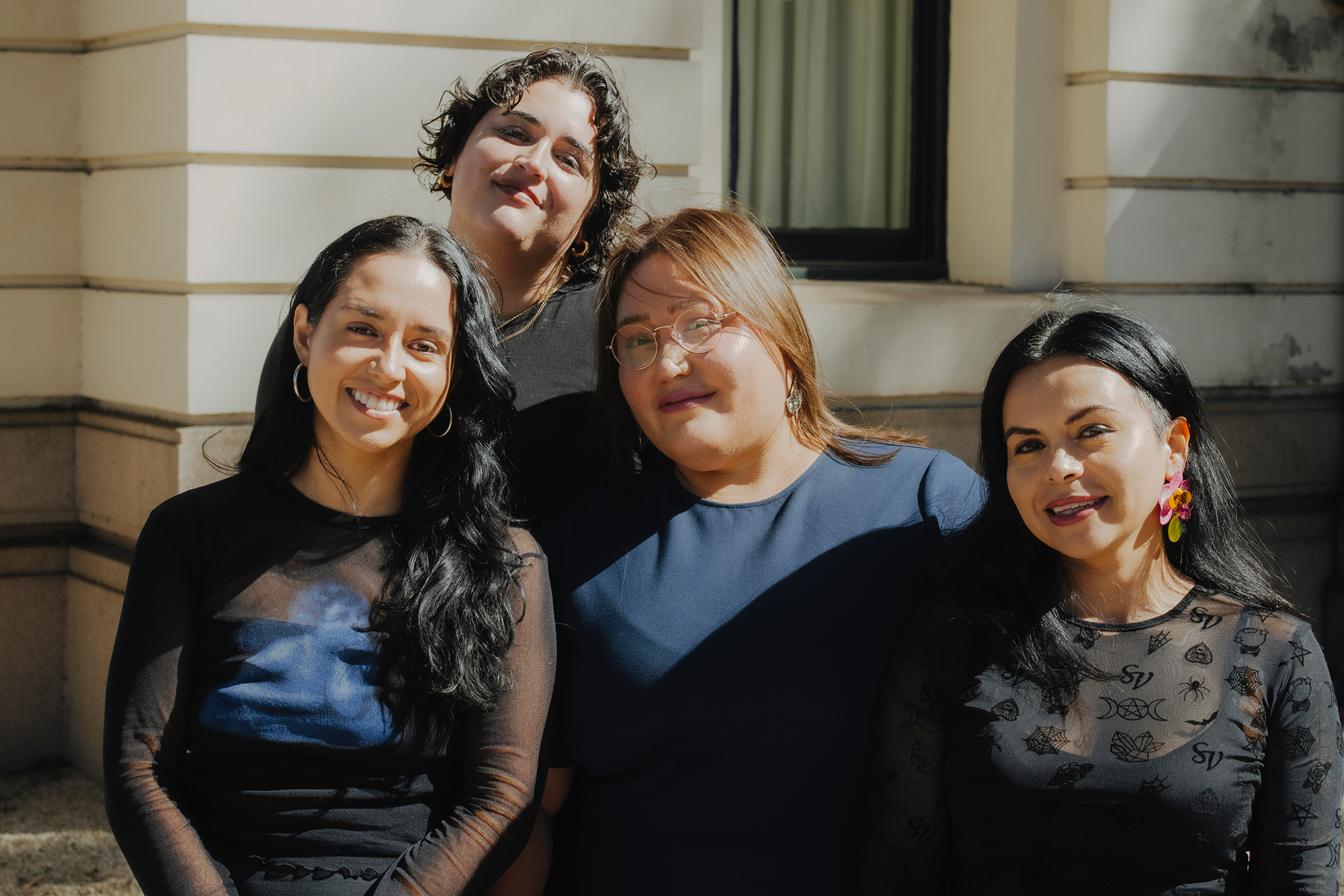
The story of Yo Soy Collective is the story of the Melbourne Latinx community. There are nearly 48,000 people with Latin American heritage living in Victoria. Across this hugely diverse diaspora, the art of gathering - of connecting with community, culture, and creativity – is a shared practice vital to building and maintaining a strong sense of identity and fostering social connections.
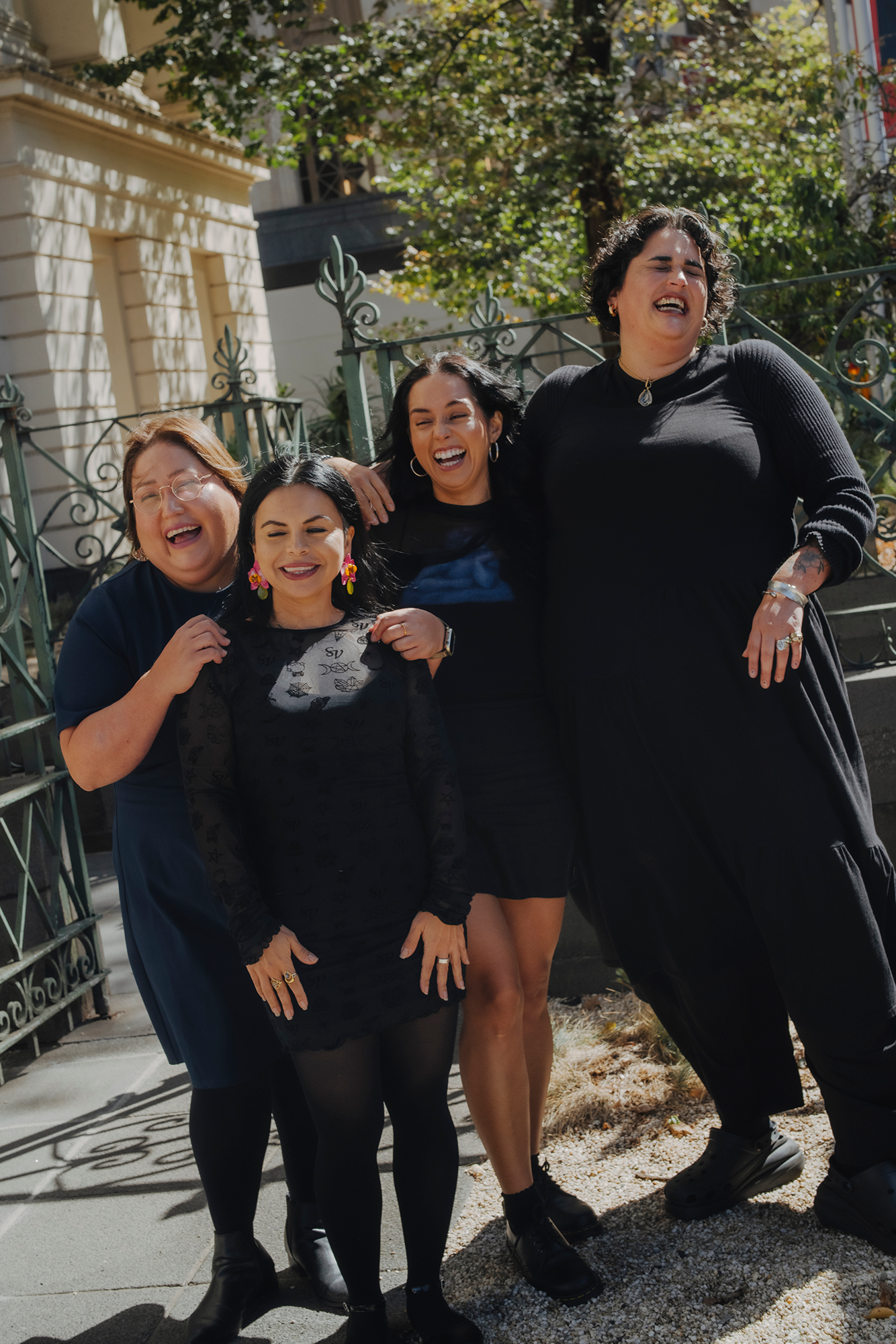
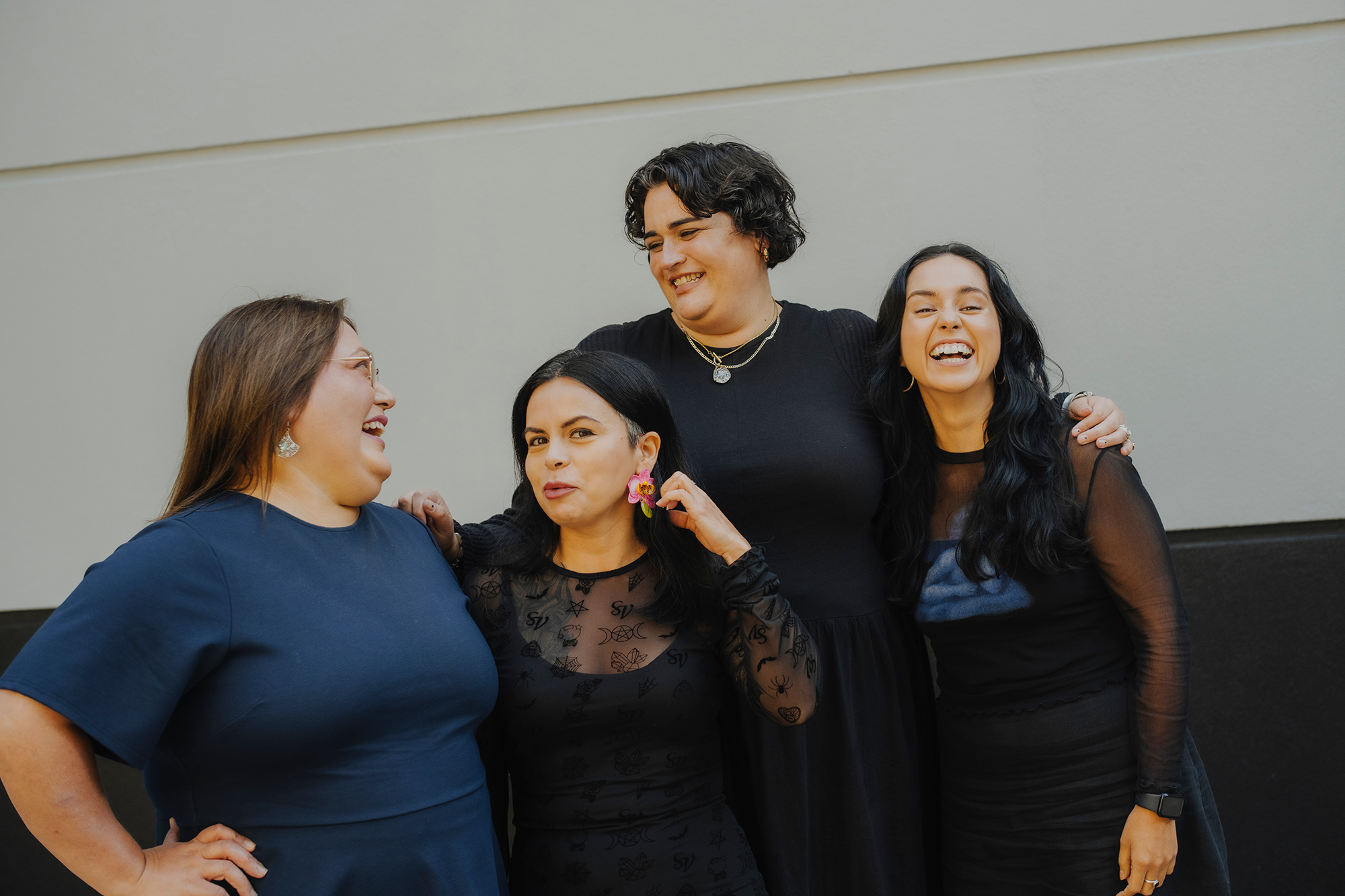
In this film, we meet Yo Soy Collective, a Latinx arts collective based in Melbourne. Established in 2018, Yo Soy actively advocates for Latinx artists in Australia. Viewers are welcomed into the home and to the dinner table, to learn about the complex cultural challenges and vibrant experiences of growing up Latinx in Australia and the significance of coming together in collective art spaces.