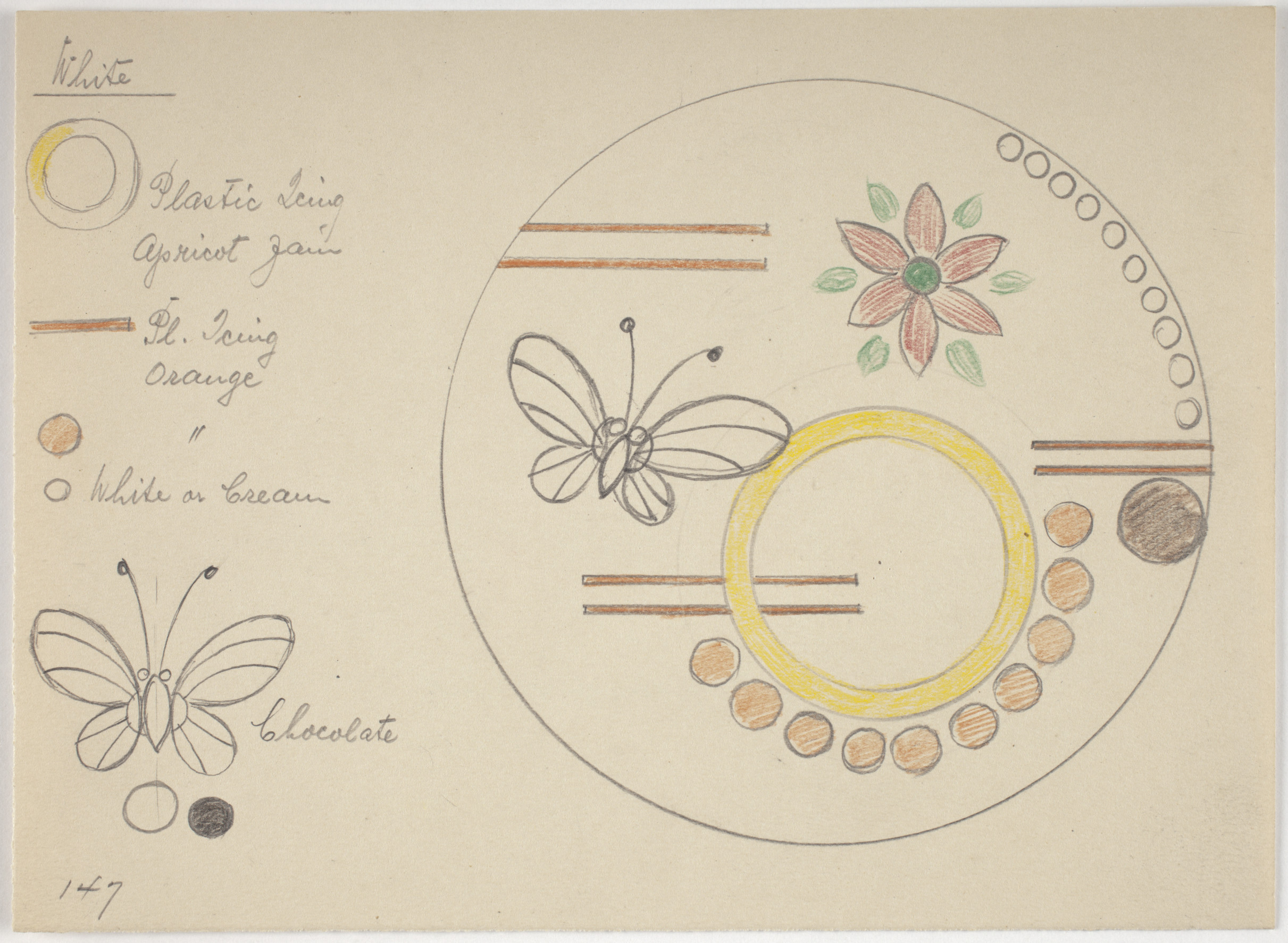
Karl Muffler came to Australia to work as a pastry chef. He never expected to find himself decorating cakes behind barbed wire.
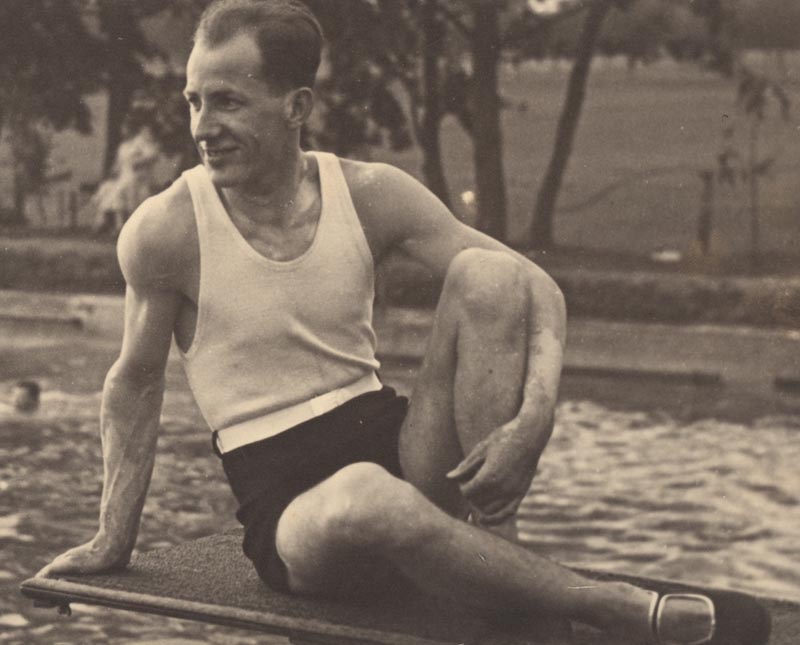
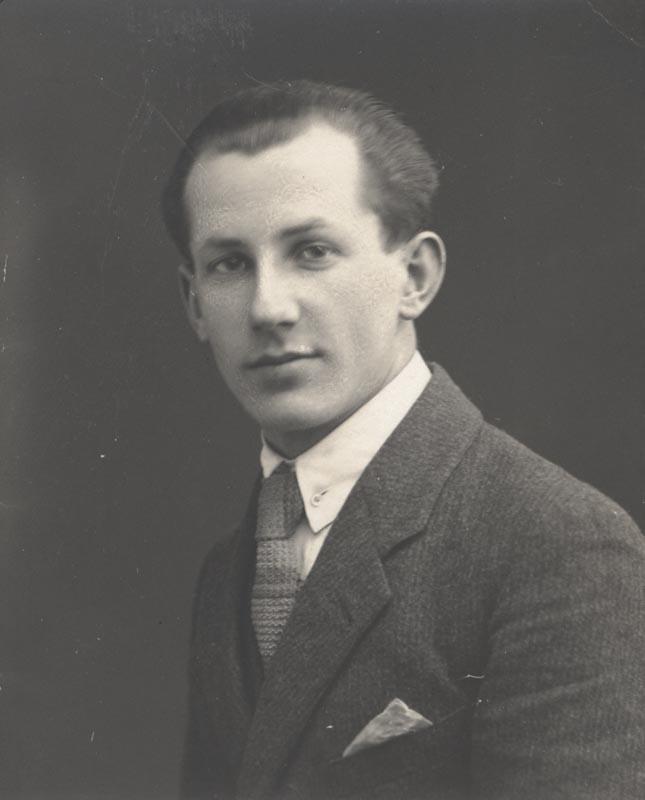
Karl Friedrich Muffler was born in 1900 in south-west Germany. As a teenager, he decided to pursue a career in confectionery craft.
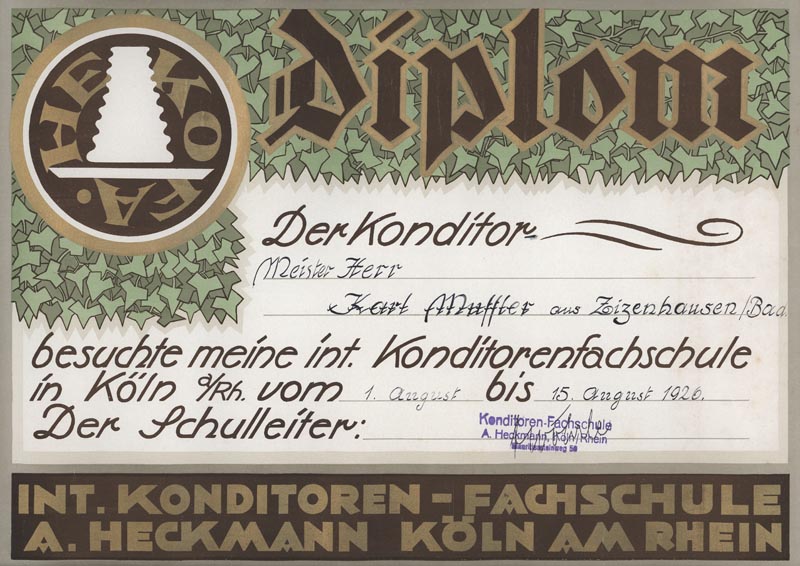
After completing his qualifications, Karl worked for several firms in Germany, then travelled as a confectioner on a Spanish passenger liner.
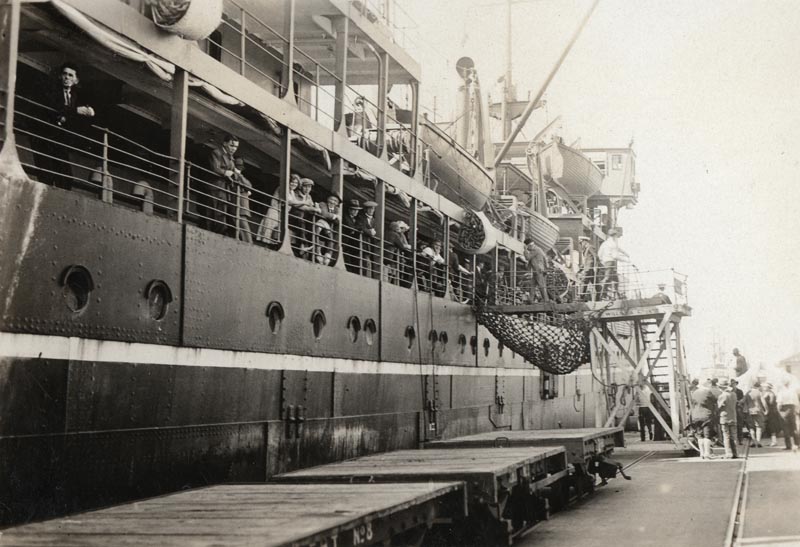
Around 1929, Karl met Bill Ikinger, a German-Australian citizen who was recruiting German pastry chefs for employment in Melbourne. Karl was attracted by the idea and, despite speaking little English, migrated to Australia under Ikinger's sponsorship in 1930.
Working life
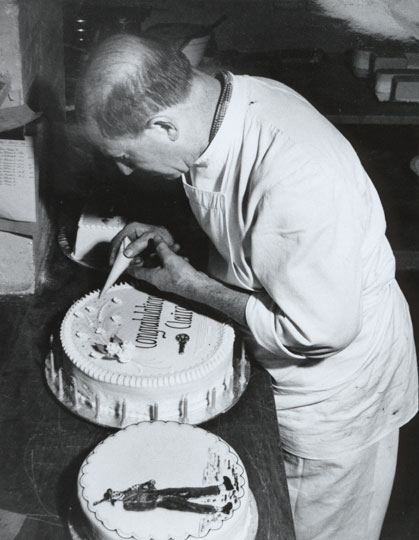
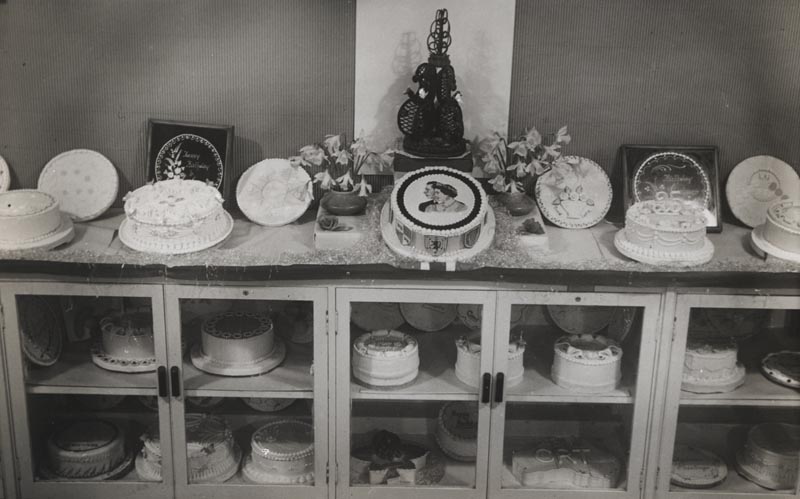
Karl worked in Melbourne at Ikinger's cake shop in Brunswick, then established his own business, the Embassy on Glenferrie Road, Malvern, in 1935. Karl was an innovative and artistic cake designer, introducing his customers to the 'Dolly Varden' cake (a novelty cake in the form of a full-skirted doll).
For three years he produced a vast range of decorated cakes and pastries, and kept meticulous business records. By 1939 he found running a small business too onerous and the Embassy was closed.
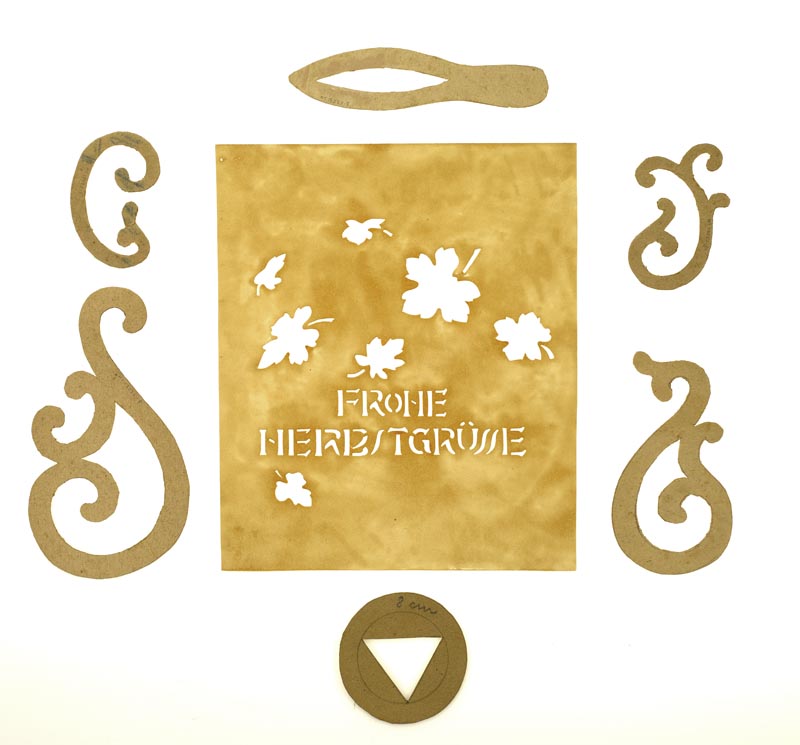
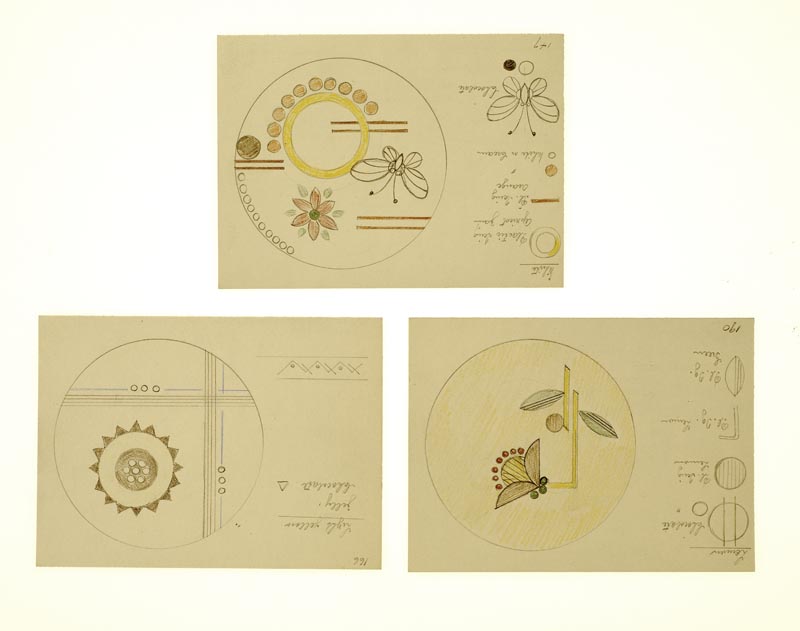
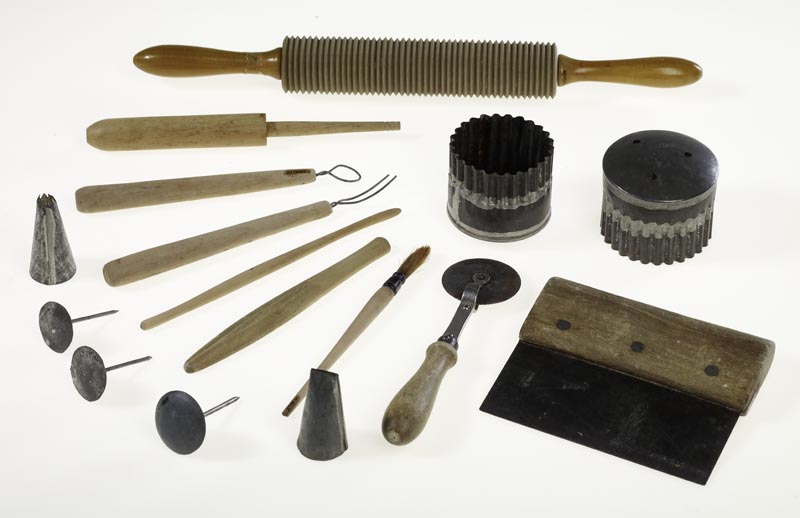
Karl Muffler knew from an early age that he wanted to work with cakes. By his seventeenth birthday, he had completed his apprenticeship in Germany and become a certified 'Konditor'.
He was well respected by his employers and later, the pastry fraternity in Australia.
Family life
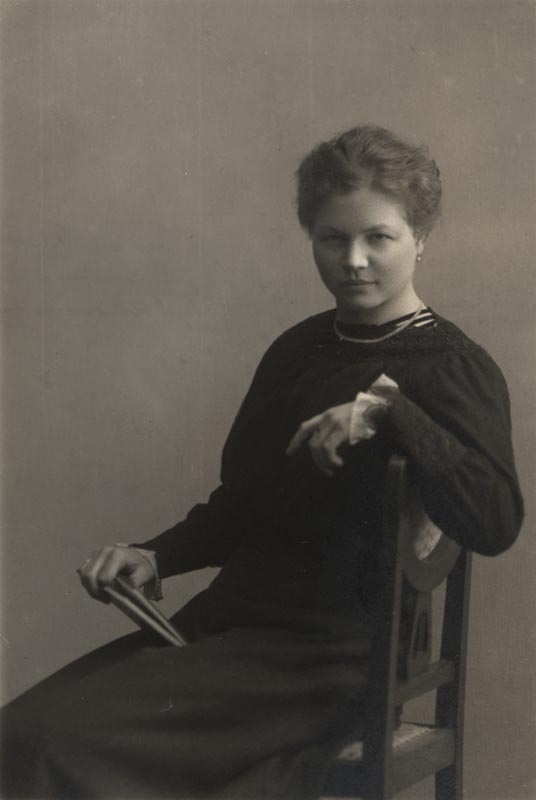
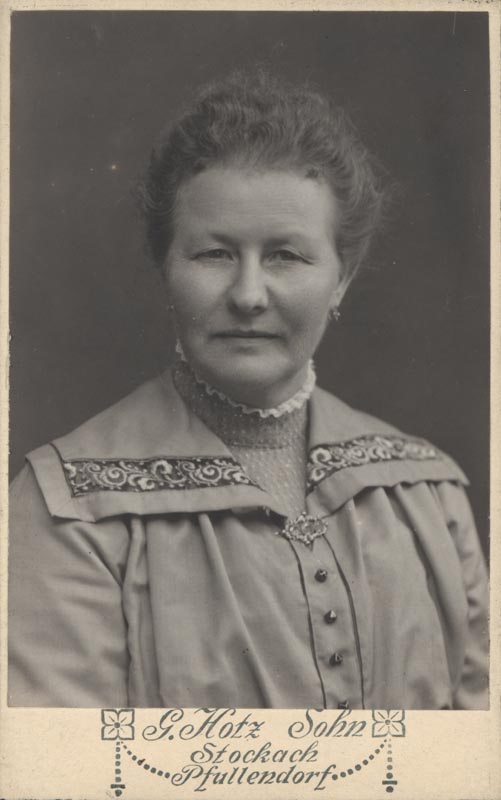
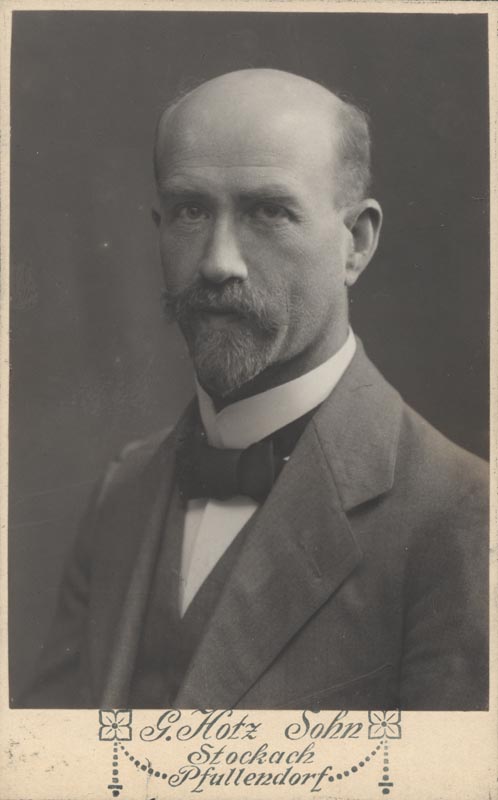
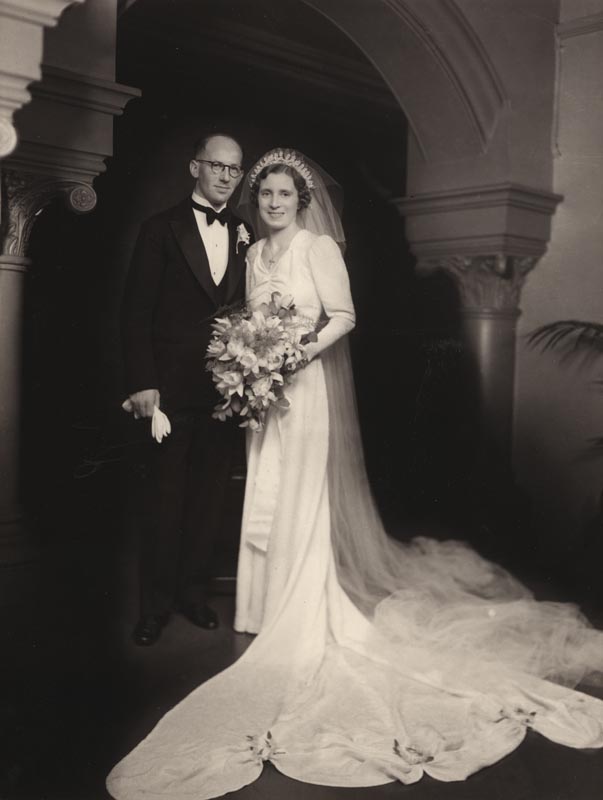
Karl Muffler established a new life in Melbourne when he migrated in 1930. He married Hilde Mayer in 1939 and their children were born after World War II.
Karl stayed in touch with his family in Germany, and his sister Maria wrote to him throughout the War.
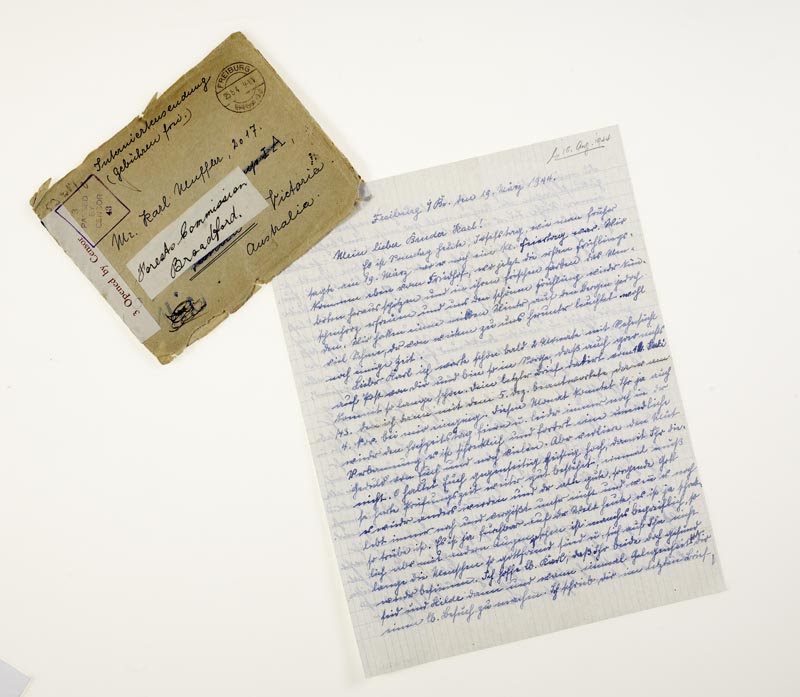
This letter is possibly the last Karl received from Maria, who was killed in the allied bombing of Freiburg in 1944.
Internment during World War II
In 1939, thousands of Australian residents like Karl Muffler suddenly found themselves identified as potential threats to Australia’s national security.
The outbreak of World War II triggered a mass fear of invasion by Germany and later Japan. This led to panic that tens of thousands of Australian residents might become saboteurs or spies.
Government regulations required 'enemy aliens' to register and limit their travel to between work and home and within a specified distance from the local post office. They had to obtain permission from the authorities to travel further or change residence.
The most dramatic response was the internment in camps of many German, Italian and Japanese residents – overseas and Australian-born, and naturalised British subjects. Australia interned about 7000 residents, including nationals from over 30 other countries, such as Finland, Hungary, Portugal and Russia.
Karl's internment
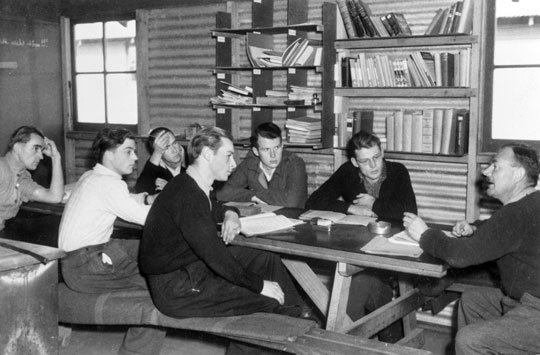
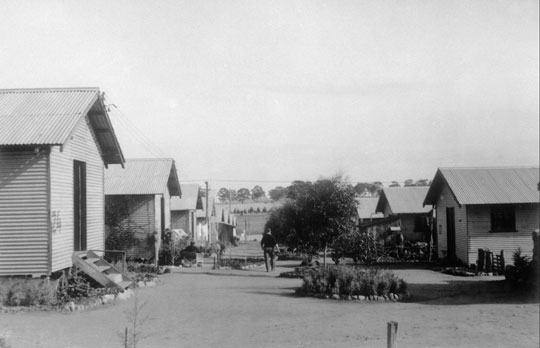
On 4th September 1939, Karl was detained as an enemy alien, along with dozens of other German residents in Victoria.
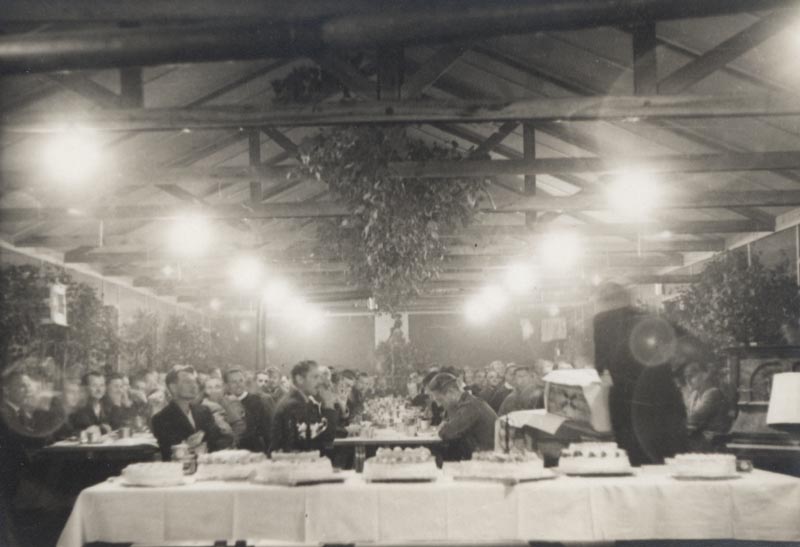
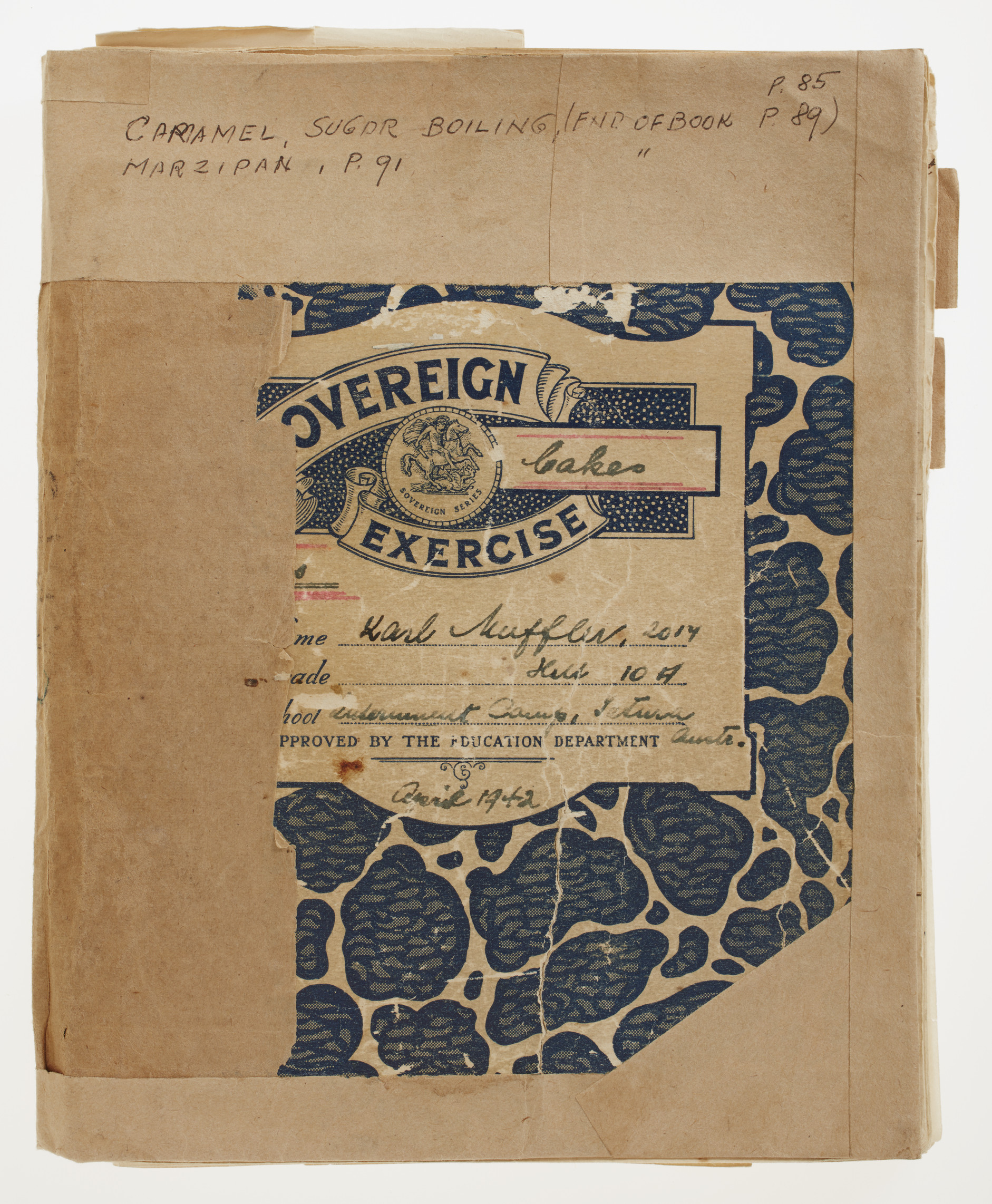
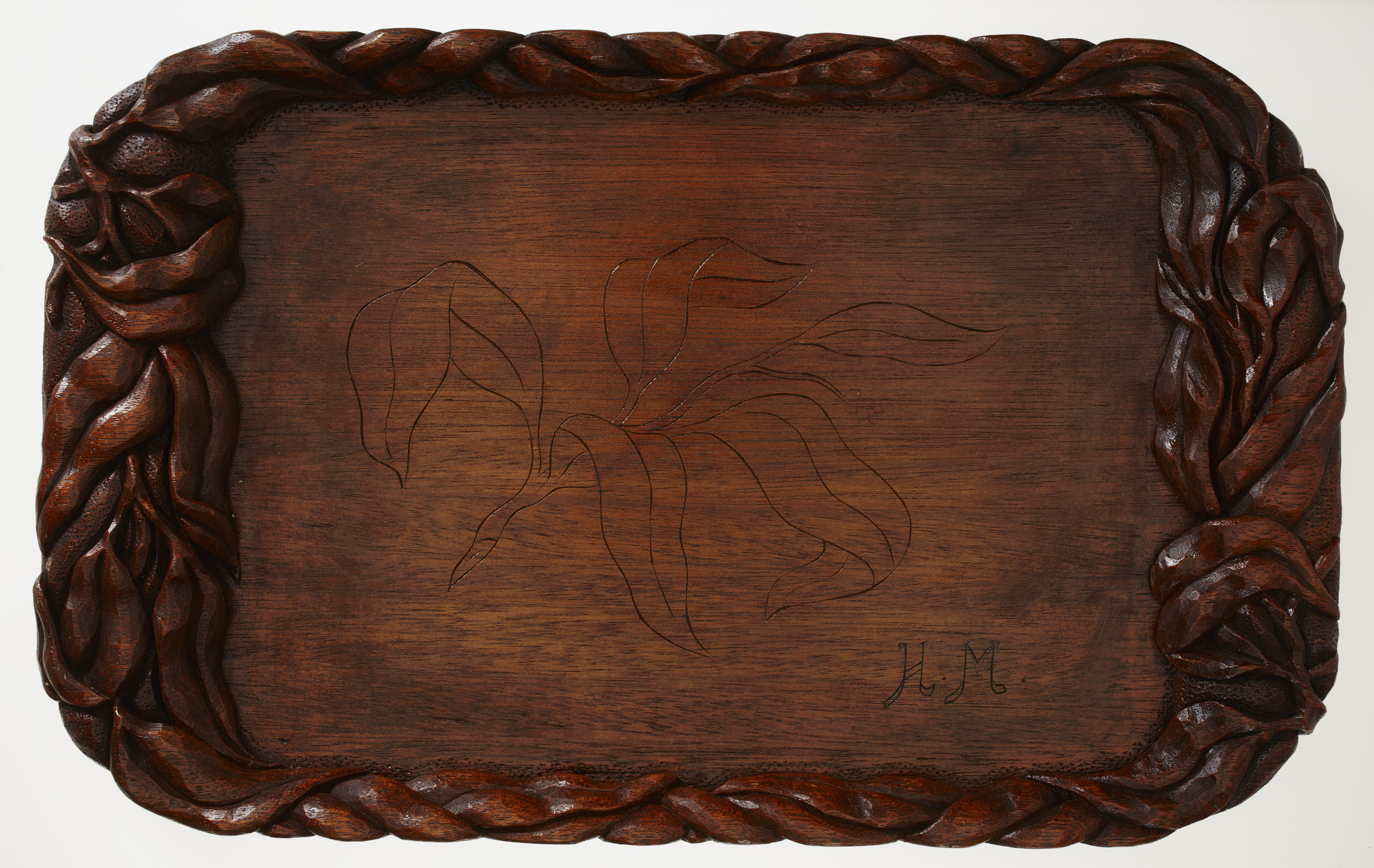
For six long years Karl remained interned, mostly at Tatura camp in northern Victoria. He kept himself occupied decorating cakes, and learning woodcarving and drafting.
Meanwhile his wife Hilde, also a German migrant, was issued with a travel permit and her movements were restricted to within 15 miles of Melbourne’s General Post Office.
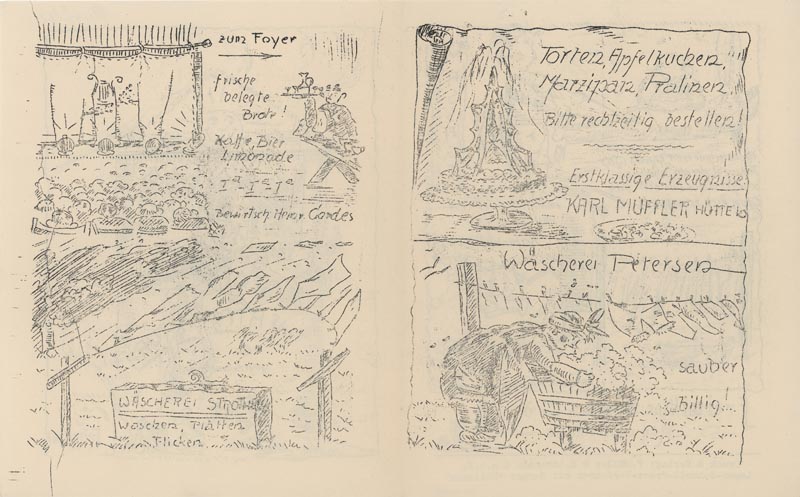
Karl practised his confectionery craft throughout his internment.
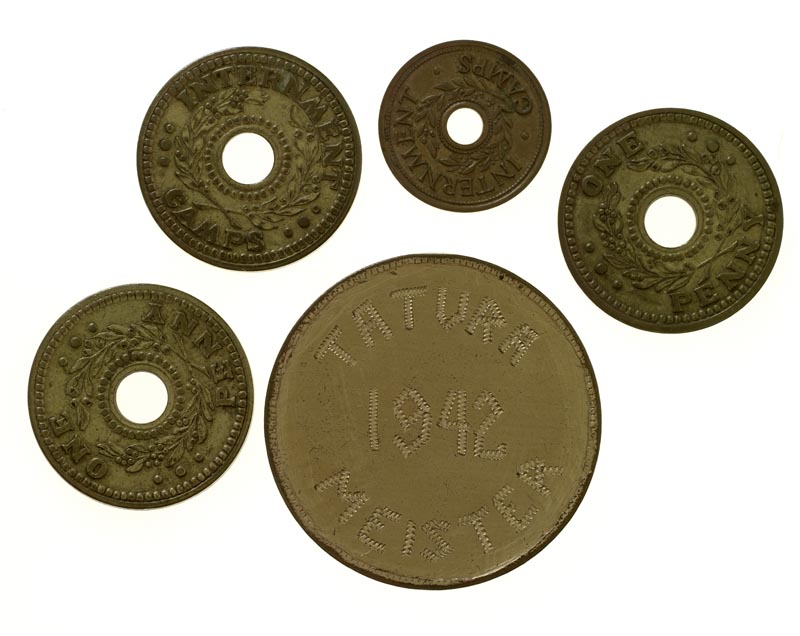
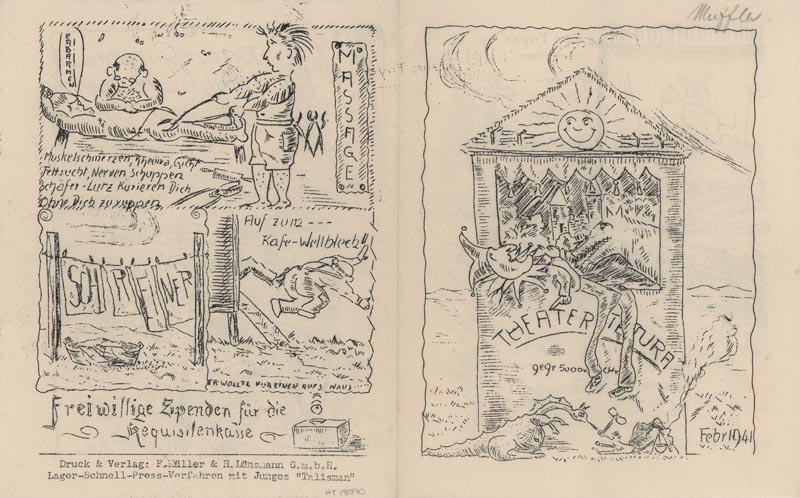
Internees kept themselves busy by participating in woodworking and drawing classes, and theatre productions. Special currency was issued for use within the camps.
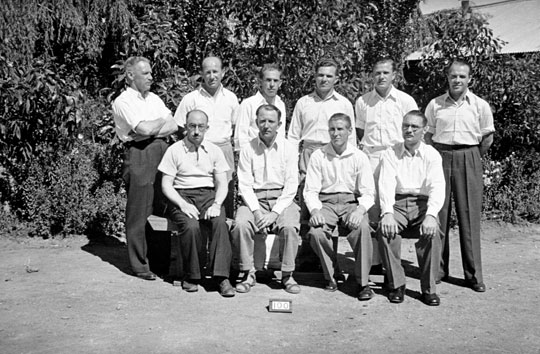
A further 8000 people were sent to Australia to be interned after being detained overseas by Australia's allies.
Midway through the War, more than 12,000 people – mostly men, but some women and children – were interned in 18 camps around southern Australia, including Tatura in Victoria, and Cowra and Hay in New South Wales.
Internees were usually separated from their families and tried to find ways to keep themselves occupied. They set up their own study classes, theatre groups and market gardens, and were issued 'internment currency' in order to purchase goods within the camp grounds.
Many volunteered to work on Australian farms to help with the manpower shortage and some, later in the War, joined the Australian army. Most made the best of the situation, but it was a traumatic experience that left some internees permanently scarred.
After World War II
After release from internment Karl continued to work as a cake decorator.
He was reunited with his wife. With no family left in Germany, they decided to stay in Australia, became naturalised in 1947, and had two daughters.
Karl's love of cake-decorating continued throughout his life. He also taught at William Angliss College in Melbourne, passing on his skills to local ex-servicemen. He passed away in 1996.