It is 1964, on a footpath in Carlton. Outside La Cumparsita Hall small groups of finely-dressed revellers take in the cool air. They are here for the music and spectacle of the Ceresoli brothers’ Ballo Mokambo.
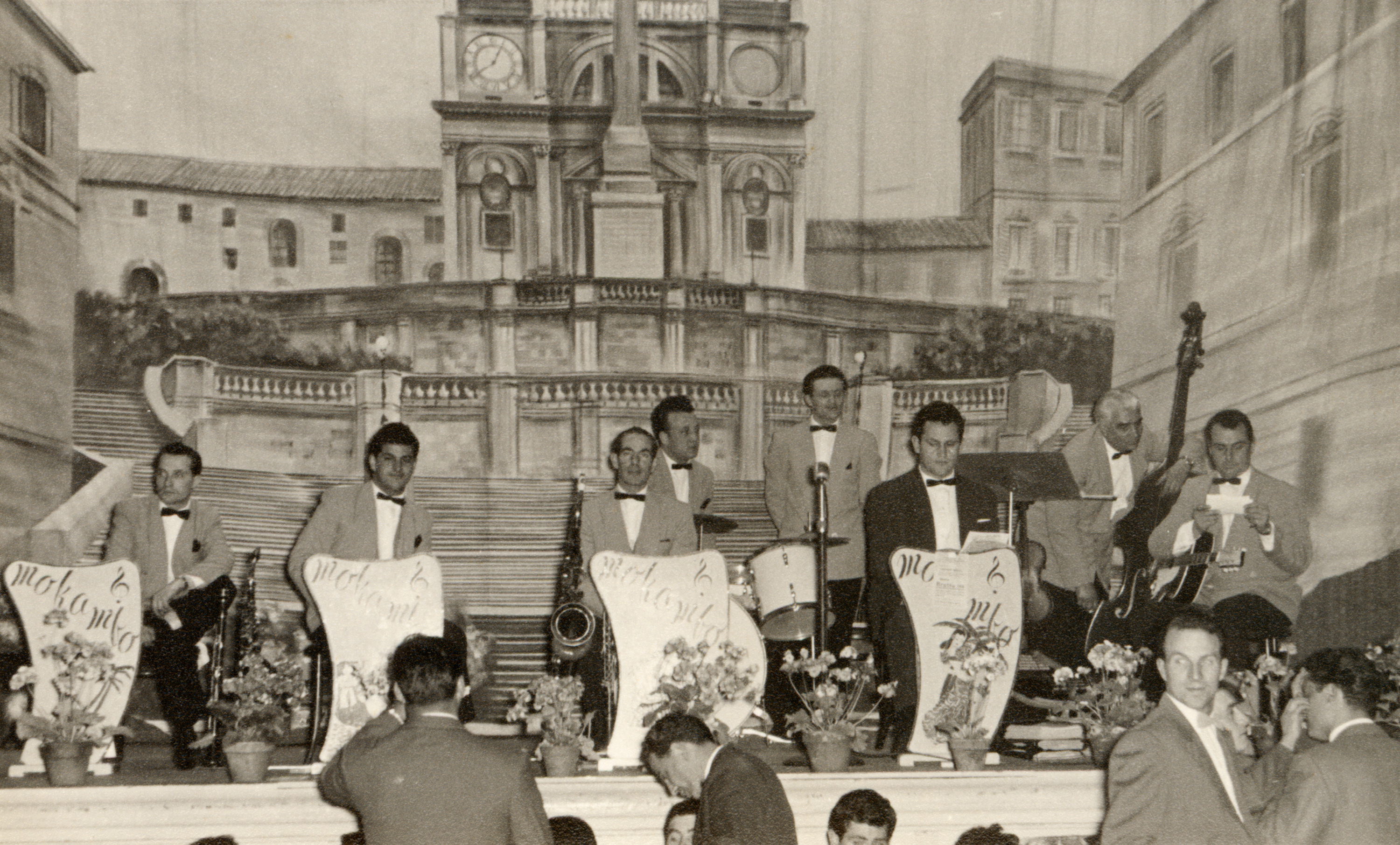
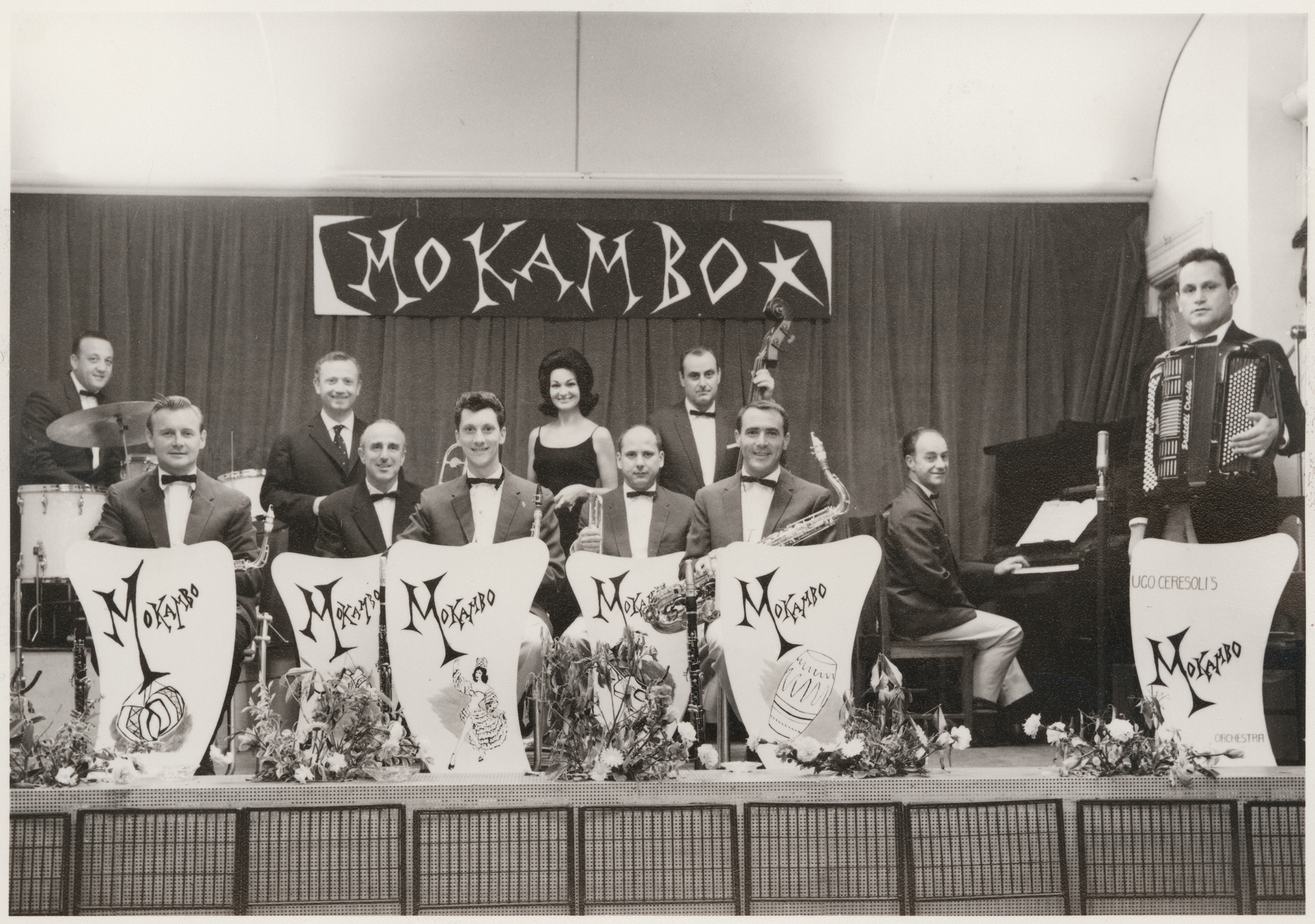
A night at the Ballo
The audience in the packed hall is not only from the local Italian community. People from many other backgrounds are there too, in large numbers, all keen to hear the versatile band with a cosmopolitan catalogue of songs: from traditional Italian folks songs to swinging mambos; from upbeat cha-cha-chas to sultry beguines; not to mention lively rock 'n' roll hits.
Up front on stage is gifted singer Jo Muhrer, singing in Italian, Spanish, French, German, Hebrew and more. She thrills the audience with La Vie En Rose and Blue Moon, and whips up a storm with La Bamba, guided by the charismatic band leader and accordionist Ugo Ceresoli.
Recording of Mokambo Orchestra, circa 1959
Courtesy of Tony Caselli
The orchestra plays long into the evening, breaking occasionally for the dancers to catch their breath and share a meal with friends and family.
At midnight Jo, Ugo, Bruno and the orchestra take their final bows, and the buzzing and chattering crowd slowly spills out into the night.
The Ceresoli brothers and their music
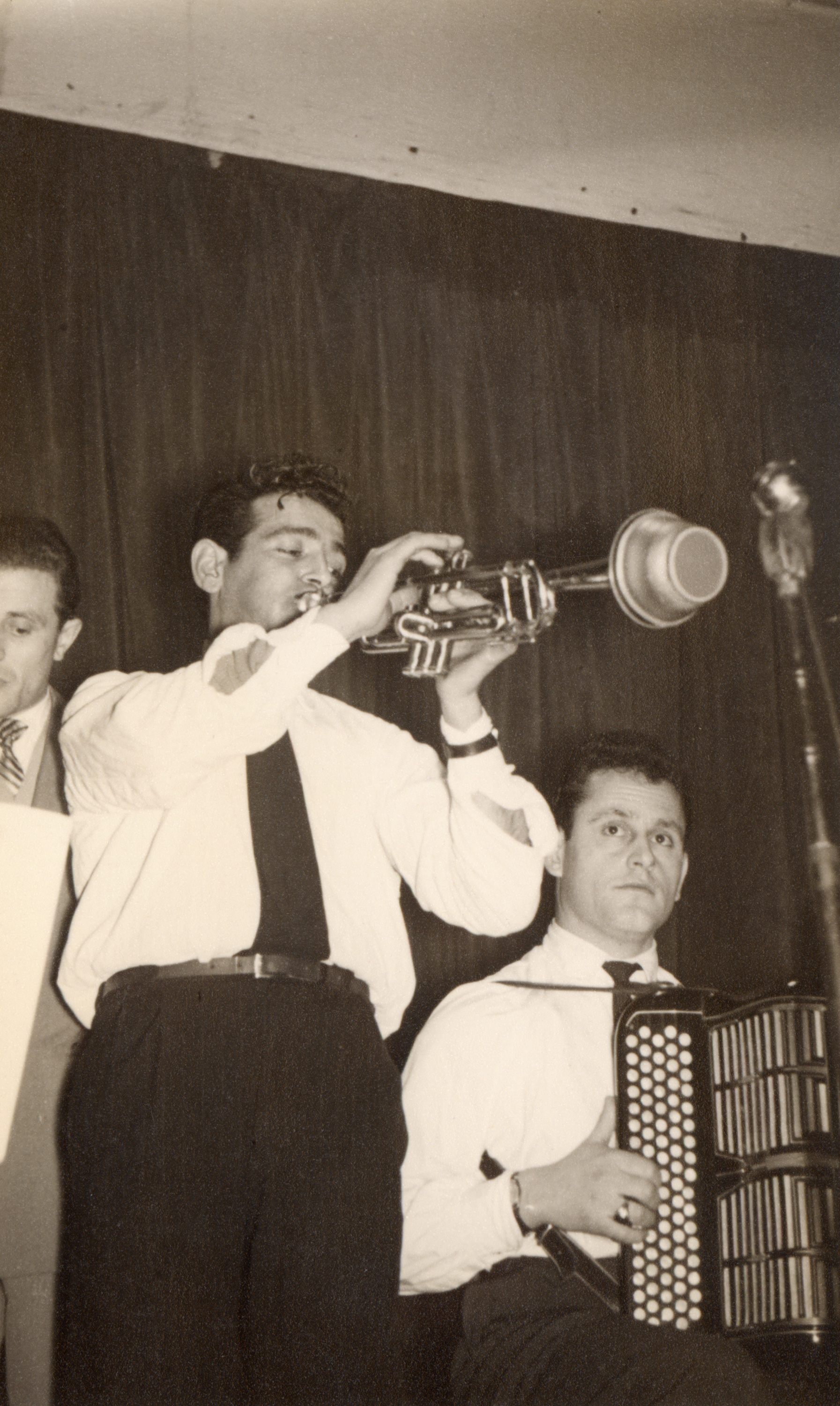
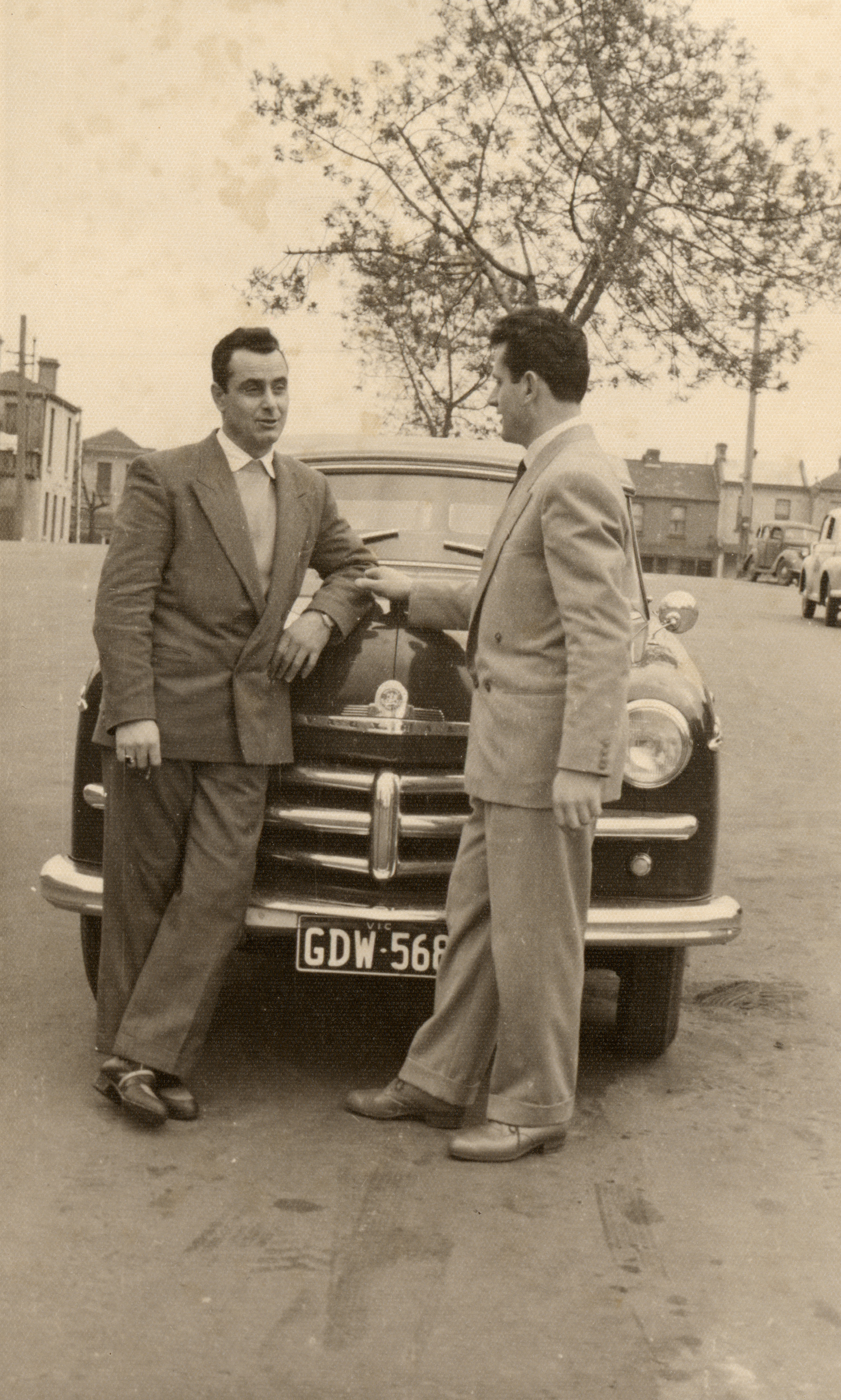
It is 1952, and young Ugo Ceresoli walks down the gangplank towards his new life. He leaves the dock laden with crates of musical scores and instruments, eager to join his brother Bruno, who arrived in Melbourne three years earlier.
Bruno and Ugo are musicians, born in the 1920s and raised in the Emilia-Romagna region of northern Italy. Making good on the region's reputation as ‘the land of sounds and dances’, the brothers became regular performers in the nightlife of local towns. Ugo loved the accordion, which their anxious mother would listen out for as her boys returned home after dark, playing as they walked.
The Ceresoli brothers were part of a post-war migration exodus – a huge movement of people from Europe which changed the face of Australian culture. Joining the growing Italian community in Carlton, the brothers established themselves with popular musical radio performances. By 1953 they had formed Orchestra Mokambo – a name inspired by the Hollywood film Mogambo, reflecting a trend in Western pop culture to exoticise and appropriate African culture.*
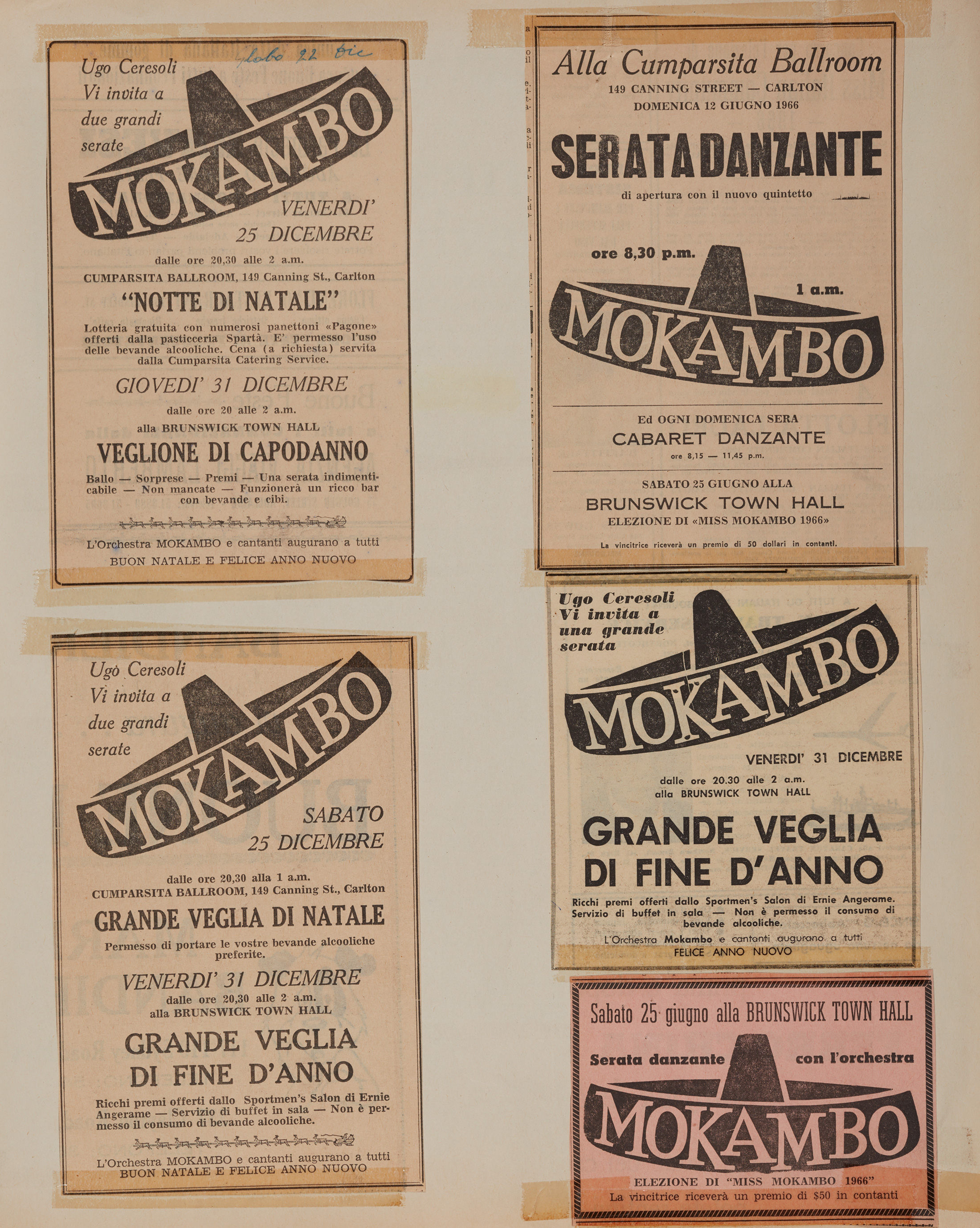
Orchestra Mokambo was one of a small number of Latin-Italian musical groups performing in halls and clubs in Melbourne, particularly at balli italiani – where people gathered to eat, drink, and dance the night away to songs both familiar and new. Soon the orchestra established its own Ballo Mokambo, which ran through the 1960s.
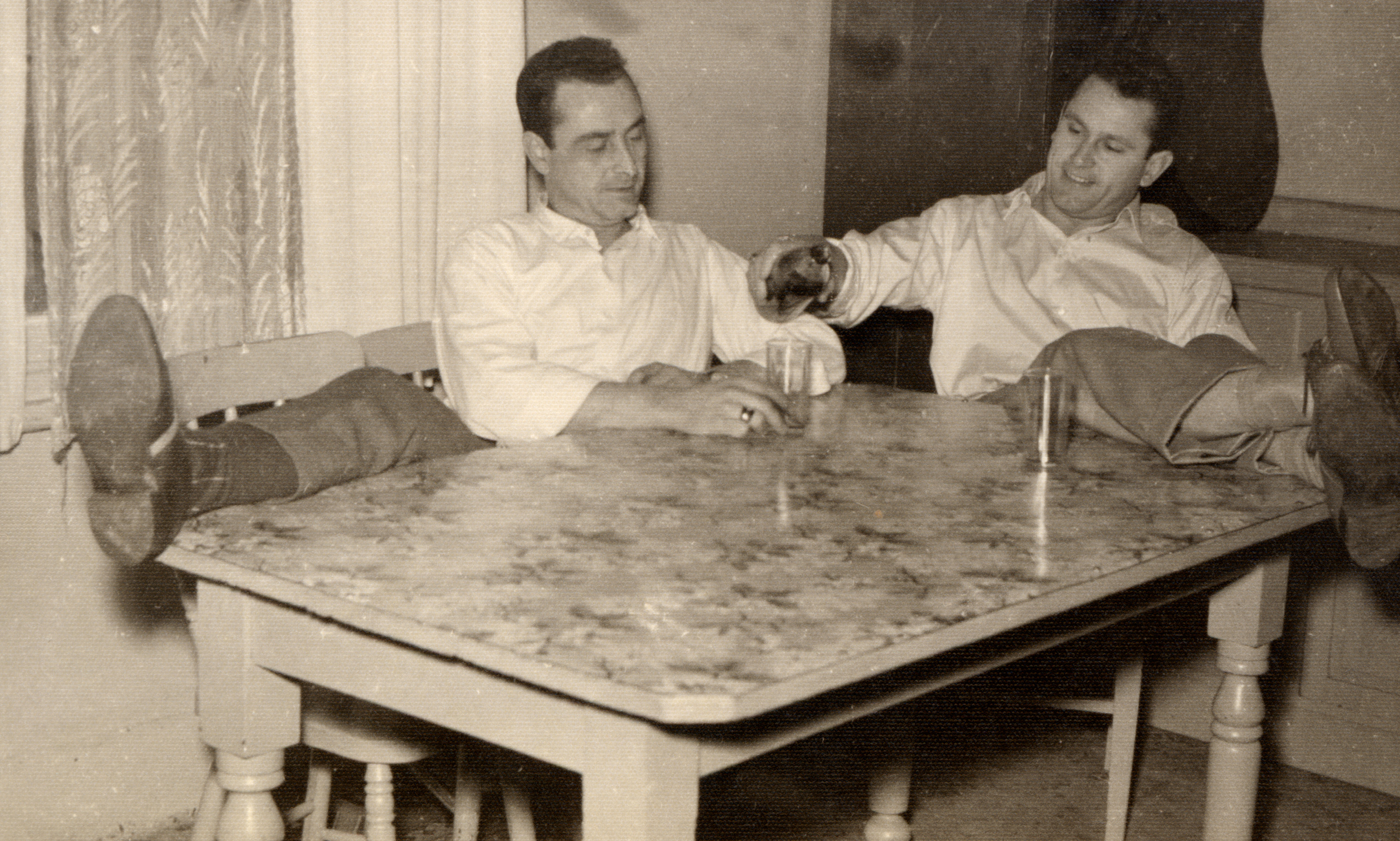
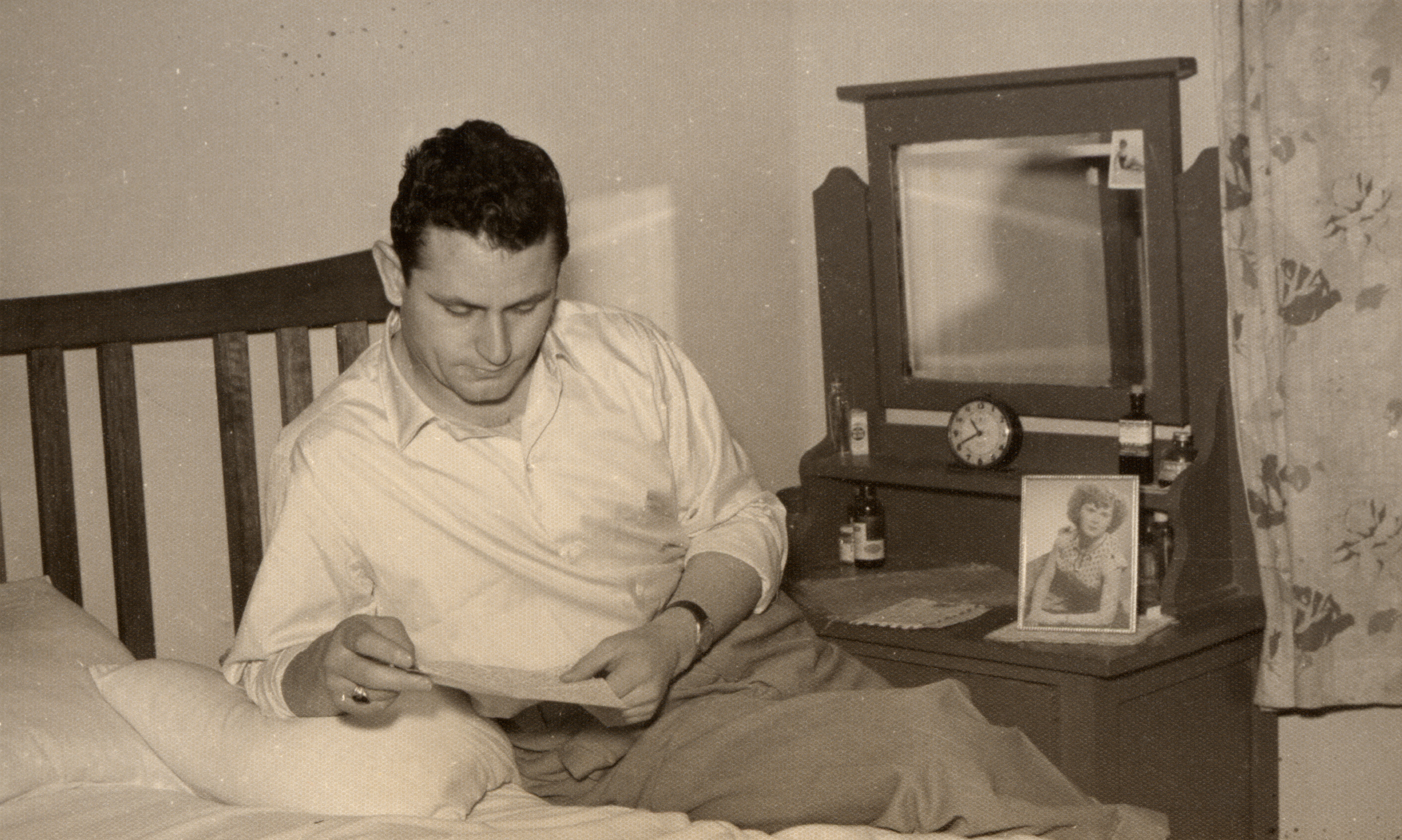
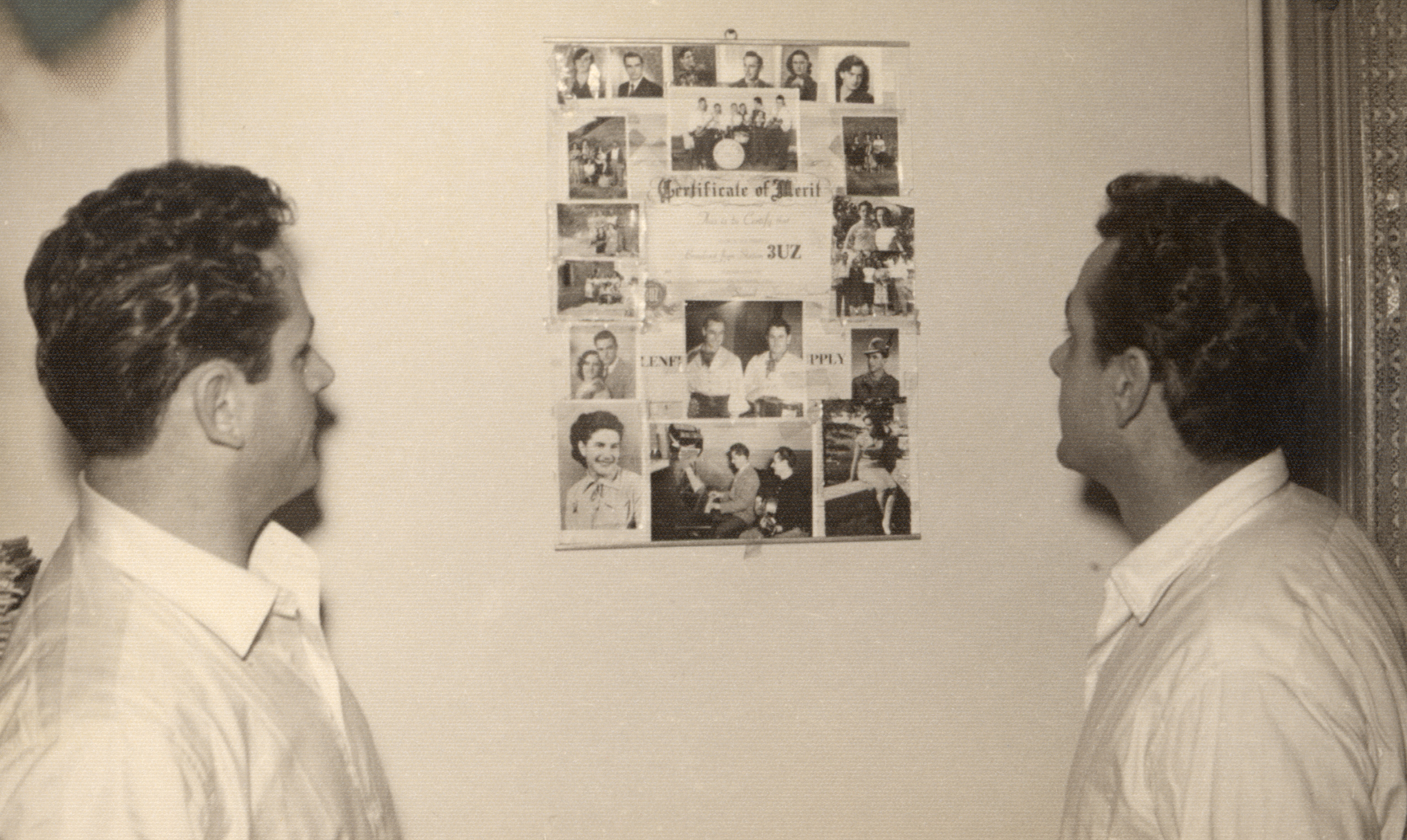
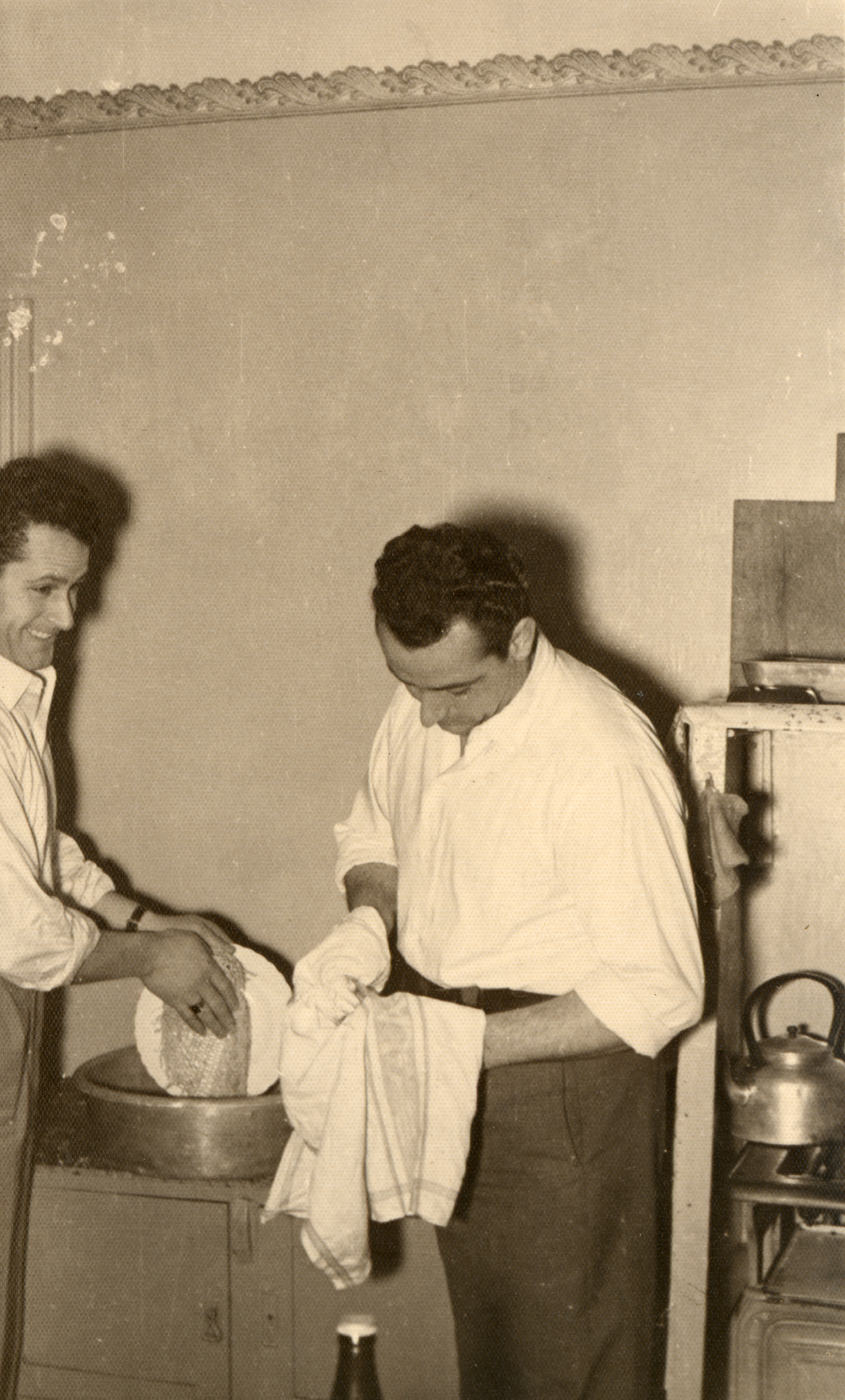
Tragedy struck in 1970, with the untimely death of Bruno at the age of 44. Ugo could not bear to continue the orchestra and, with his gifted vocalist wife, Jo Muhrer, focused on running Mondo Music on Lygon Street and composing music.
By the early 1980s Ugo felt he was ready to start the orchestra again and launched a series of Riunione Nostalgica performances. The growth of the Italian-Australian community, and community-owned spaces, saw the band play on a grander scale than ever before. Ugo and his Orchestra Mokambo continued to perform until his death in 1996.
Ceresoli family scrapbook, 1952-83
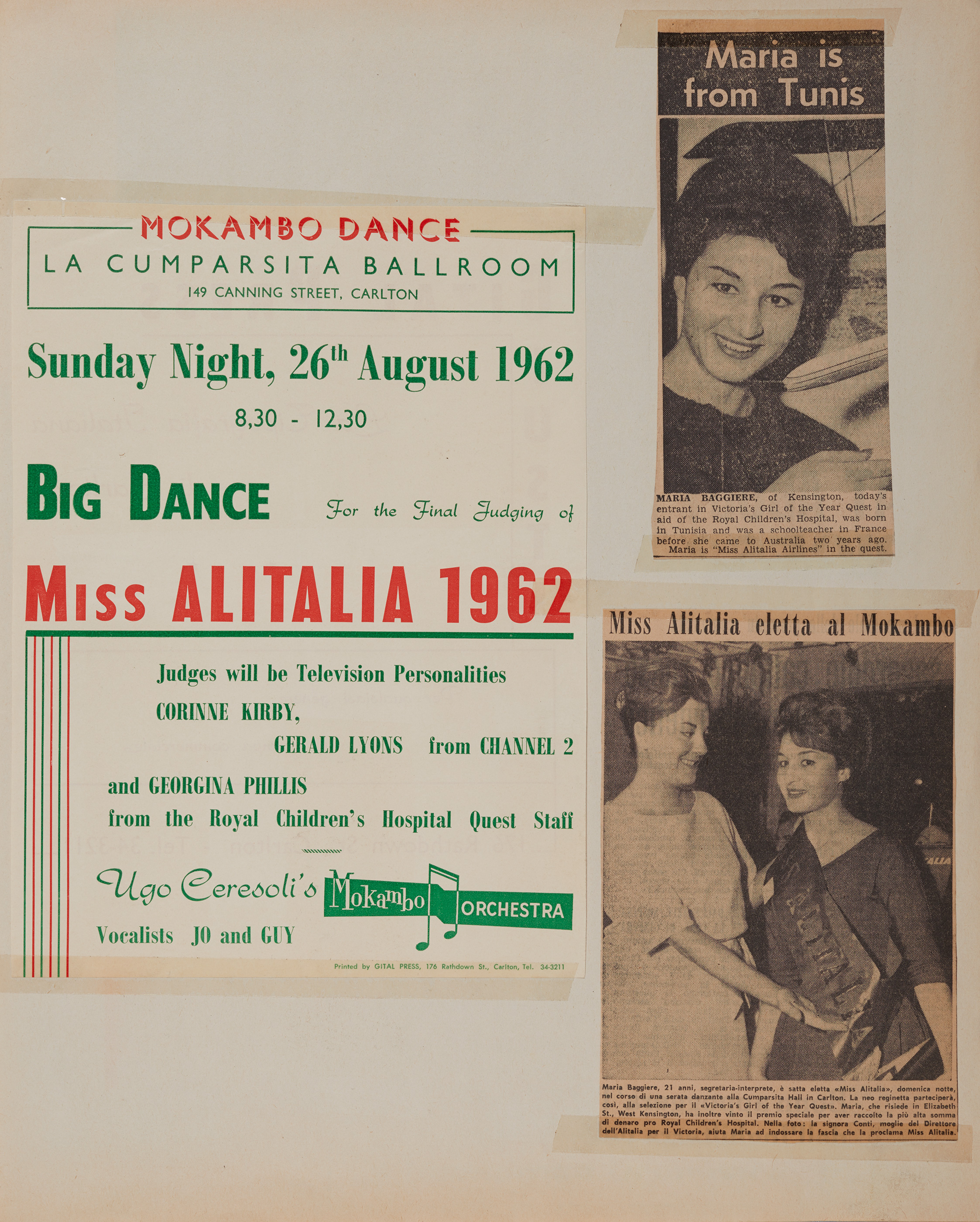
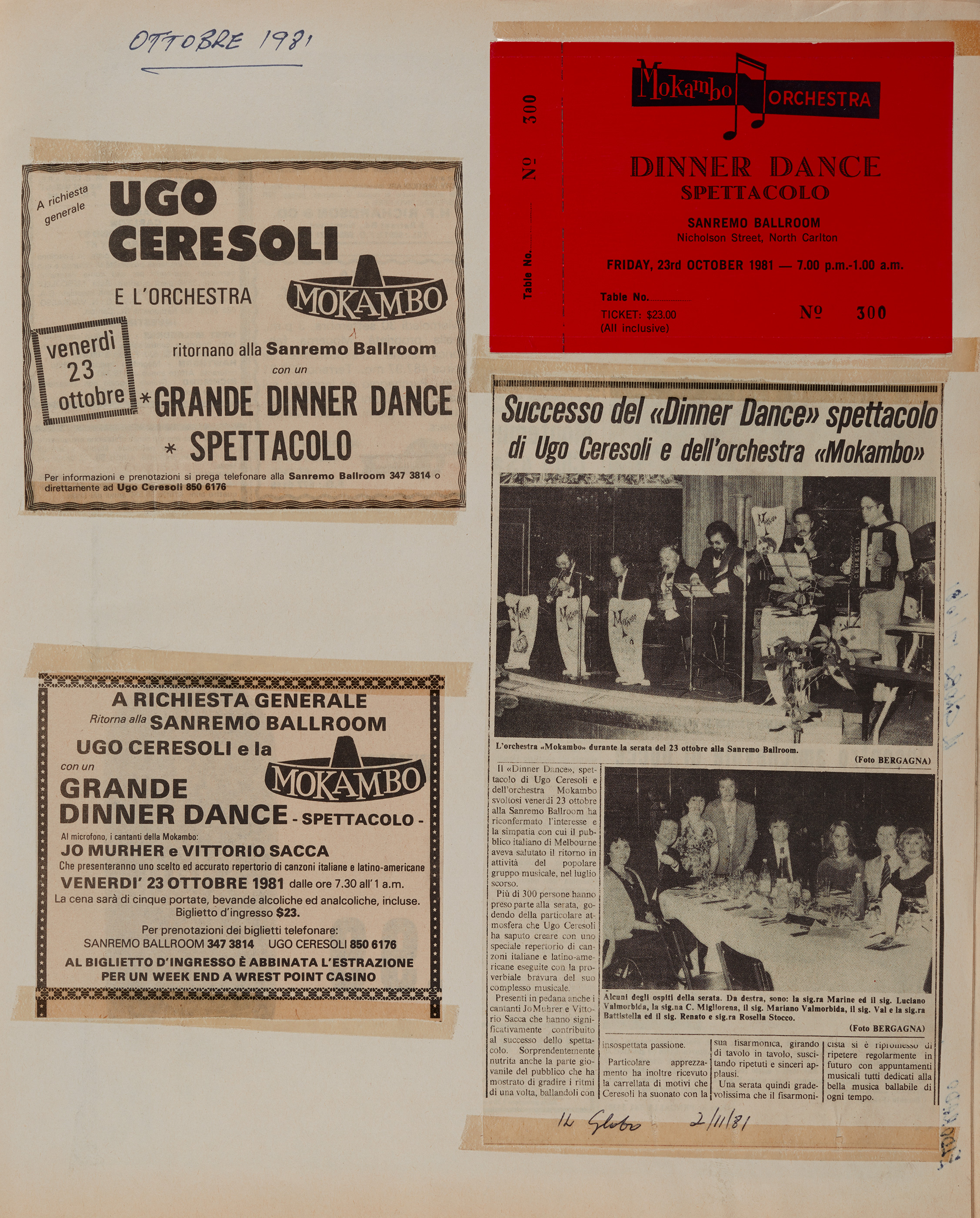
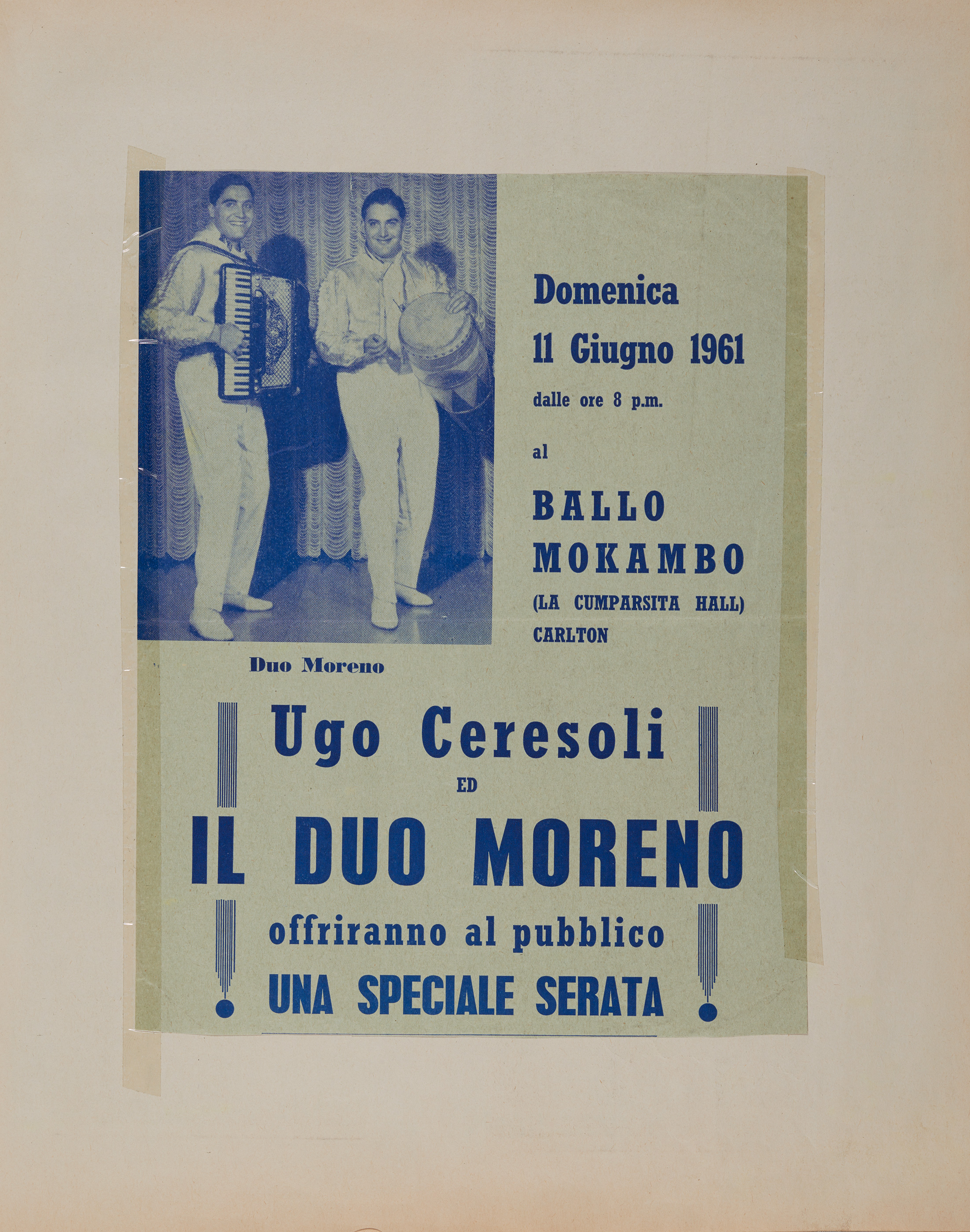
The Ceresoli family documented the story of the Orchestra Mokambo in these scrapbooks, from Bruno and Ugo’s radio appearances to reunion performances.
Ugo Ceresoli’s songbook, 1950s-90s
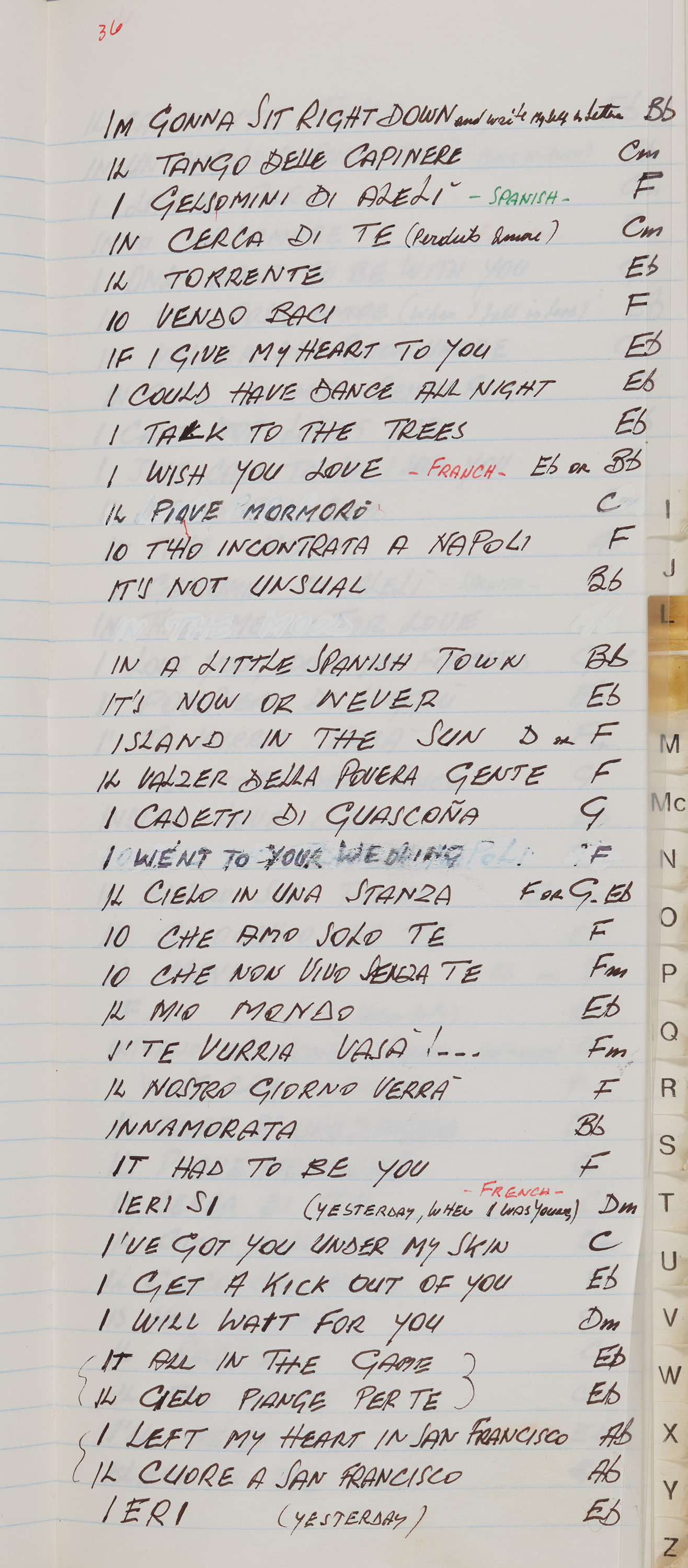
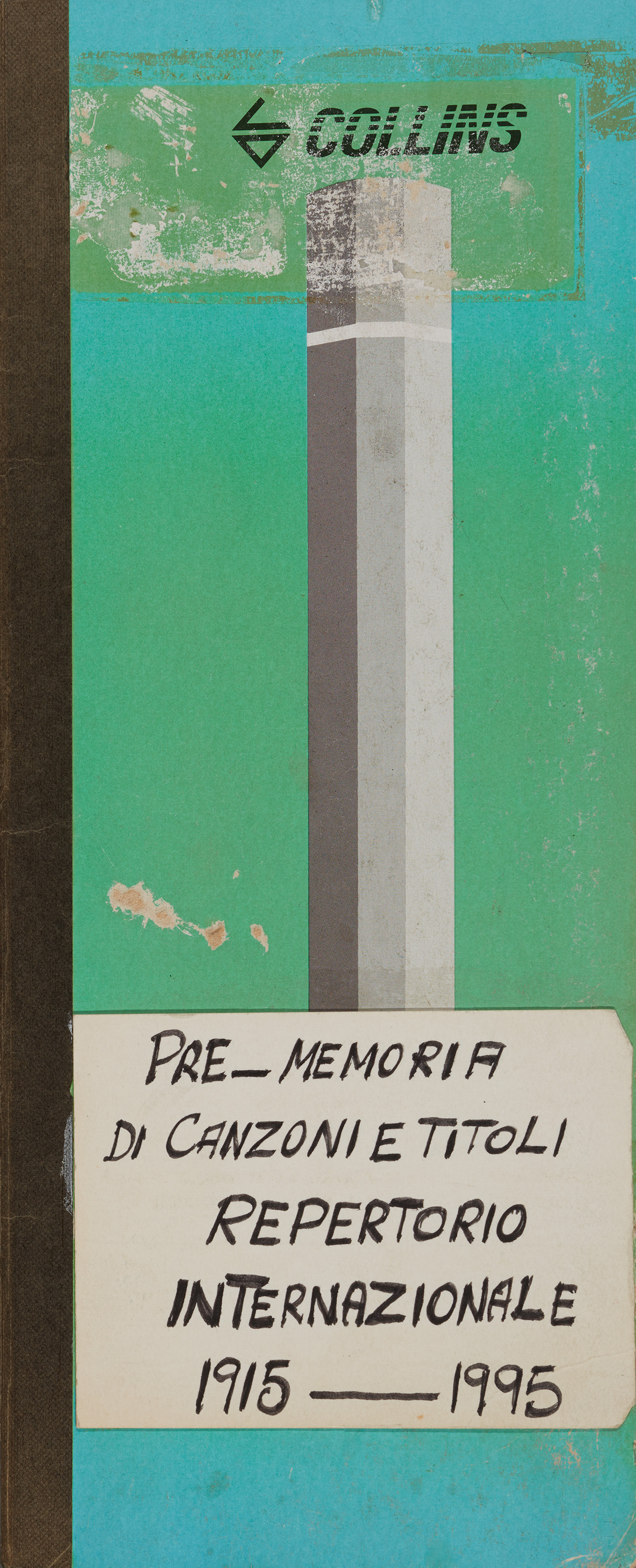
The songbook reveals the orchestra’s impressive repertoire, listing the musical key and language of each song. Jo Muhrer sang in Greek, Spanish, Italian, German, French, Hebrew and English.
Ugo Ceresoli’s accordion, post-1950
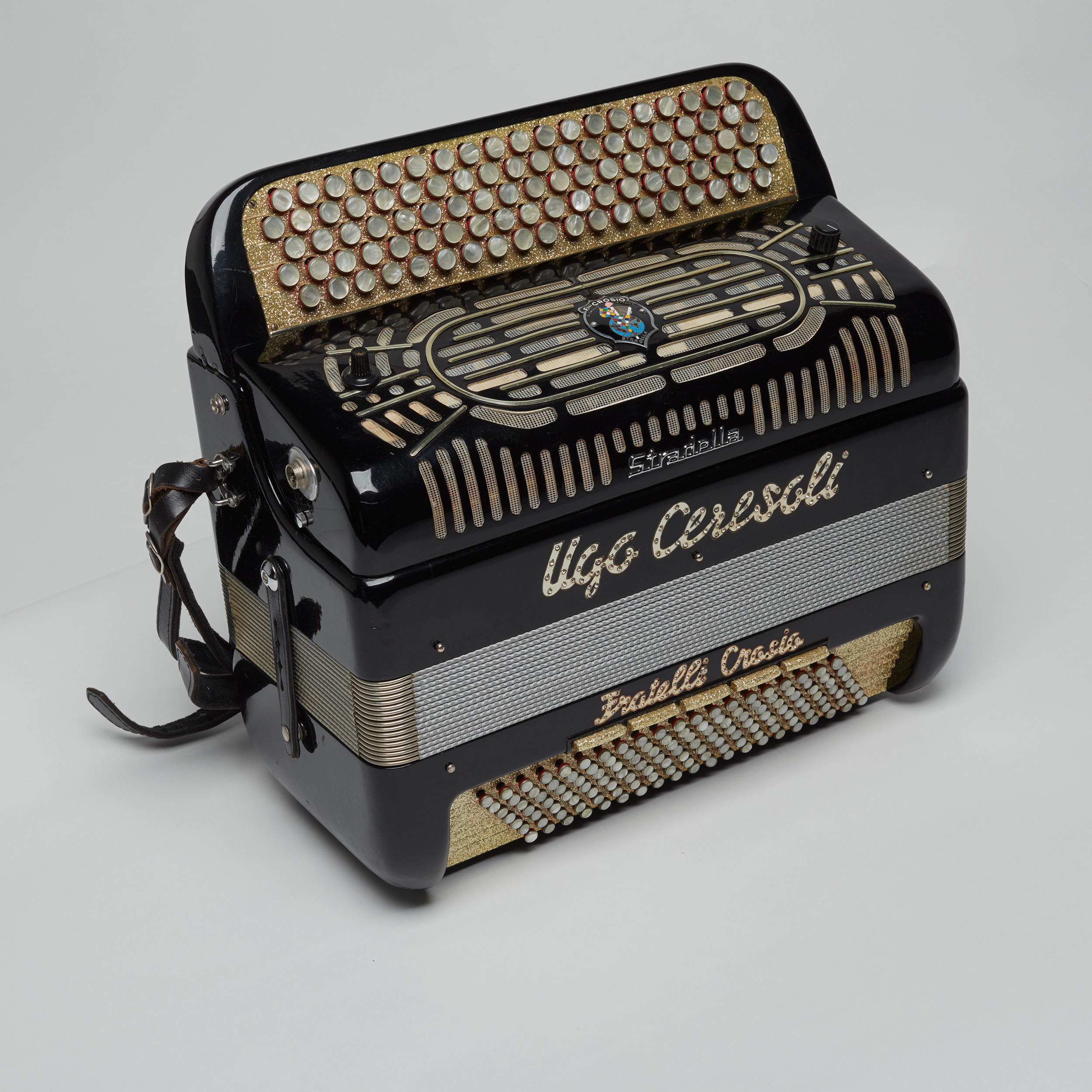
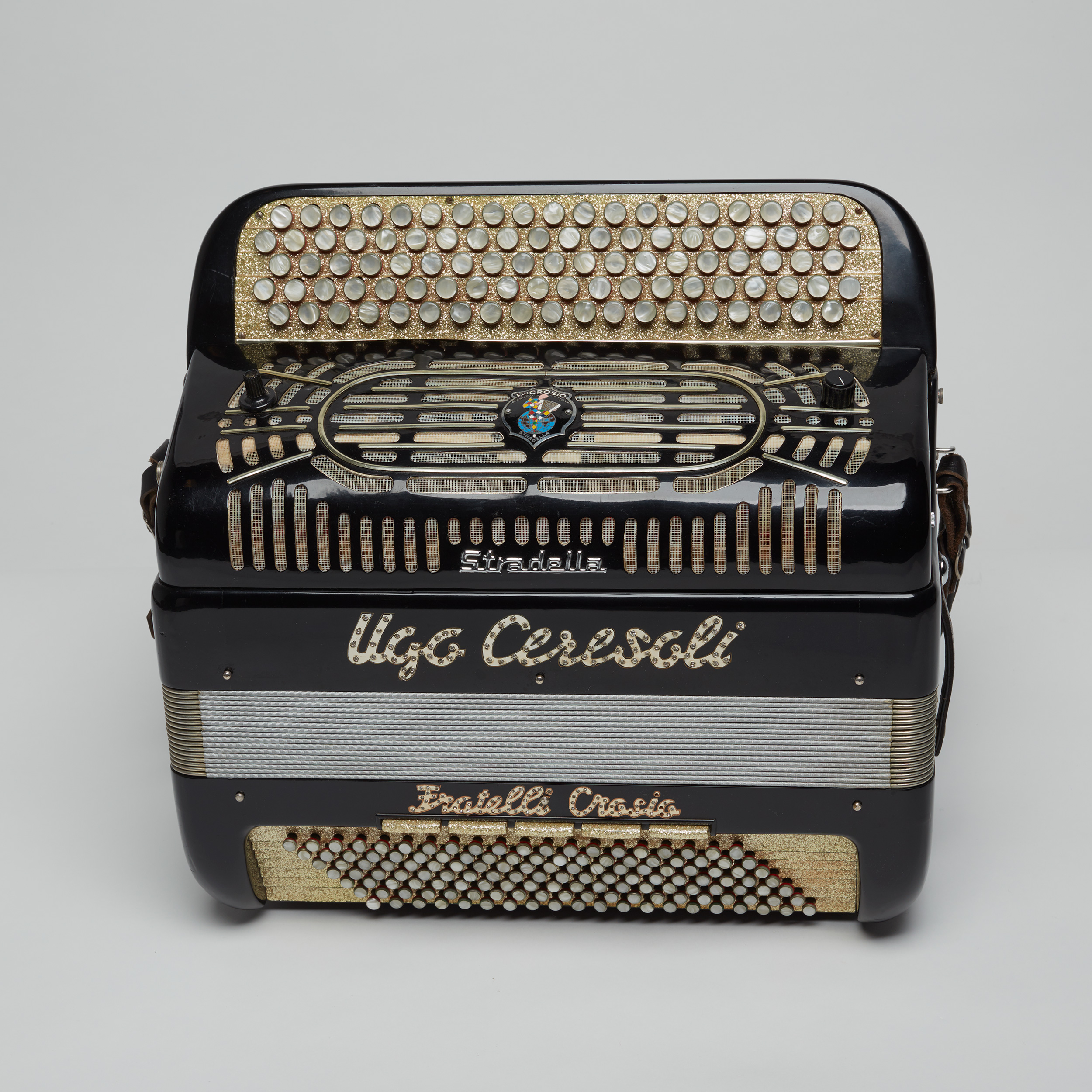
Personalised accordion made by renowned accordion manufacturers Fratelli Crosio, one of many owned by Ugo Ceresoli during his life.
Orchestra Mokambo music stands, circa 1955
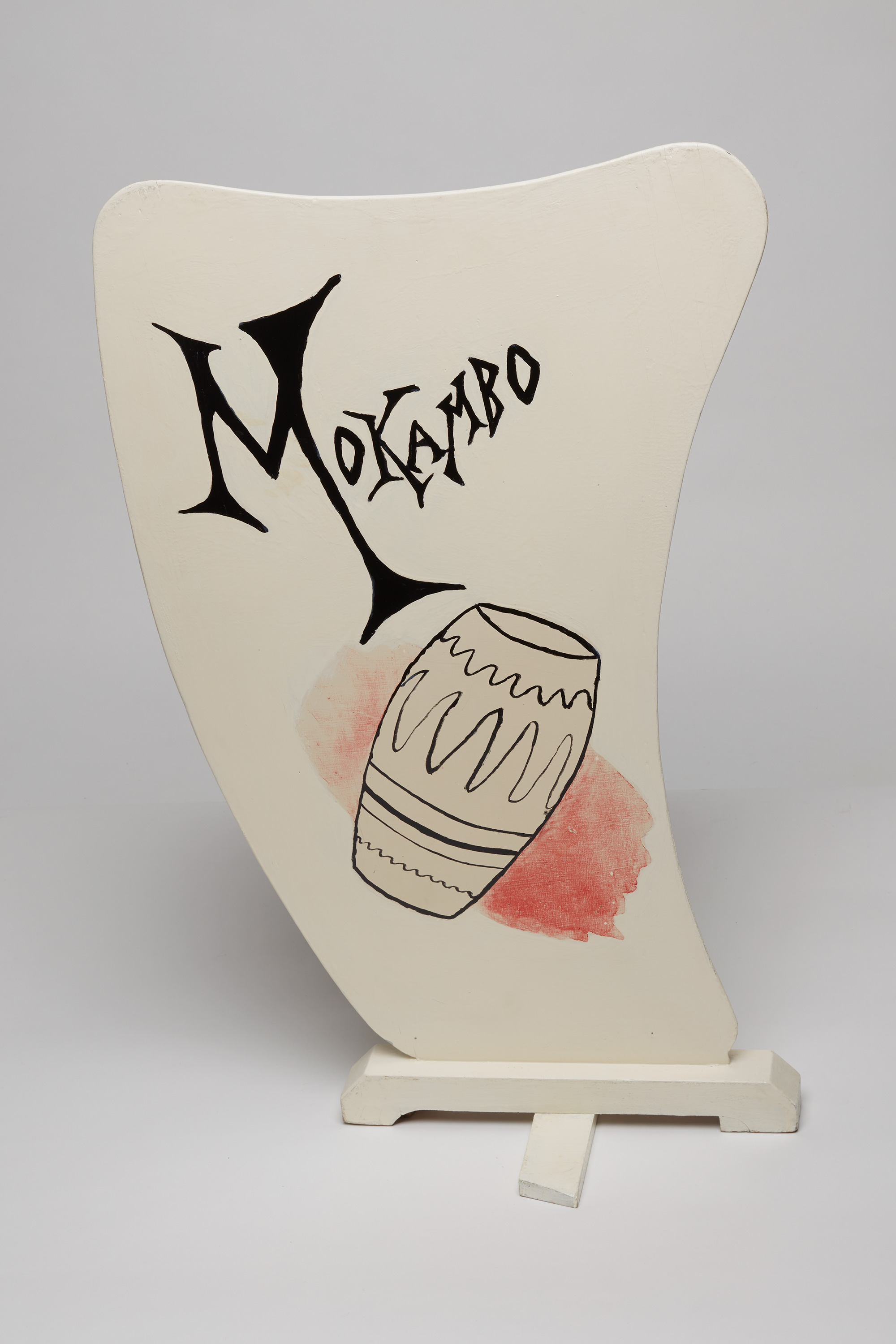
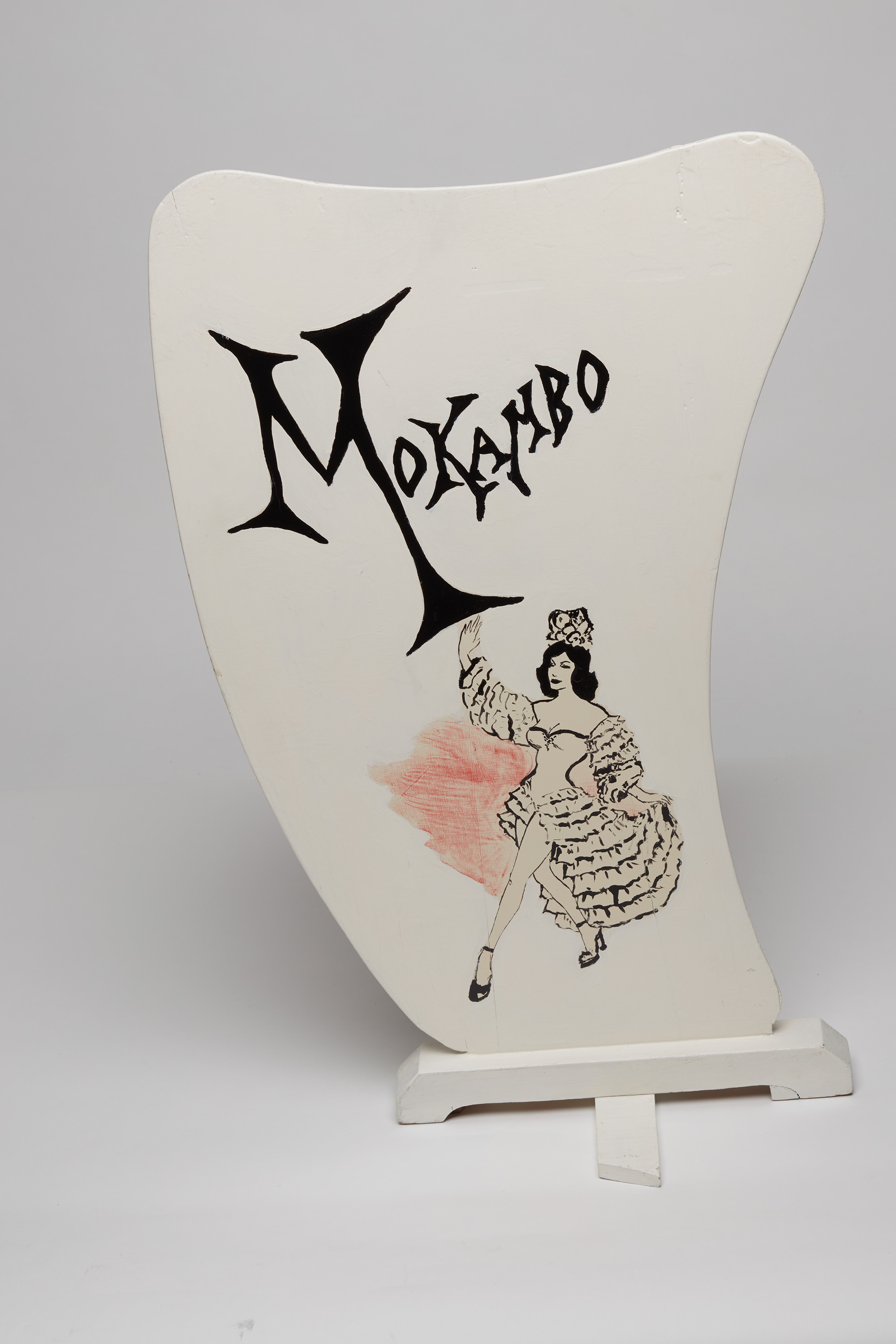
Two of seven hand-painted stands used by Orchestra Mokambo, which provided both set dressing and props for sheet music. The motifs reflect the range of music played by the band.
*Films like Mogambo, and other expressions of Western popular culture at this time, portrayed regions such as Africa and its diverse peoples and cultures as exotic and uniform, often from a colonial perspective. In this story, the motifs on the music stands, promotional materials and the band’s musical repertoire, demonstrate how African and Latin American cultural traditions could be stereotyped and appropriated for commercial use.
*Films like Mogambo, and other expressions of Western popular culture at this time, portrayed regions such as Africa and its diverse peoples and cultures as exotic and uniform, often from a colonial perspective. In this story, the motifs on the music stands, promotional materials and the band’s musical repertoire, demonstrate how African and Latin American cultural traditions could be stereotyped and appropriated for commercial use.