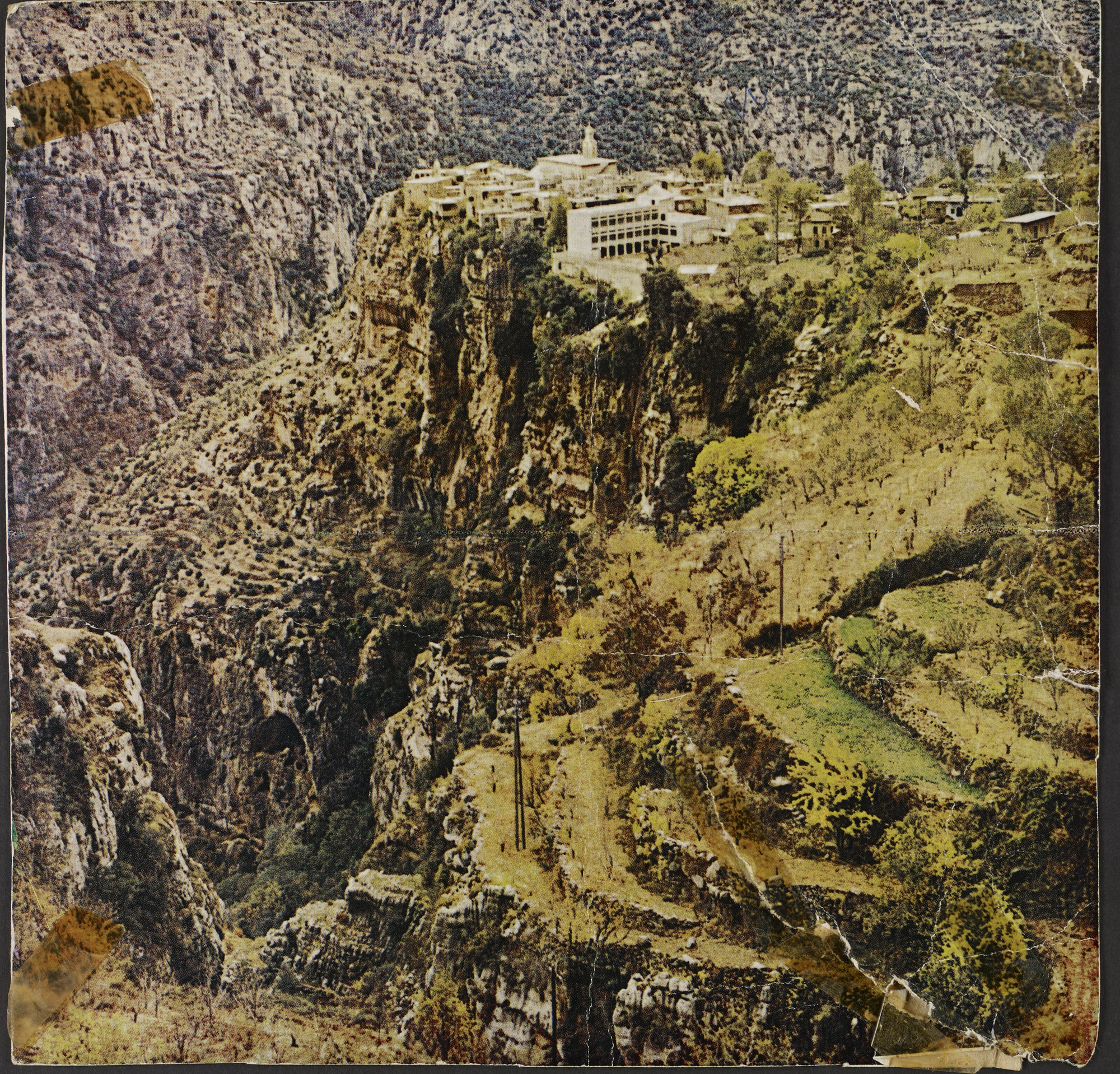
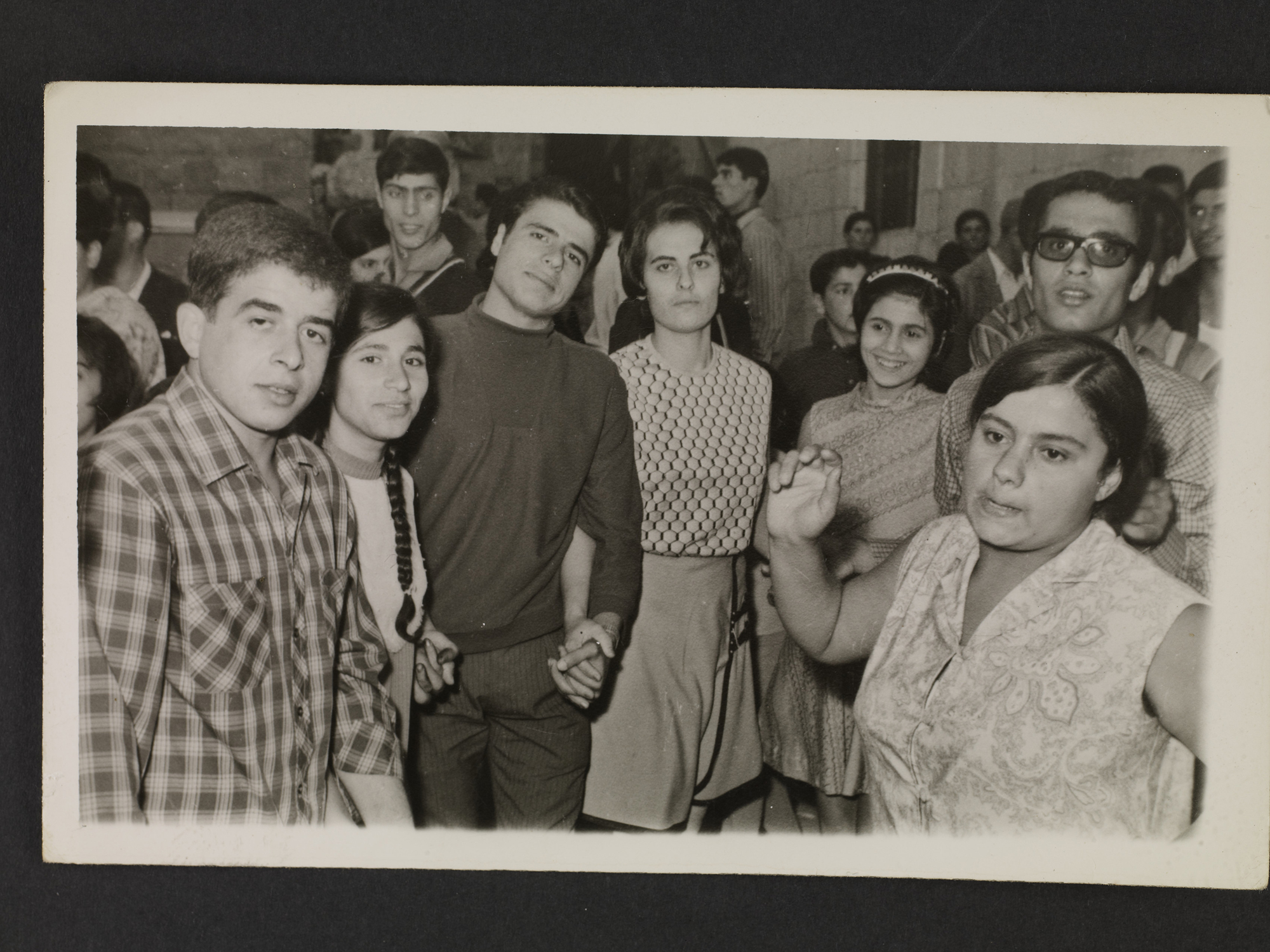
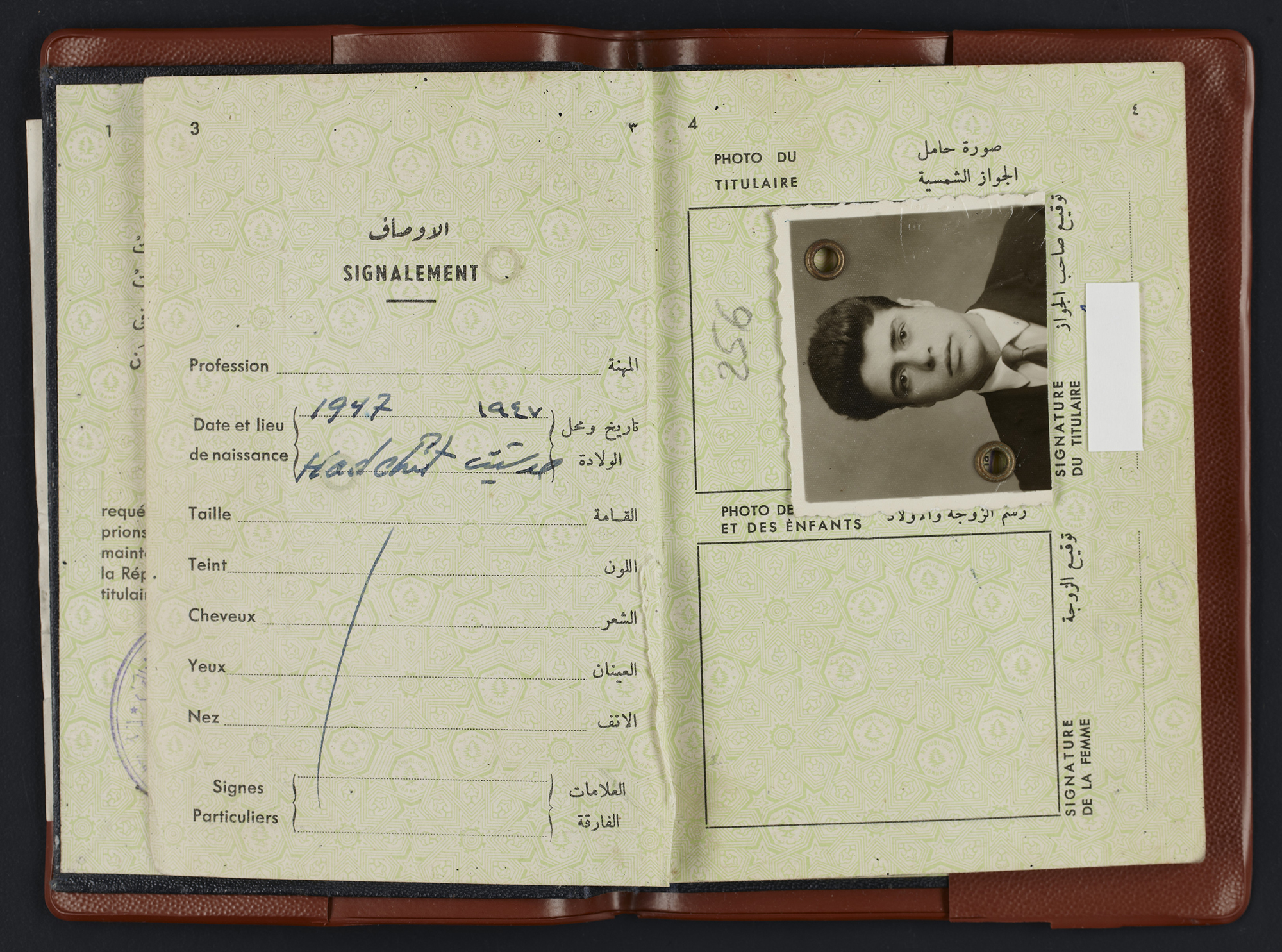
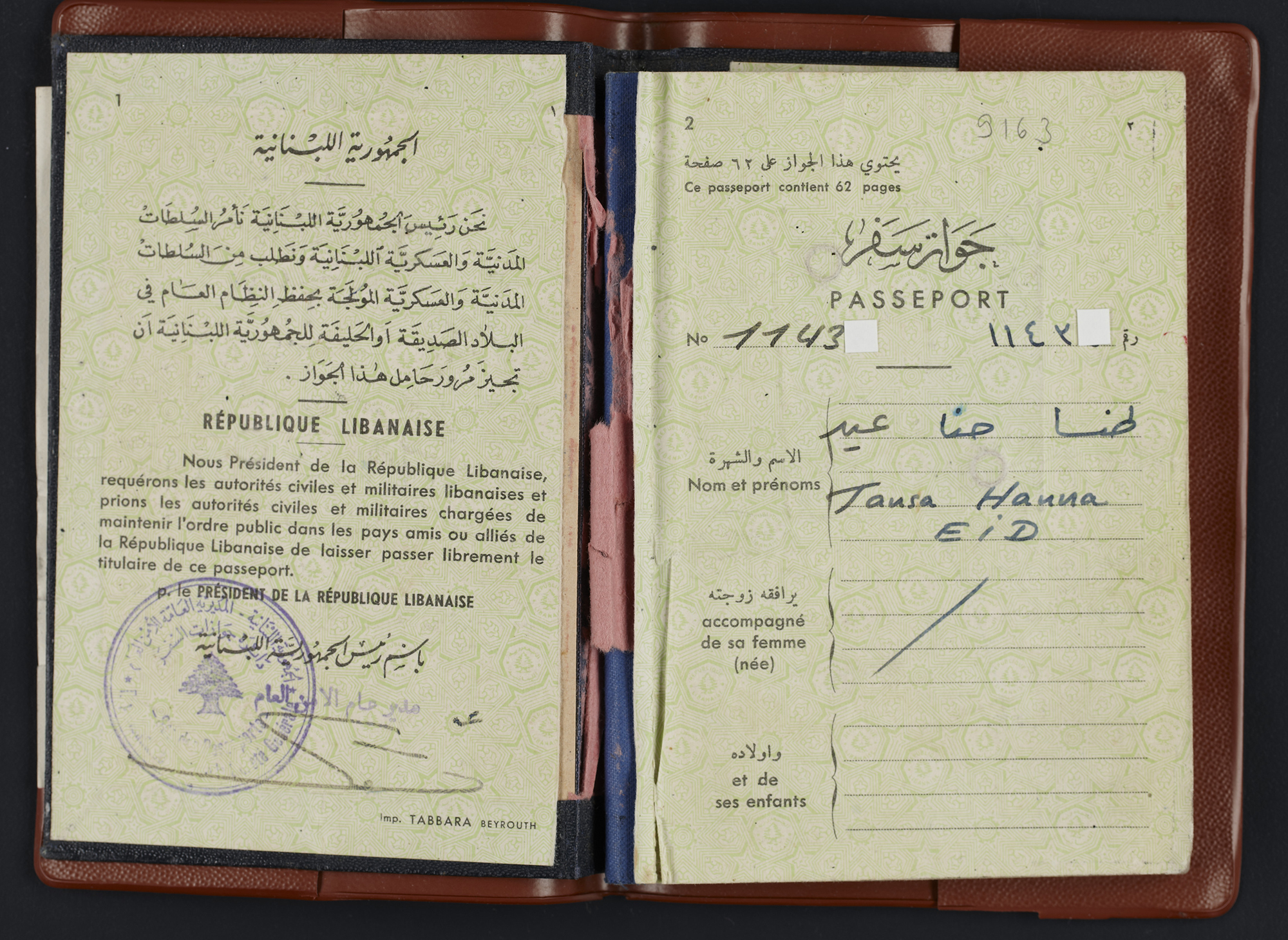
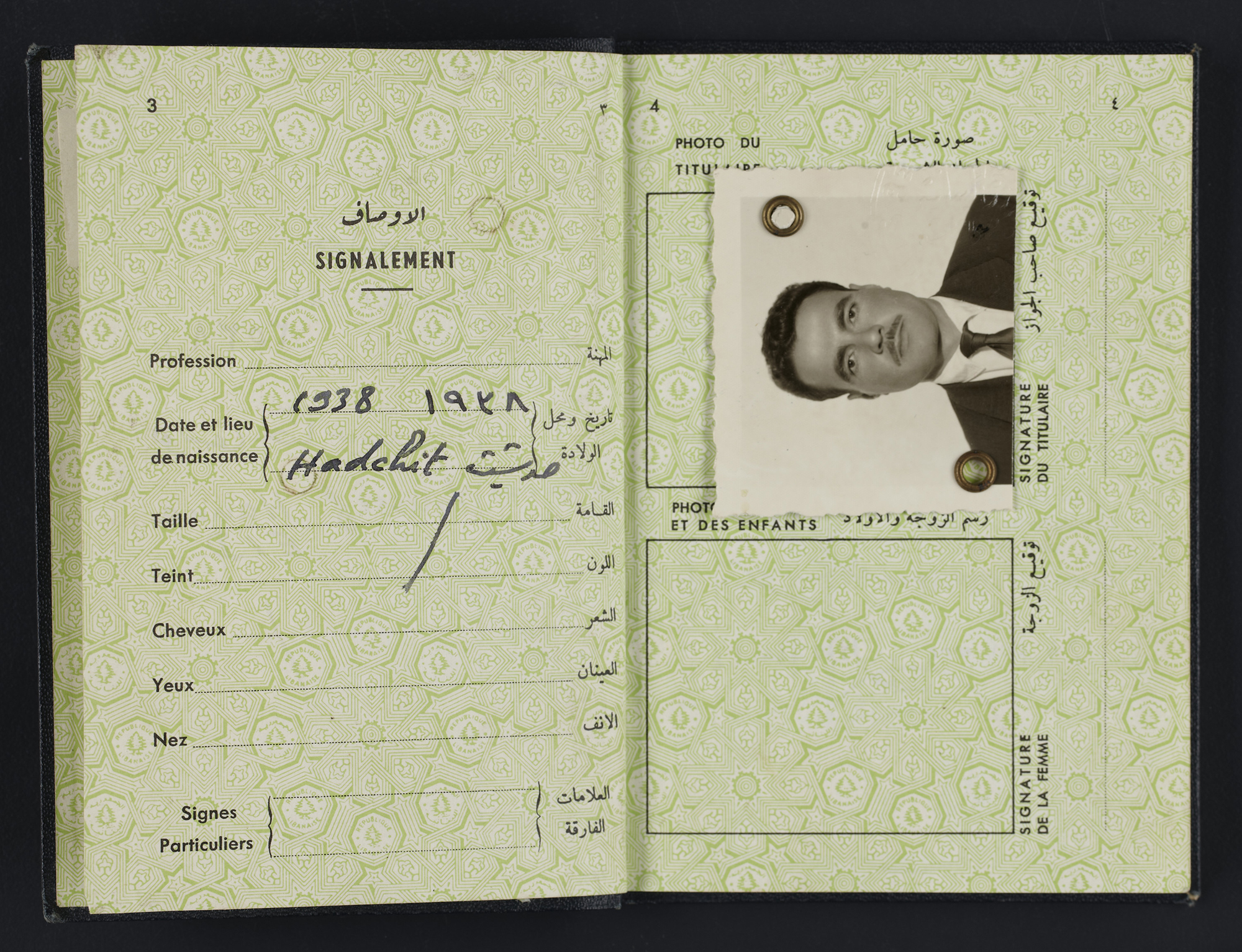
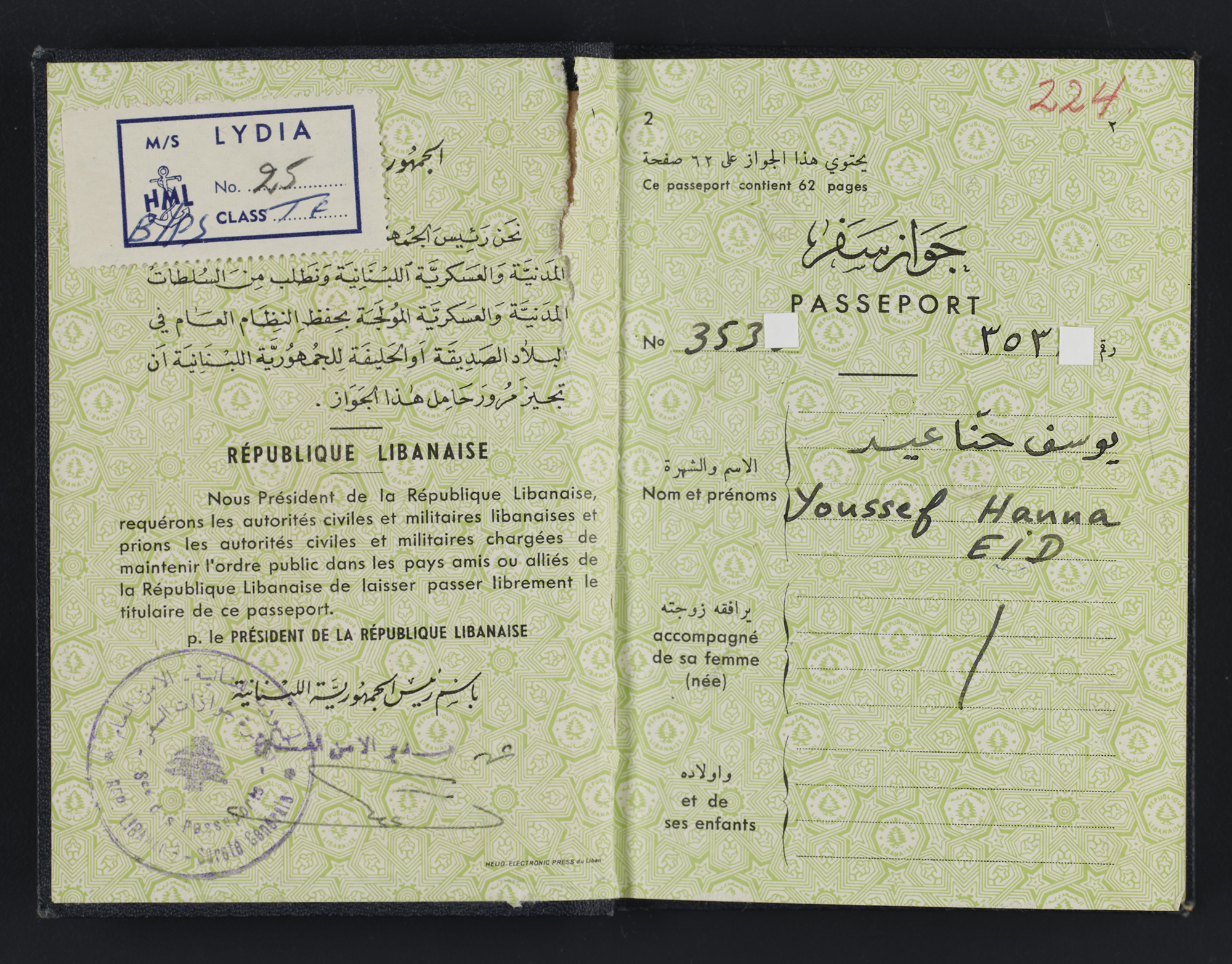
Brothers Youssef, Romanos and Tansa Eid were born in Hadchit, a small Maronite Catholic village in the mountains of northern Lebanon. They came to Australia to work and save money, but soon settled permanently.
I thought Australia would be good for the future, good for my family. — Youssef Eid, 2012
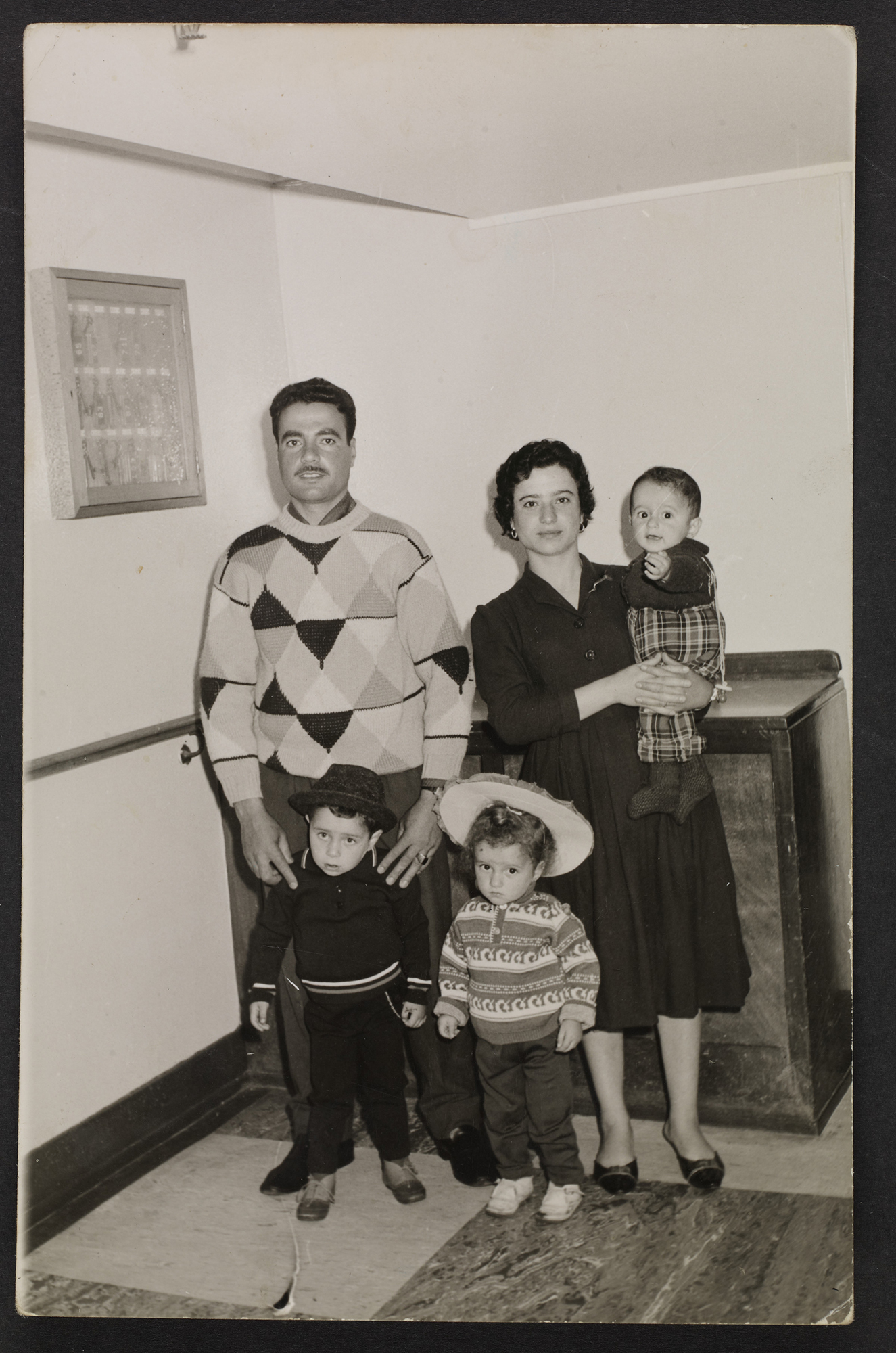
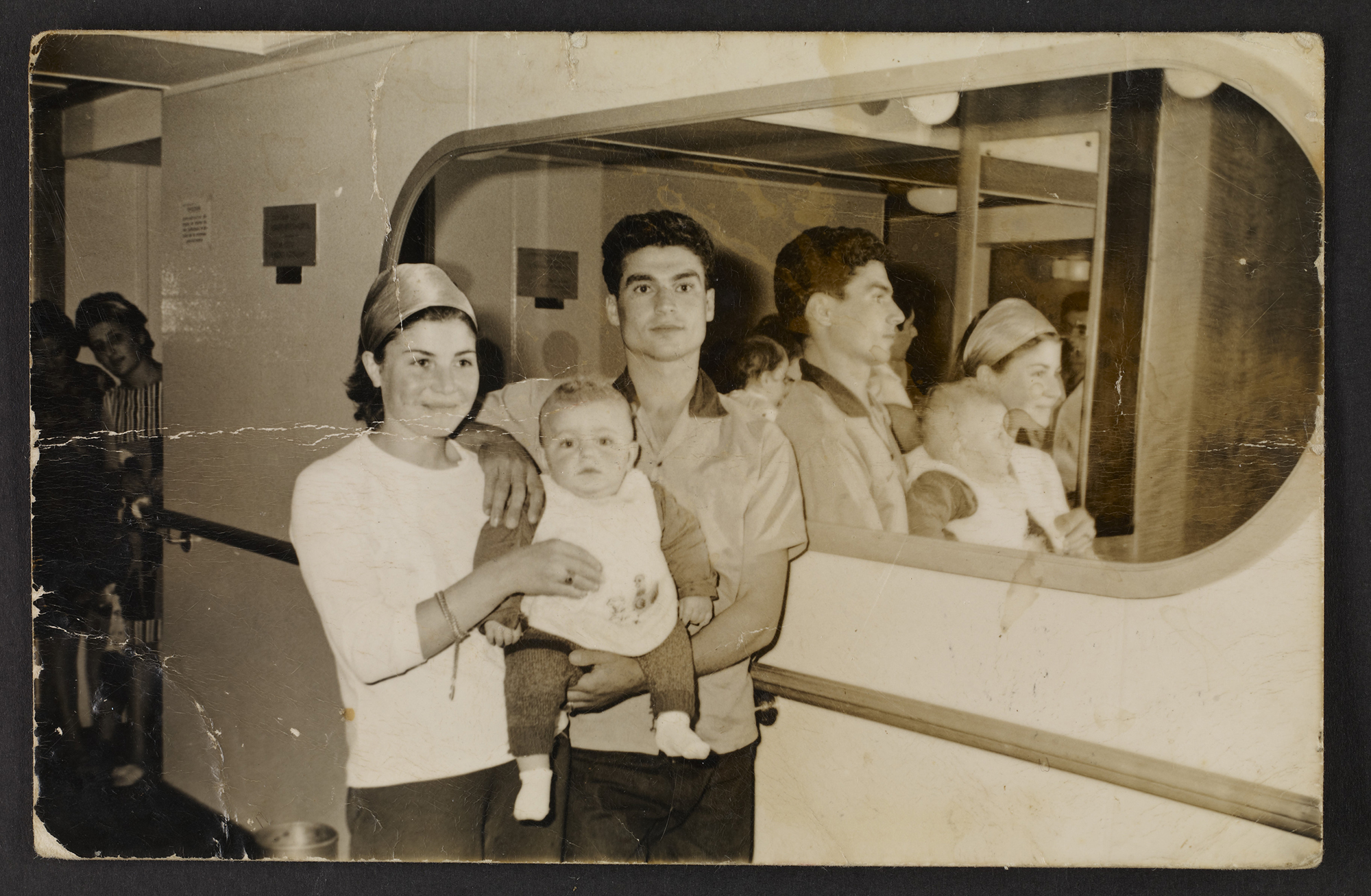
After receiving a letter from his brother-in-law praising the economic opportunities in Australia, Youssef and his wife Nadimie migrated in 1965 with their three children.
He later sponsored Tansa, Romanos and his family. They all planned to stay for a few years and return to Lebanon with enough capital to establish businesses. Instead they settled permanently and could not imagine living anywhere else.
New Australians
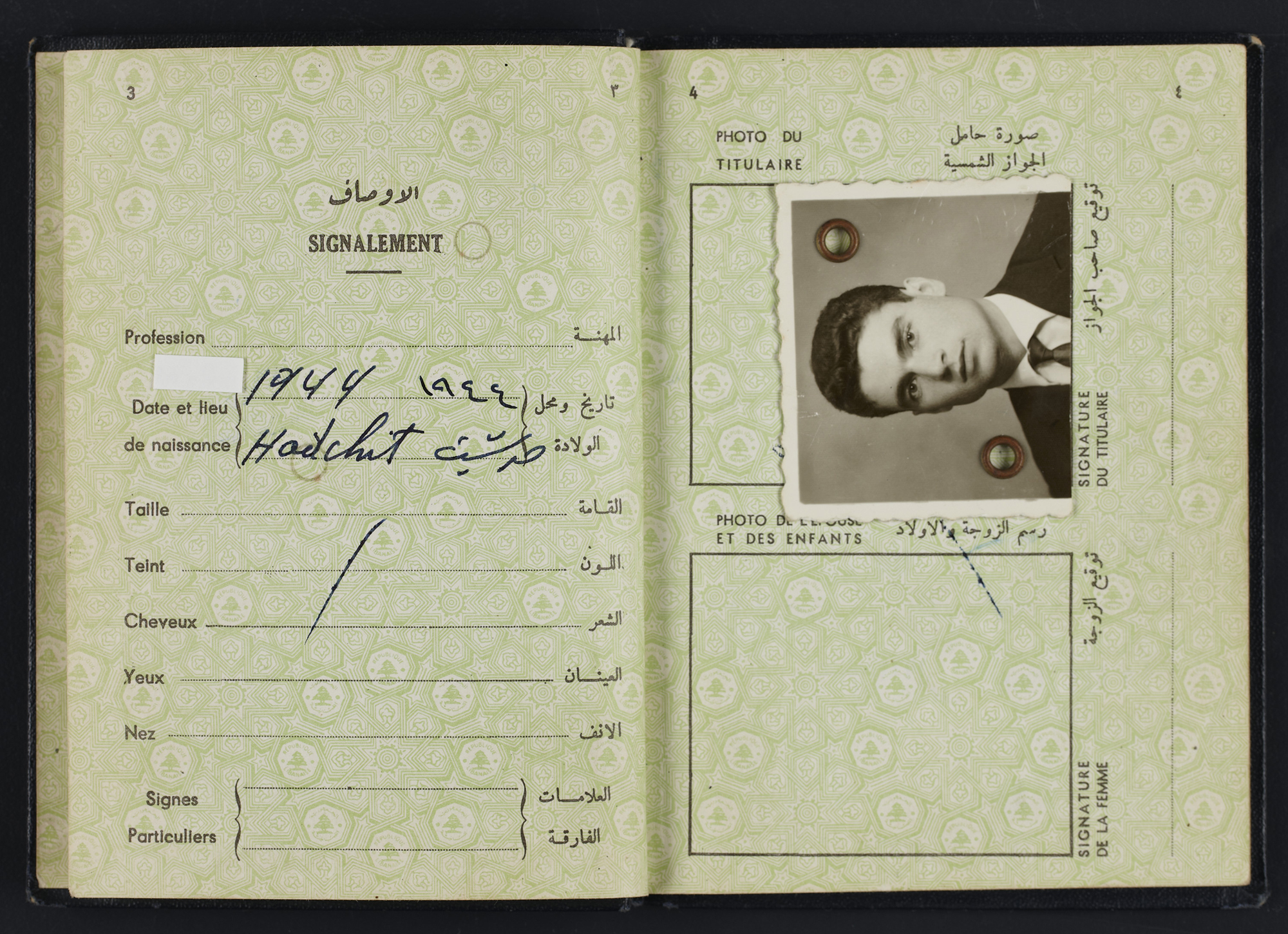
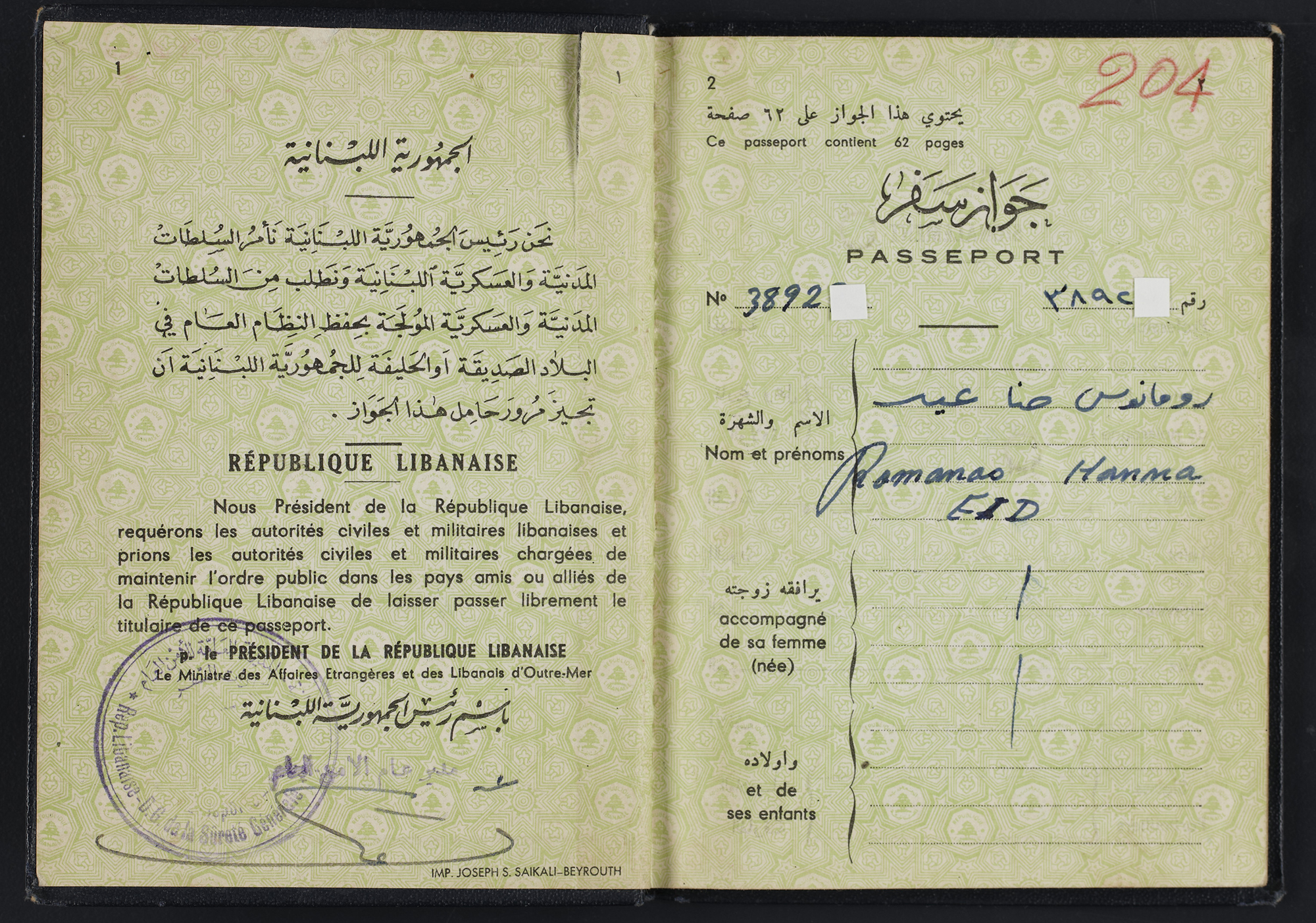
When I came here I'm not happy. I wet my pillow from crying all the time, I want to go back. — Youssef Eid, 2012
Youssef and his family first stayed with his brother-in-law in Strathmore. By the time his brothers arrived Youssef had bought a house in Essendon where they all lived until they could put deposits on their own homes.
They worked at Footscray's Bradmill Cotton Mills and Tansa studied English via correspondence.
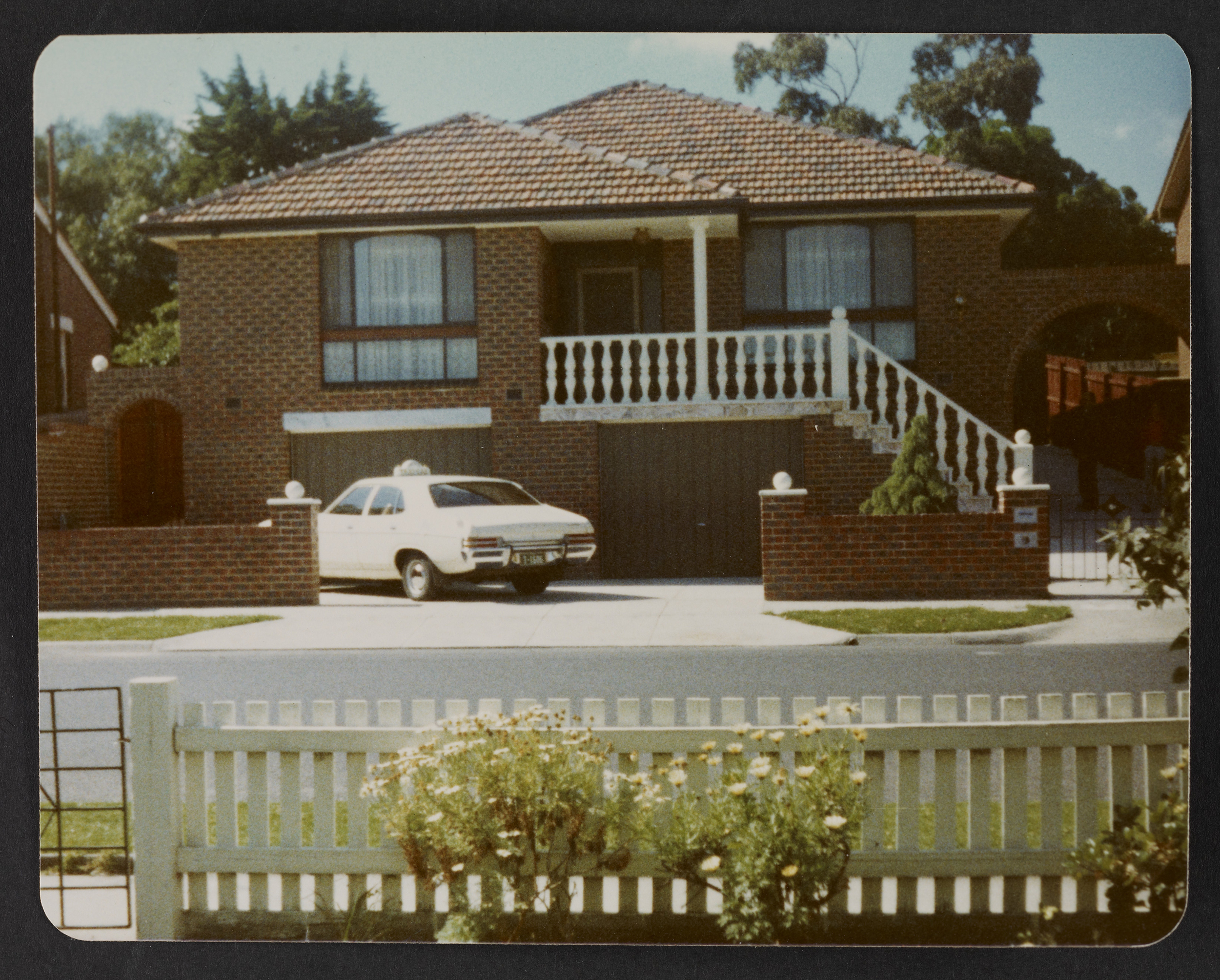
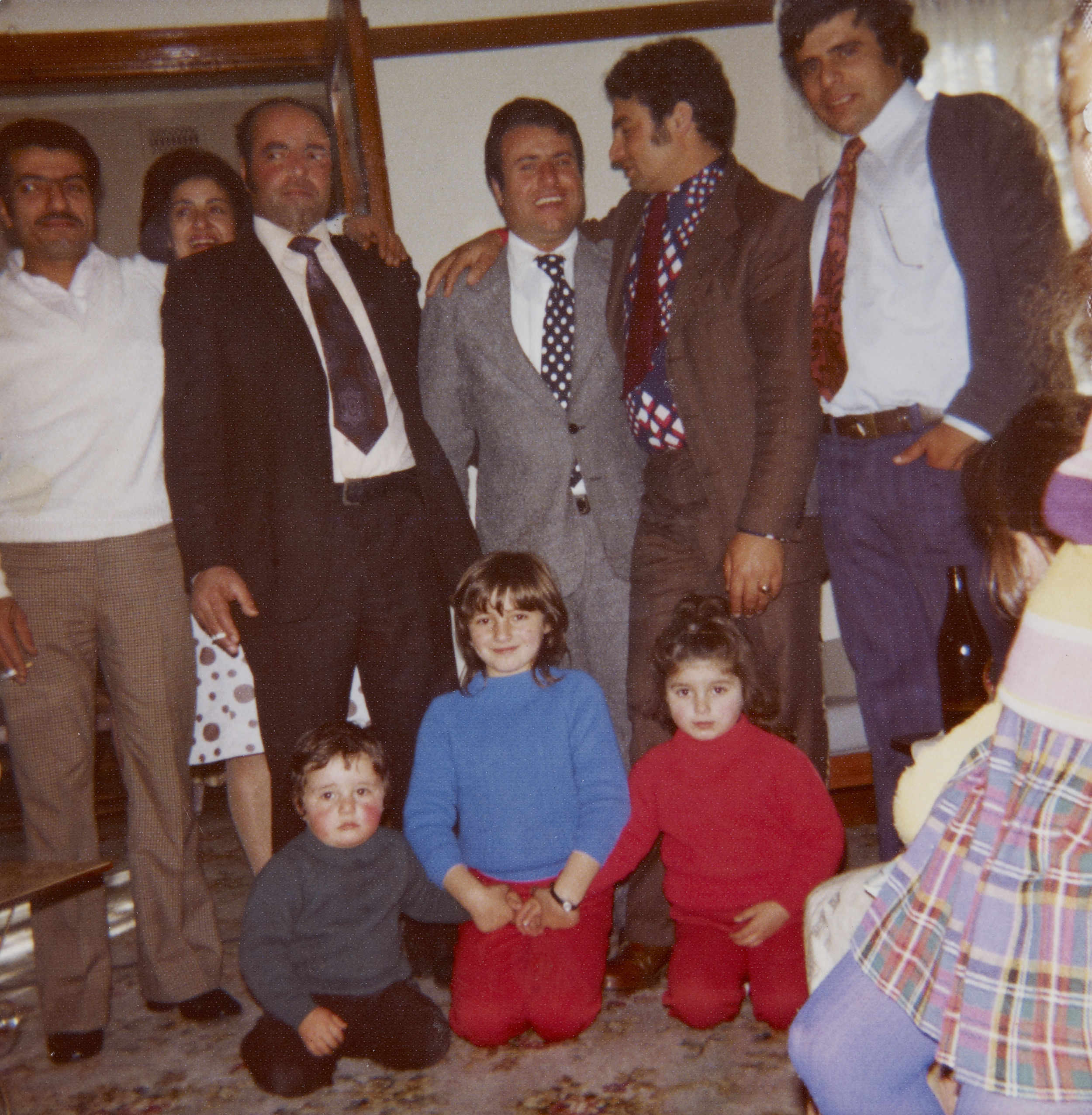
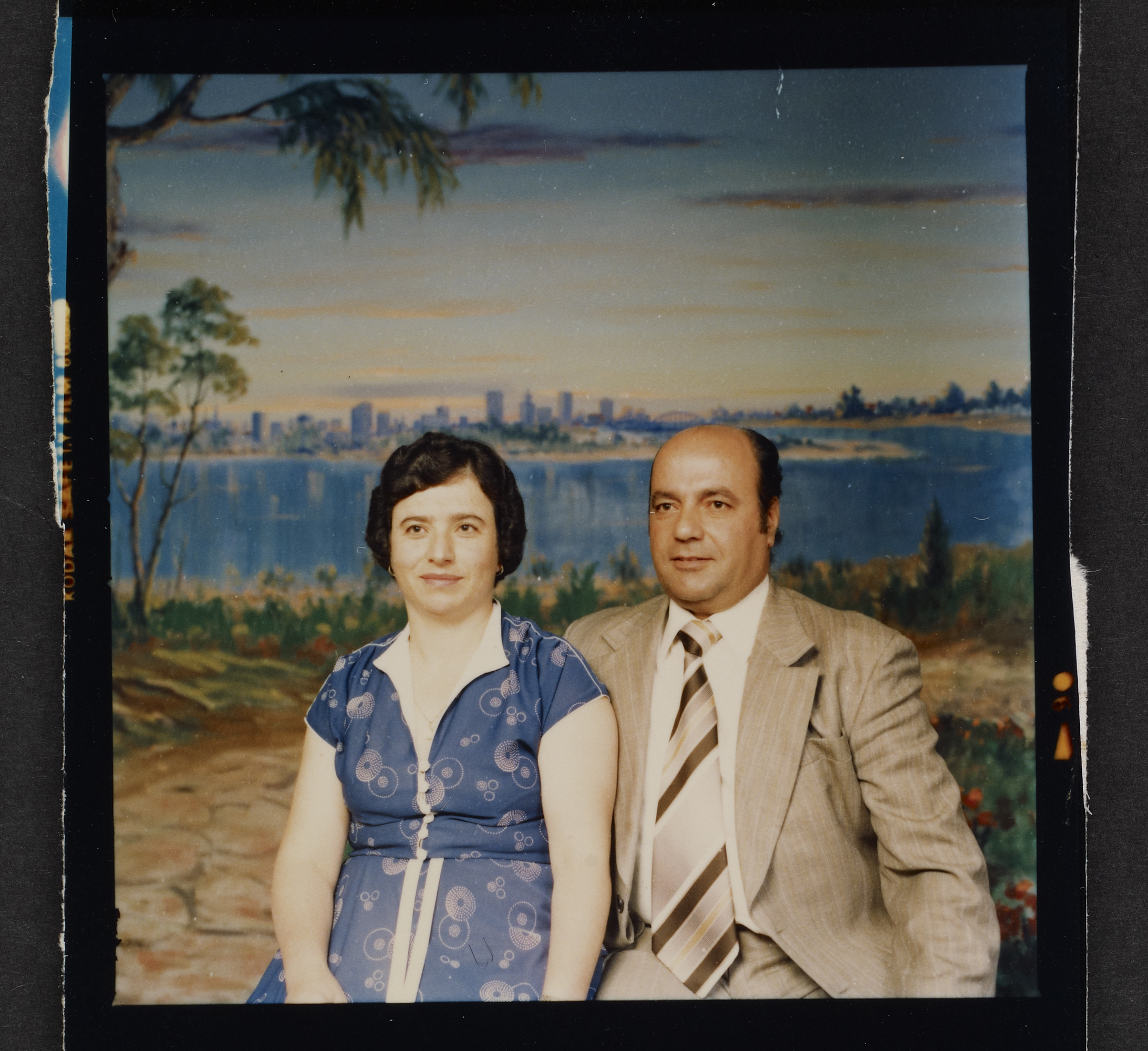
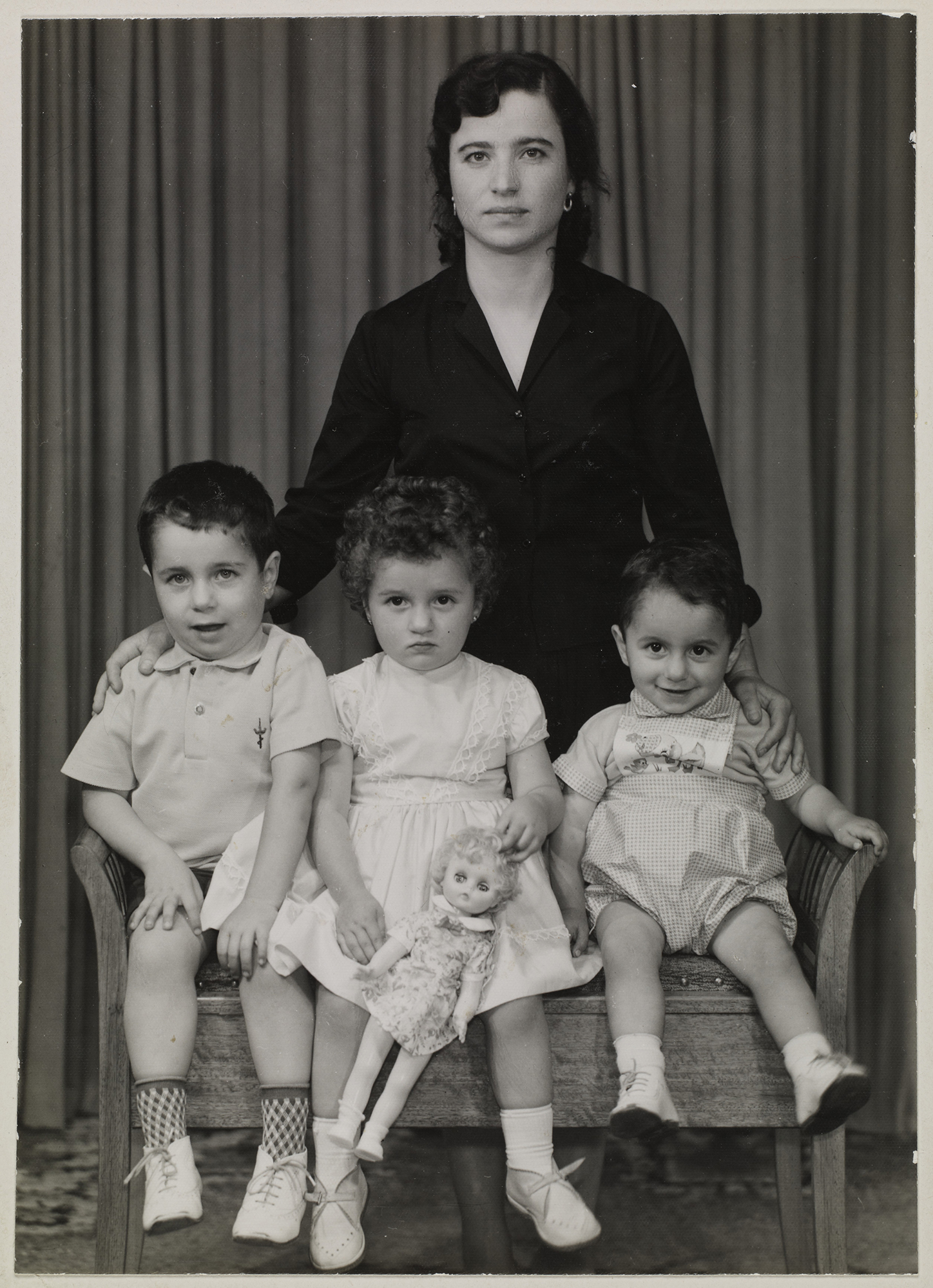
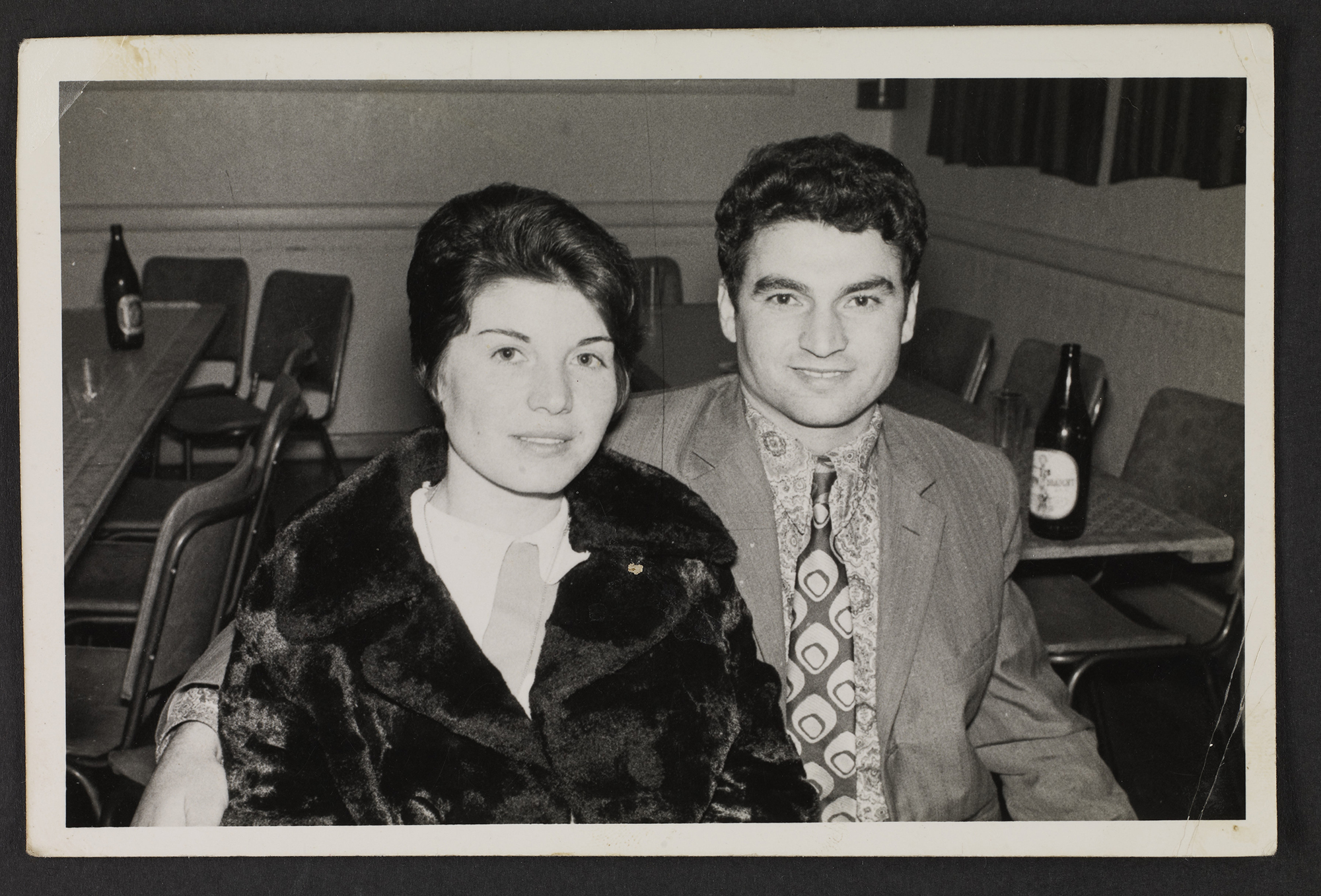
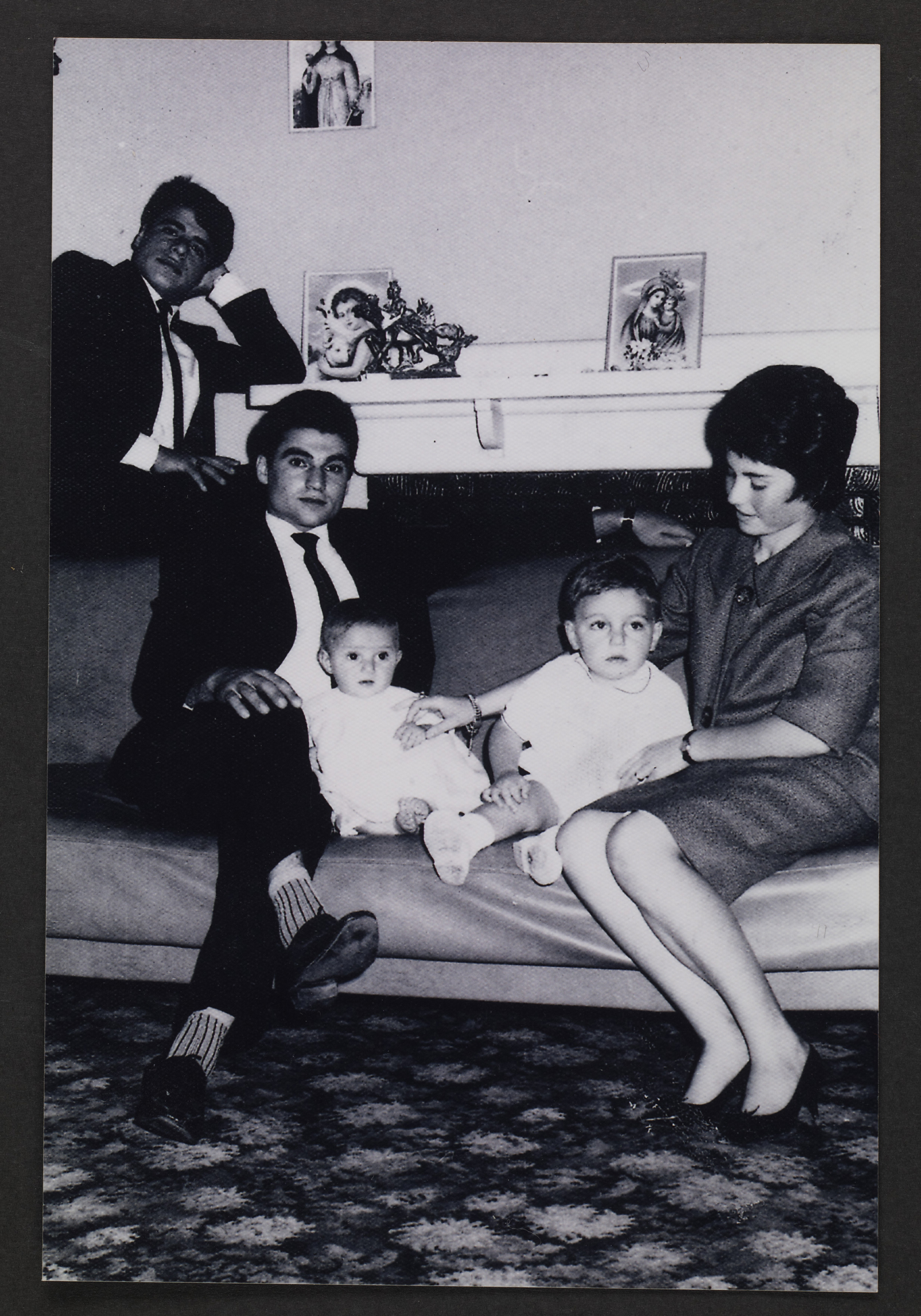
A lot of people call me wog, a lot of people told me go back to my country... In the taxi some people... ask me how many houses? I tell them I've got three, four houses, I didn't have a house. I told them I got six wives, I only have one wife, I told them a lot... to make them upset. — Youssef Eid, 2012
Getting on the taxi
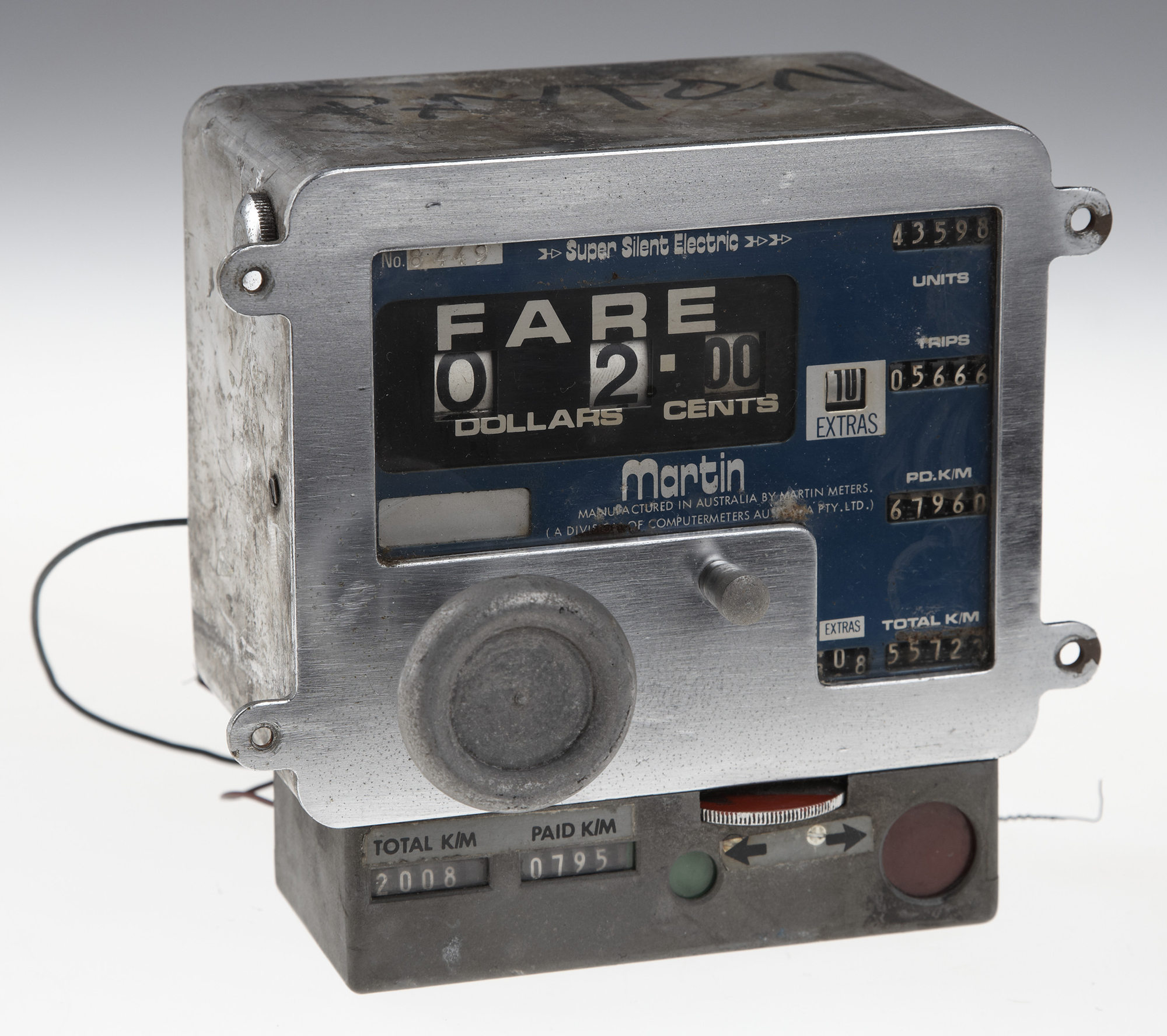
Relatives advised the brothers that while factory work paid $50 a week, they might make $400 a week driving taxis.
In the early 1970s Melbourne taxi drivers were required to hold an ordinary driver’s licence for three years and pass a location test before obtaining a taxi driver’s certificate.
After six months, drivers could purchase a taxi licence for about $17 000, allowing them to own and operate a taxi business.
I had my friends there in the taxi industry and I see that they’re doing well, I thought why not try it for myself? — Tansa Eid
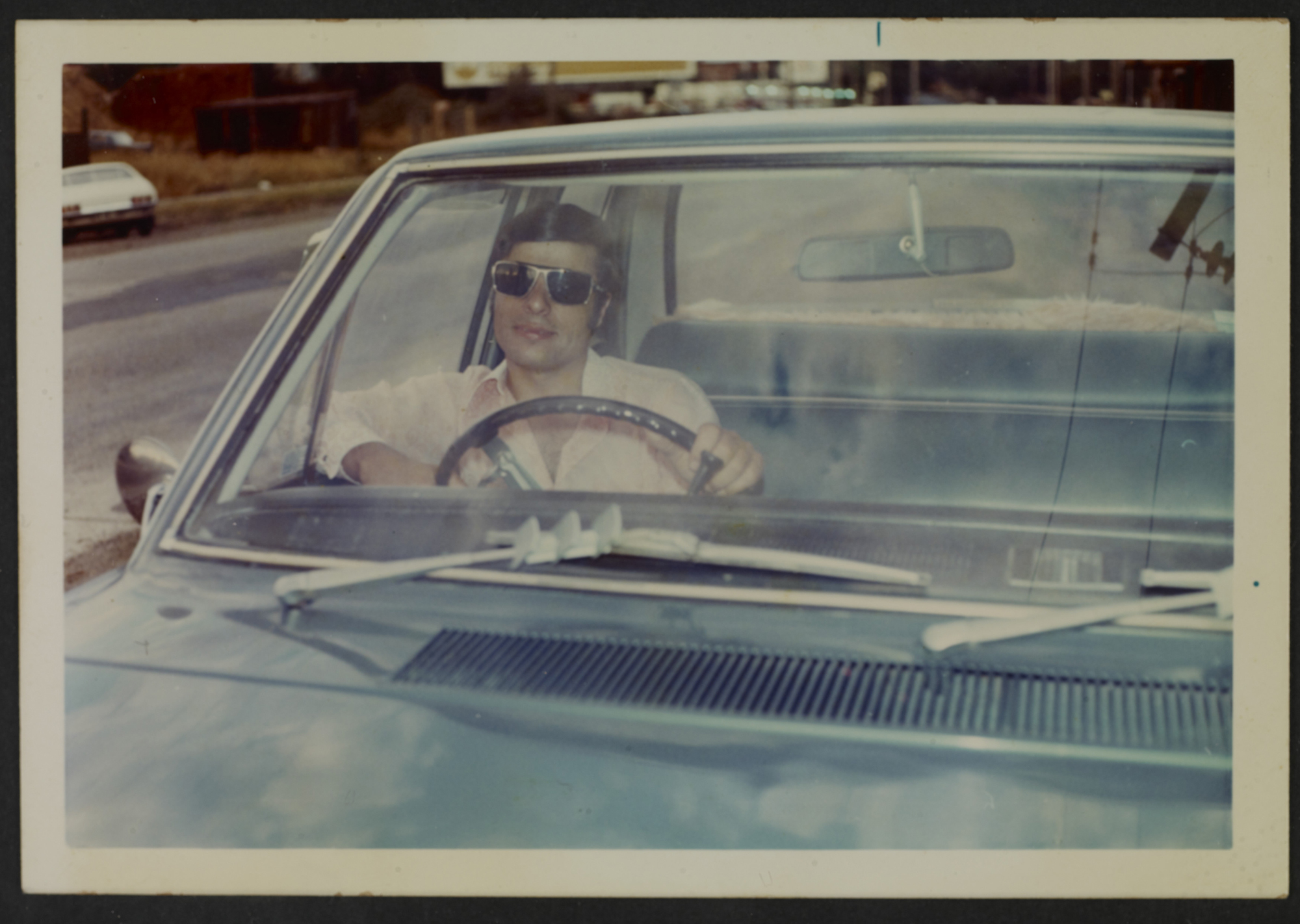
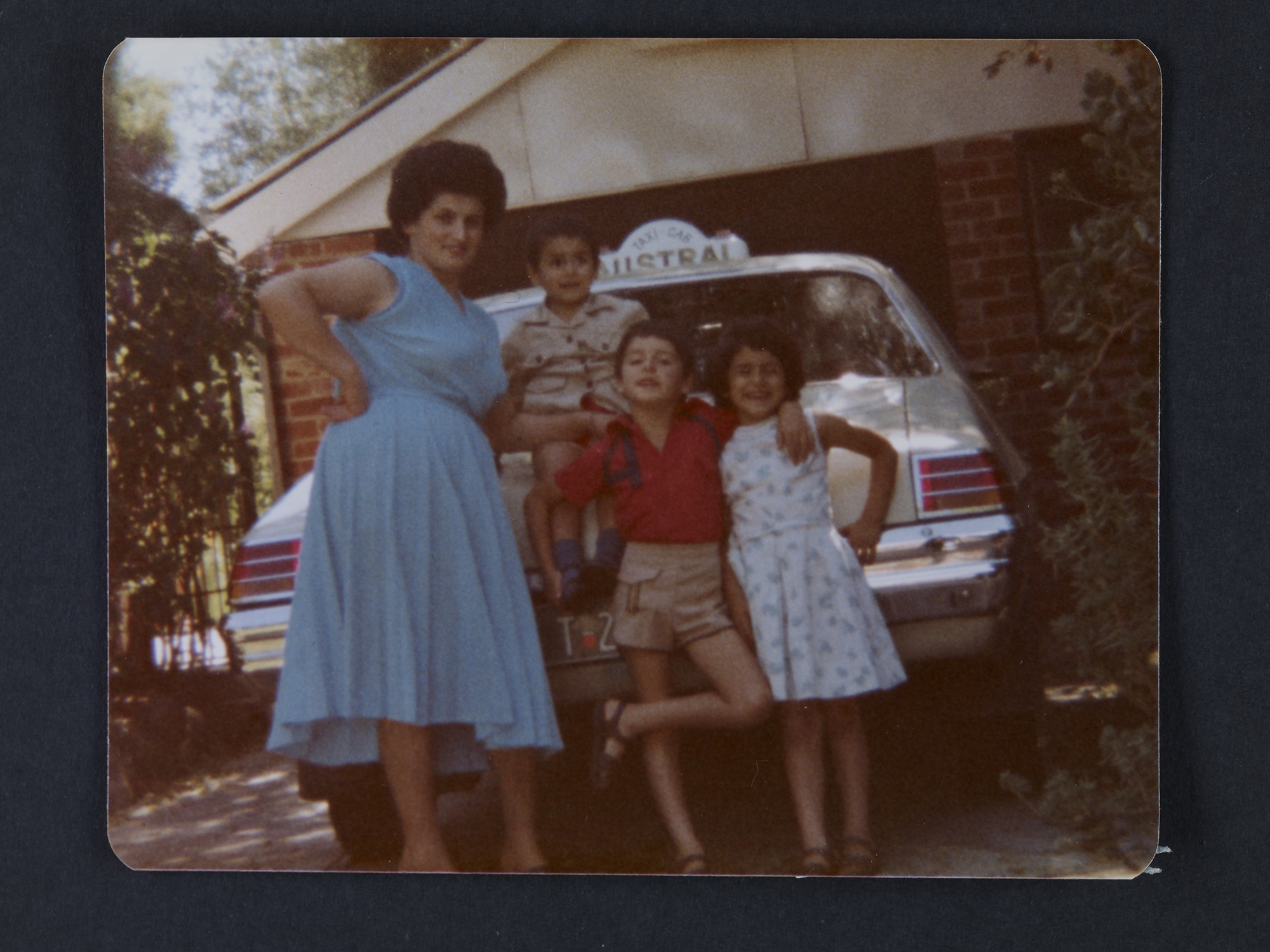
The Eid brothers decided to establish taxi businesses in the early 1970s. After working in textile factories the prospect of greater earnings and 'being your own boss' outweighed the long hours and personal and financial risks. Popping home for lunch or a coffee became rituals that reinforced their sense of freedom.

Romanos was the 'King of the airport'. His penchant for multiple-hiring and attracting skybus passengers to his taxi exemplified his entrepreneurial drive. His gregarious and jovial nature made him very popular with other drivers.
Working life
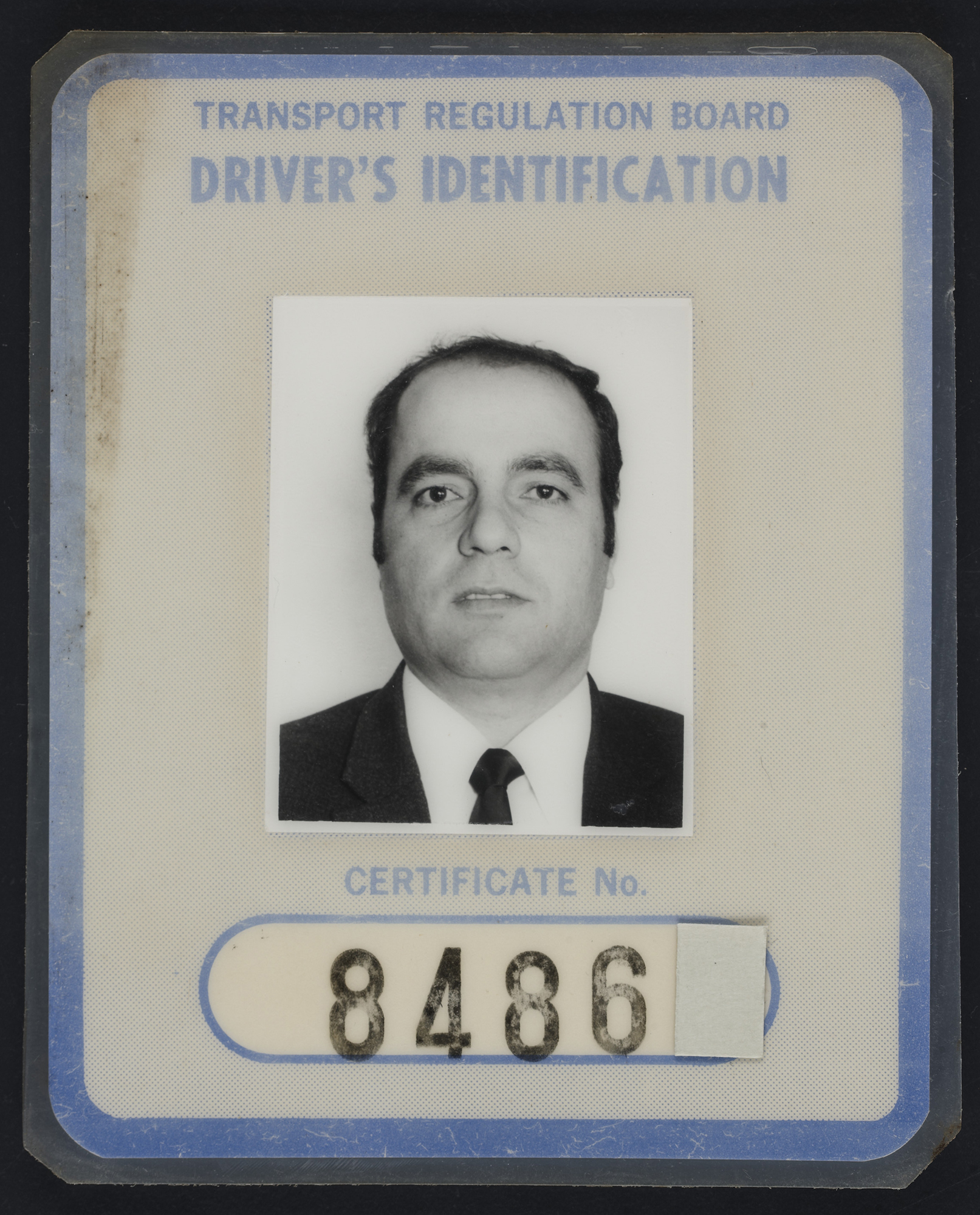
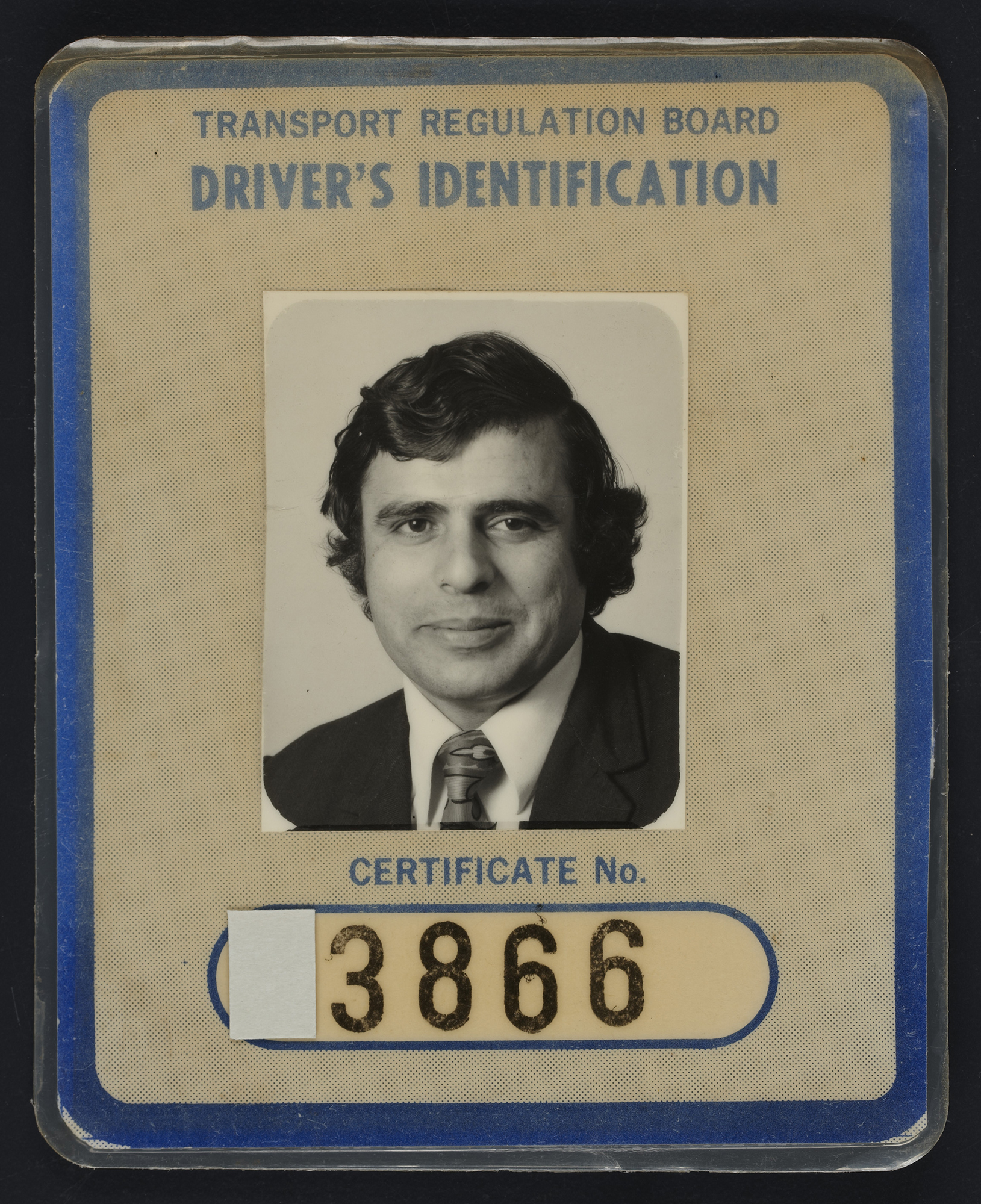
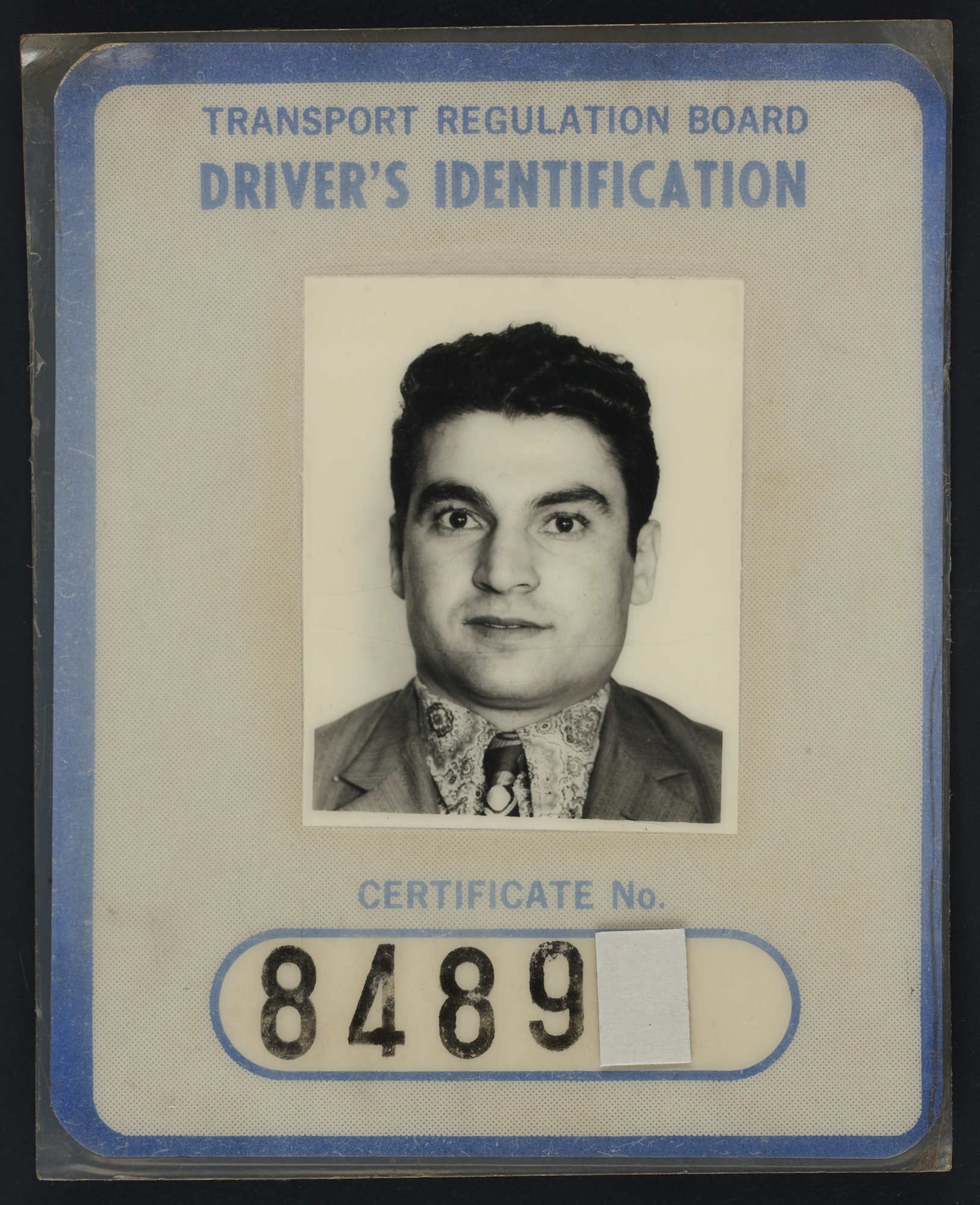
The Eid brothers often socialised with other taxi drivers at the Moonee Ponds rank. Handling 'the good, the bad and the ugly' in the back seat of their taxis became a way of life.
Youssef was firm with his passengers and he didn't suffer fools. Tansa was a stickler for rules, preferring to use psychology to get out of tricky situations in his taxi.
While waiting for a fare they told jokes, shared stories and advice on being 'street-smart'.
One night a couple of troublemakers got into my taxi and immediately began insulting me. I knew I had to get rid of them fast. I put the car in drive and turned the ignition. The car wouldn’t start. I pretended to be frustrated and asked them to push-start the car. Once they were out of the taxi I quickly drove away. — Tansa Eid
Taxi Talk
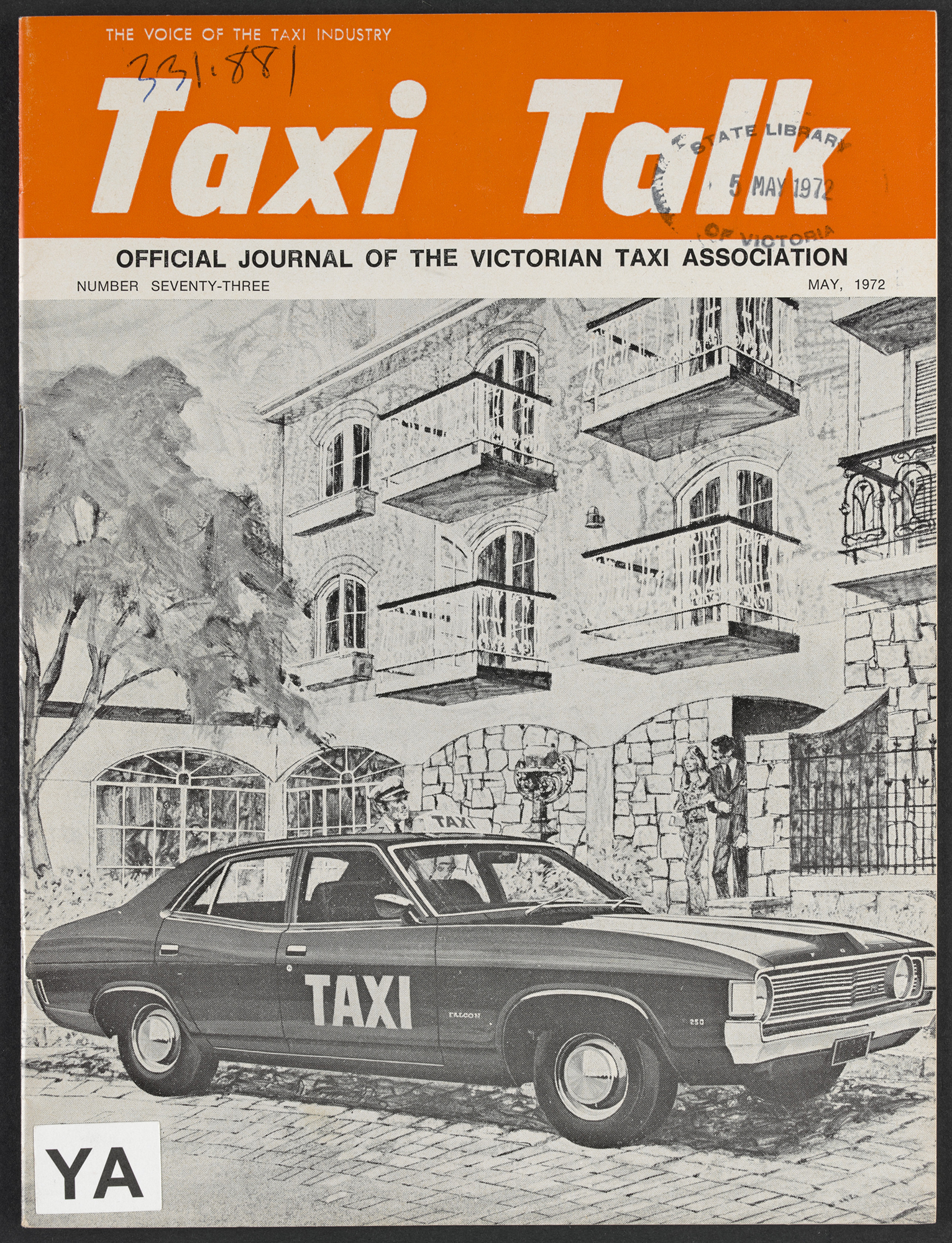
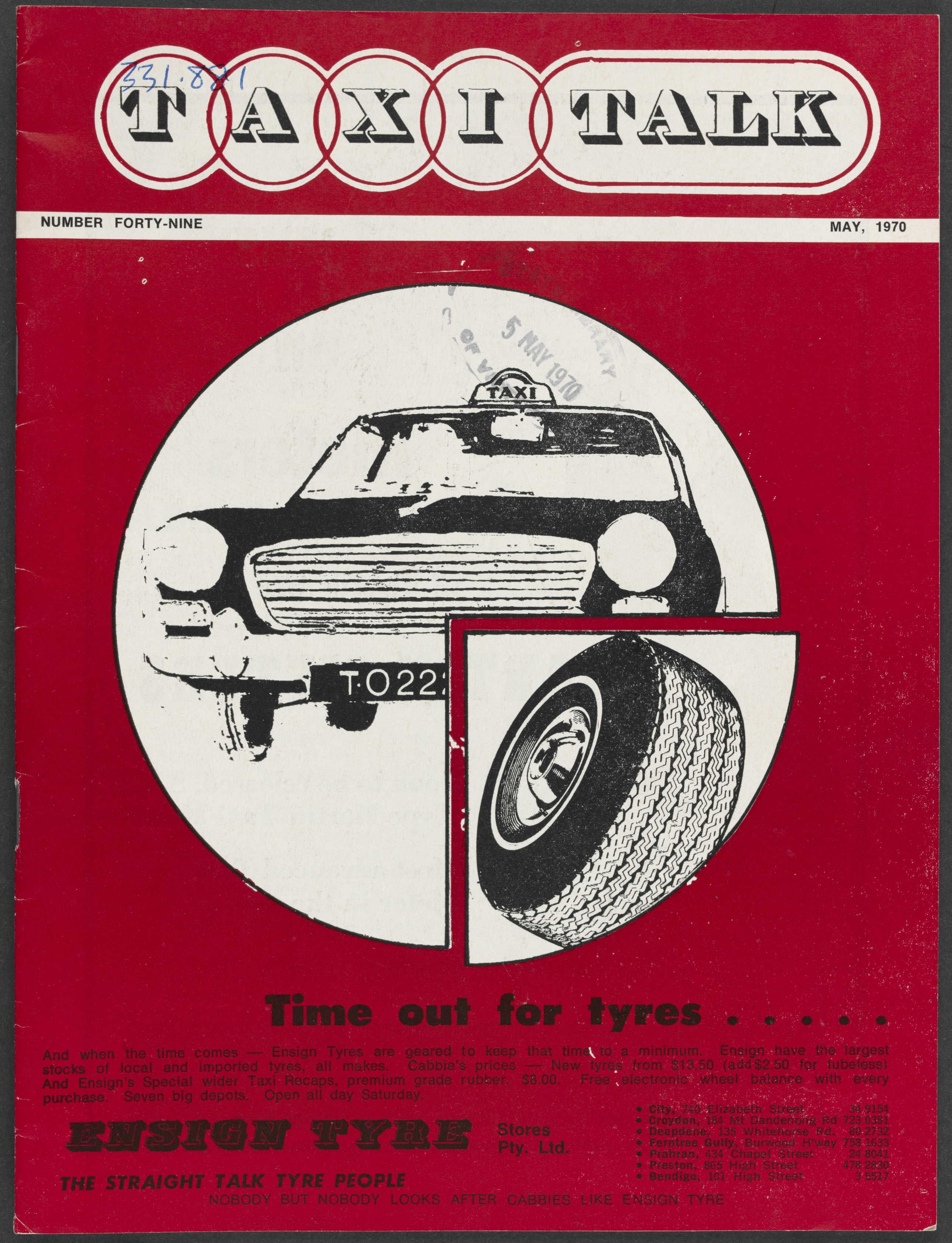
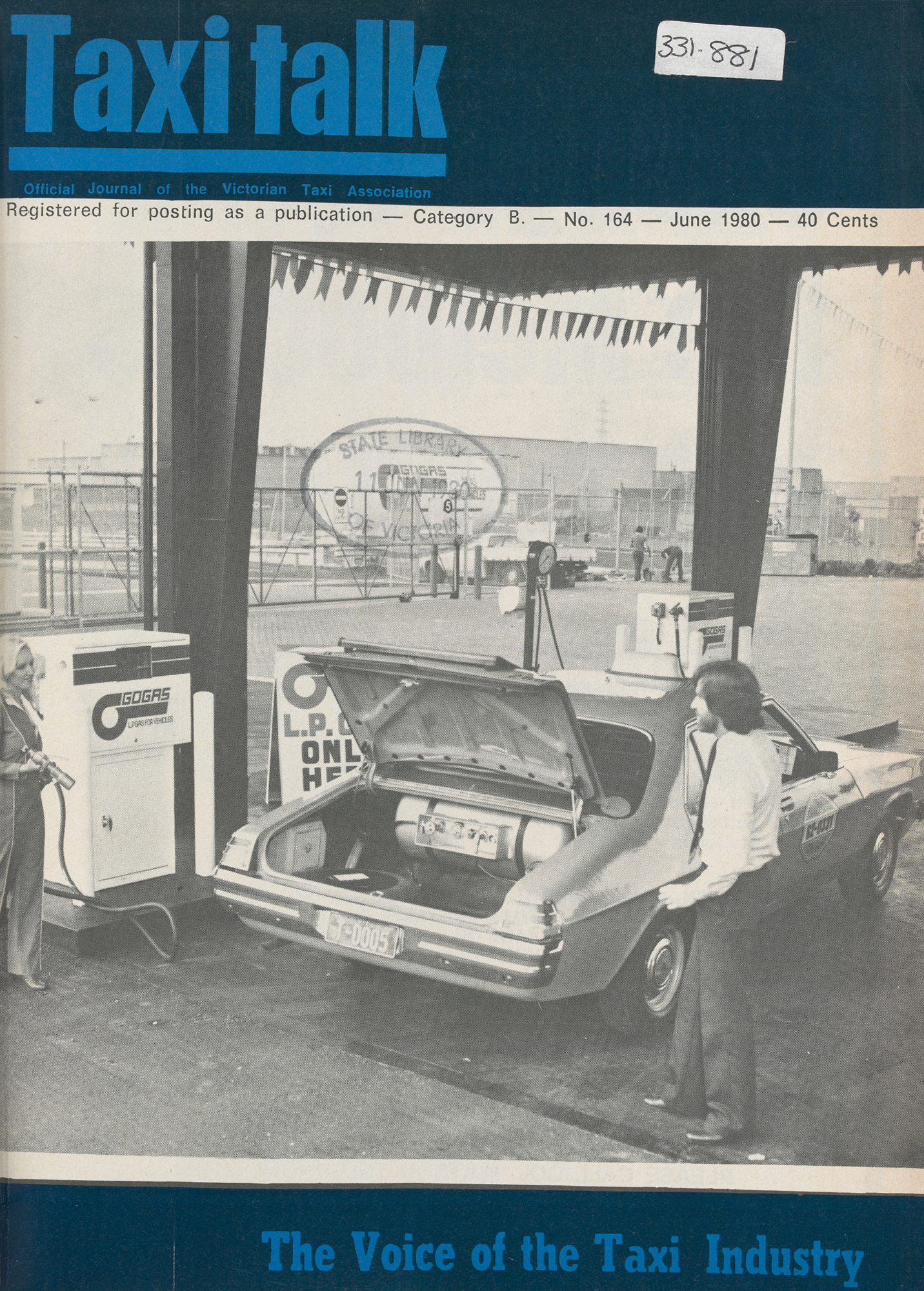
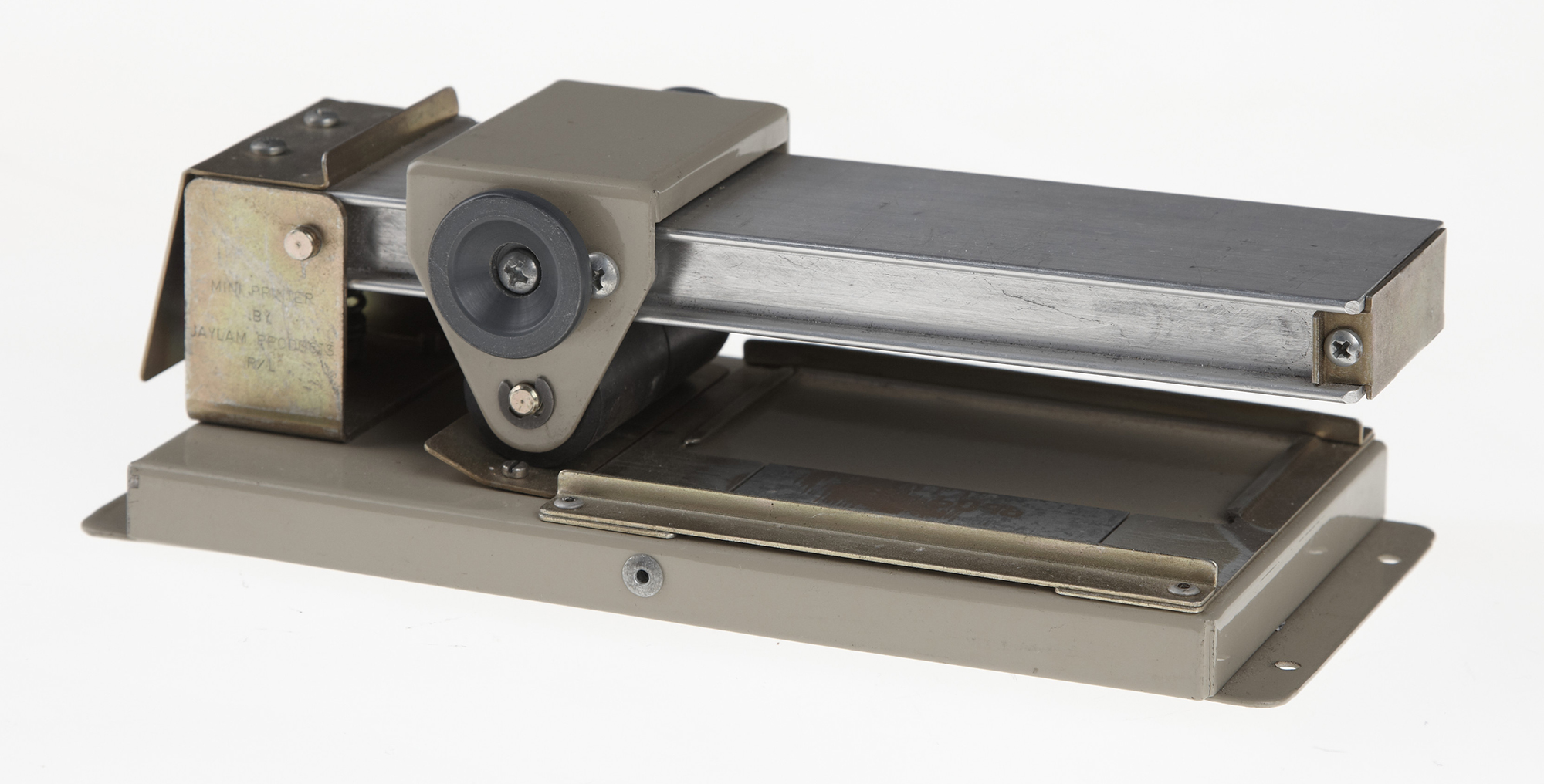
Taxi Talk magazine was established as a monthly trade journal for the taxi industry. It provides a unique insight into the changing face of the Victorian taxi industry from 1966 to the present day.
Its pages are filled with taxi news, advertisements and jokes. Youssef, Romanos and Tansa often read Taxi Talk while waiting for a fare.
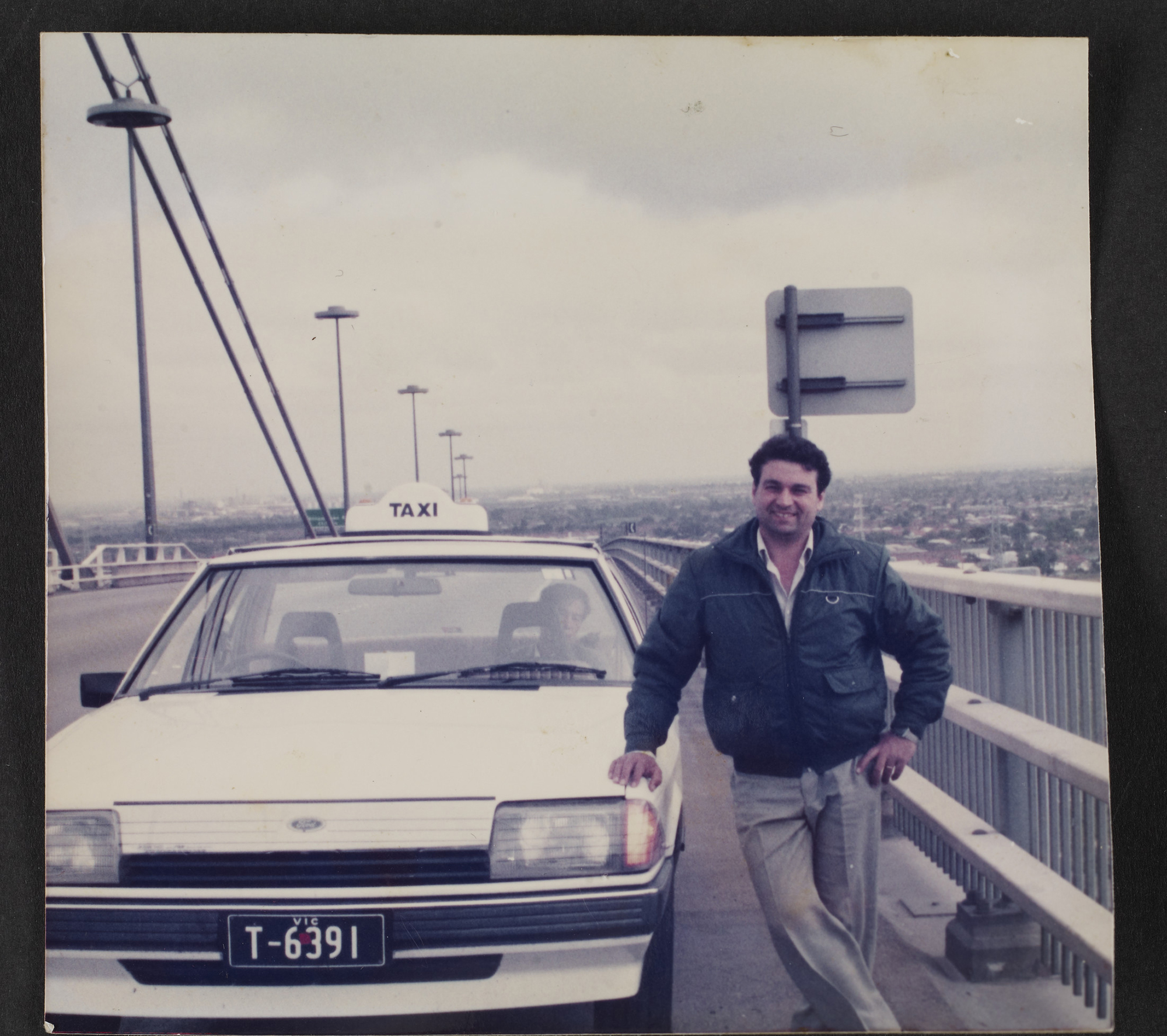
I was very lucky on the taxi. I had a good time. I had lot of friends at the airport, all nationalities, we were like brothers, we would play games... If it wasn't for my health I would still be working. — Romanos Eid, 2012
Dangers of the job
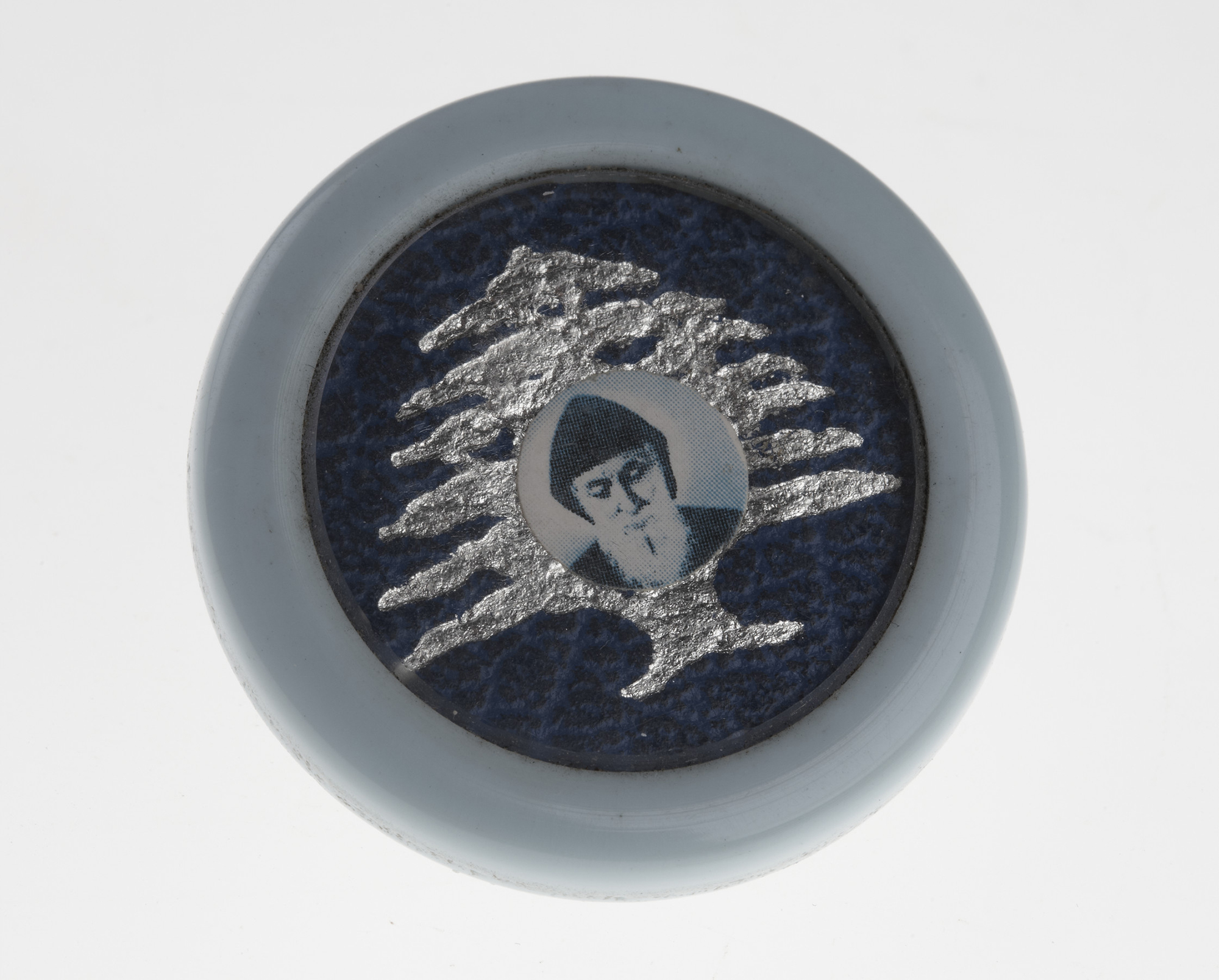
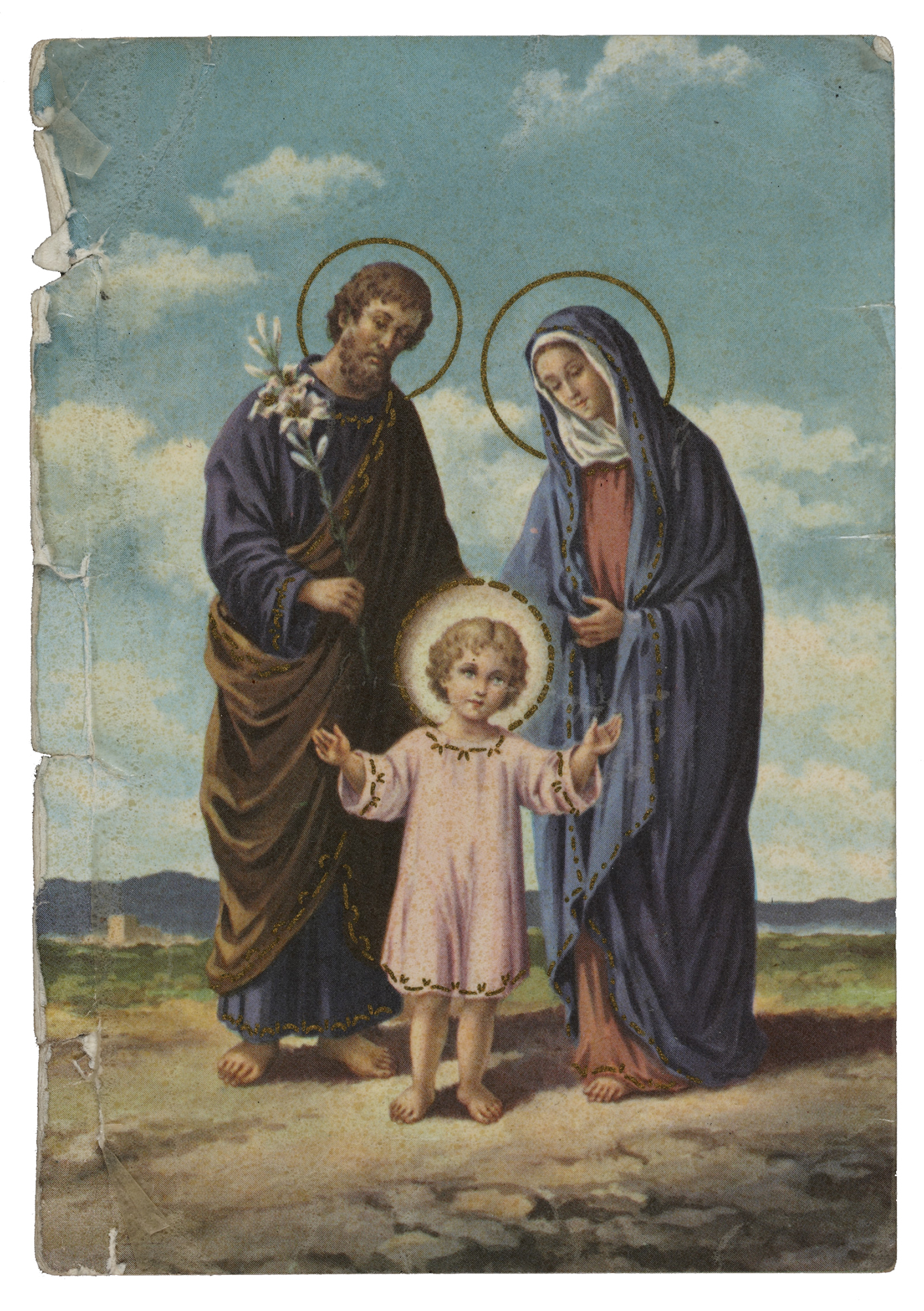
Youssef, Romanos & Tansa hung Christian icons in their taxis for protection. A postcard with an image of Mary and Jesus was always placed on the back of the sun visor in Tansa's taxi.
During the 1980s both Youssef and Tansa proudly displayed medallions of Saint Charbel, a Lebanese saint, in their taxis. However the depiction of his long, dark beard provoked passengers to constantly ask why they had a picture of Khomeini, the Iranian leader, in their taxi. They soon removed the medallion and decided to only display western Christian images.
I used to go to my brothers' houses to see if they made it home, when we first started. We used to get scared, there was trouble, there were some Lebanese cab drivers that were killed before I started, maybe 35 years ago in Ballarat, it was not safe at night. — Romanos Eid
Taxi weddings
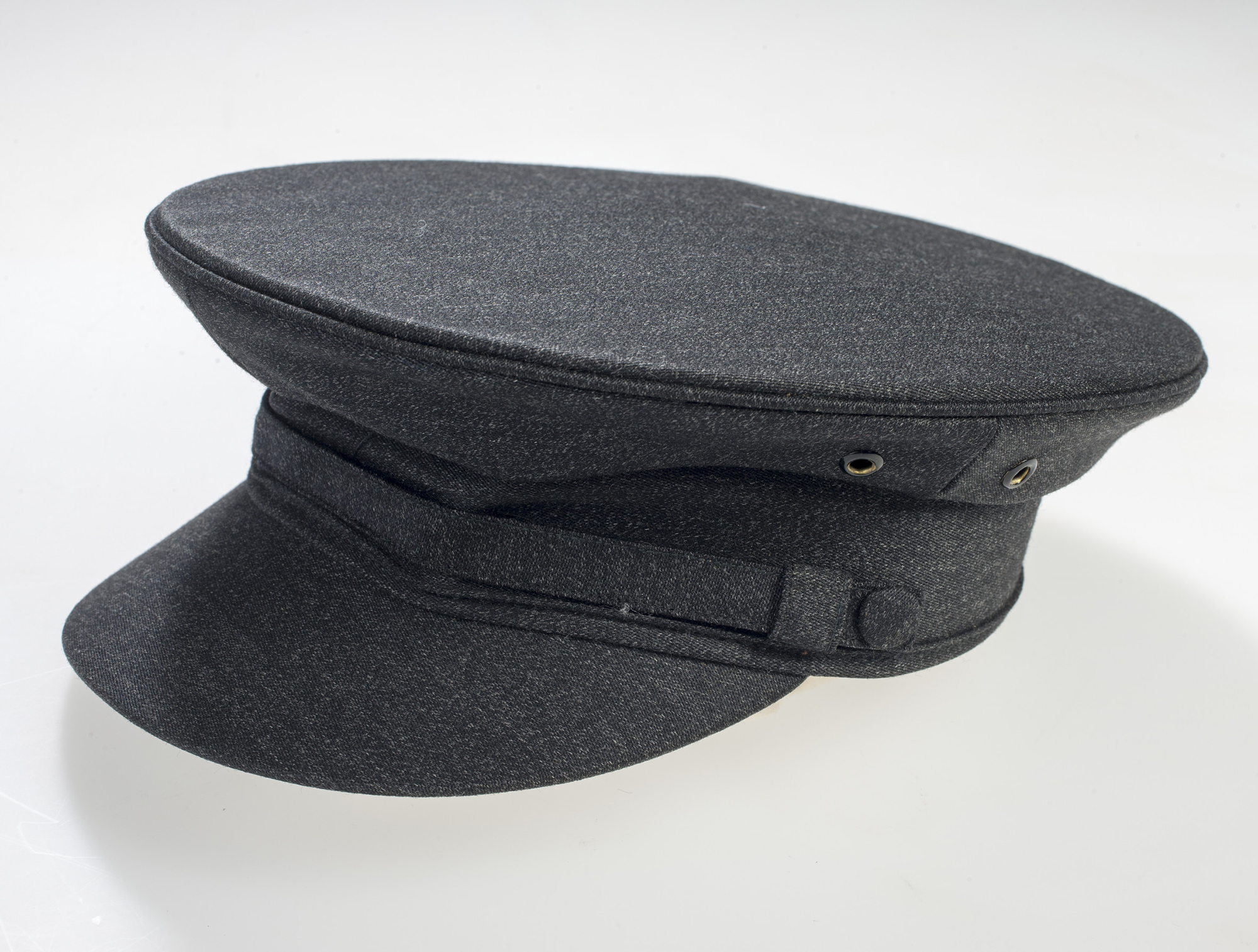
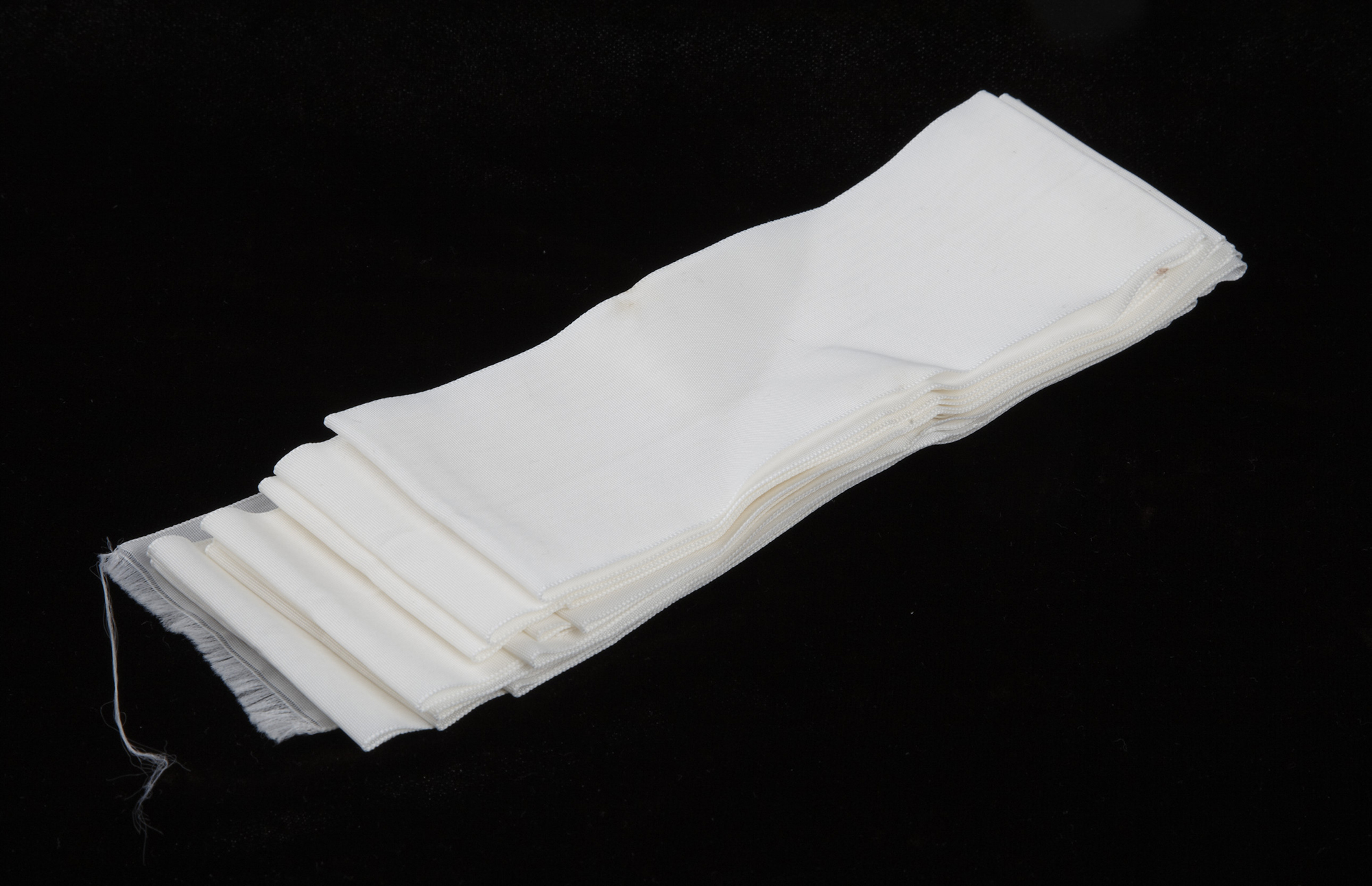
Taxicabs have long been hired for wedding parties, theatre outings and balls. In the 1970s the Eid brothers often chauffeured brides to their weddings.
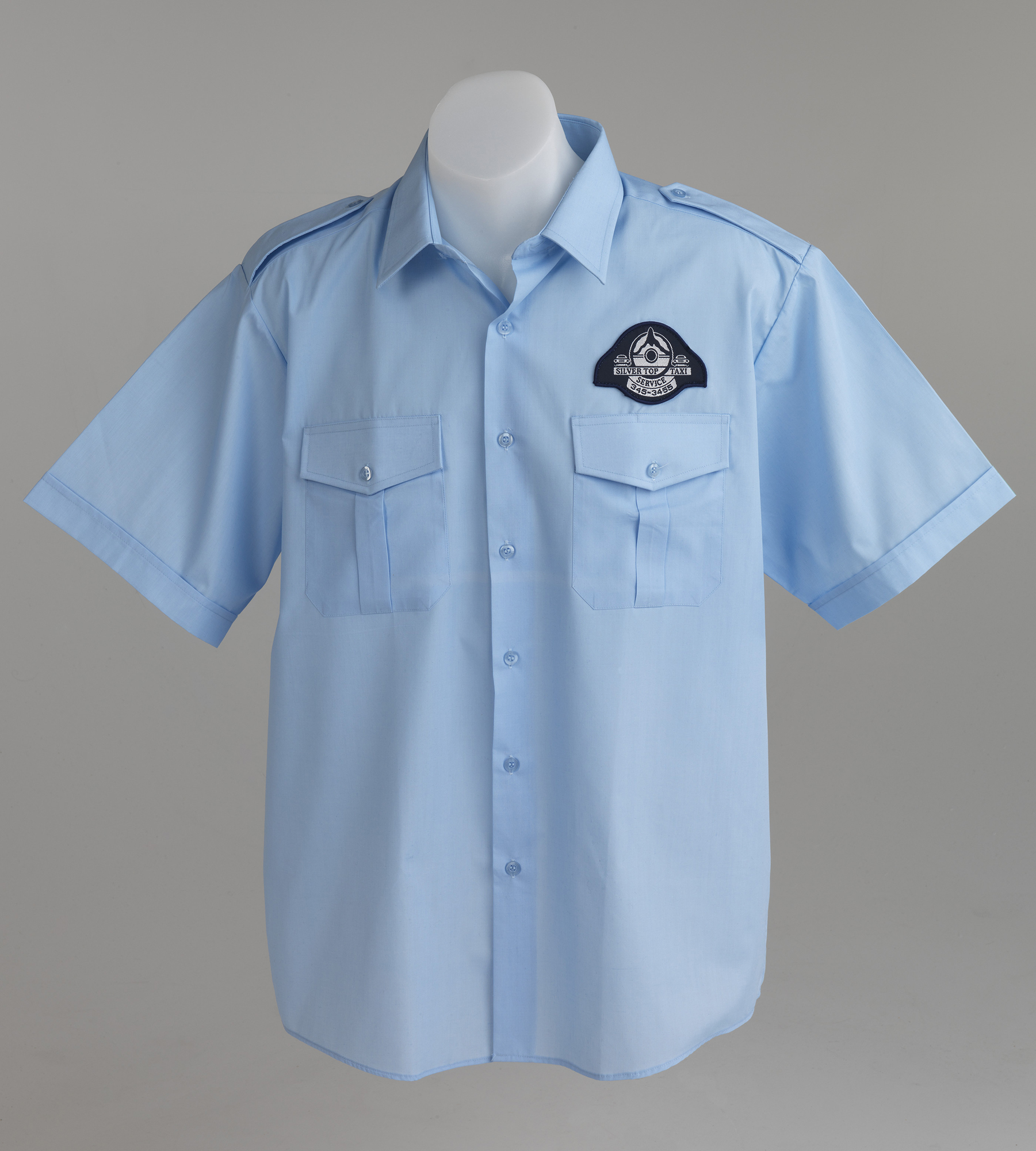
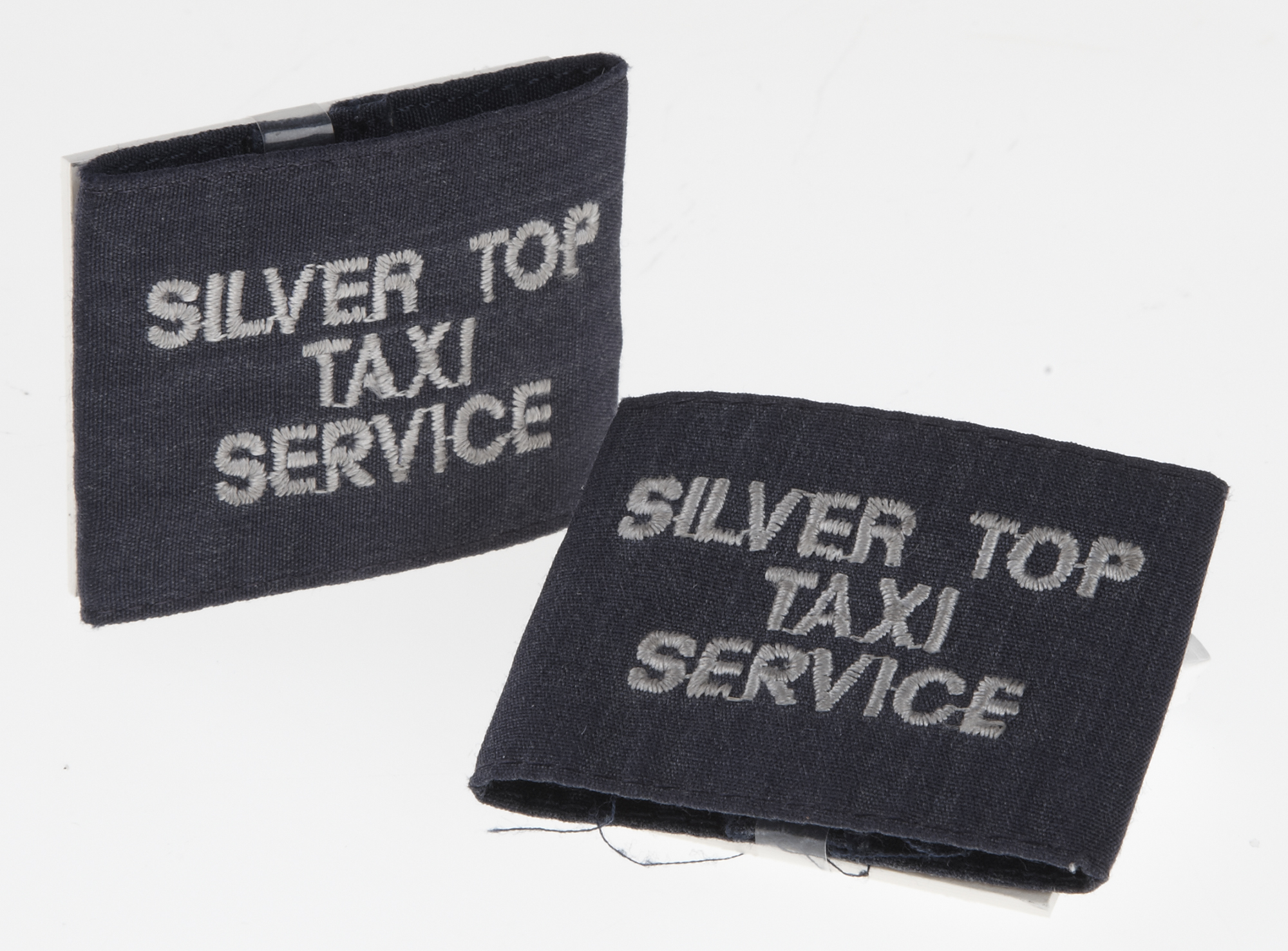
They wore grey suits with shirts, ties, chauffeur hats and gloves. Their taxis were black, immaculately cleaned and adorned with white ribbon.
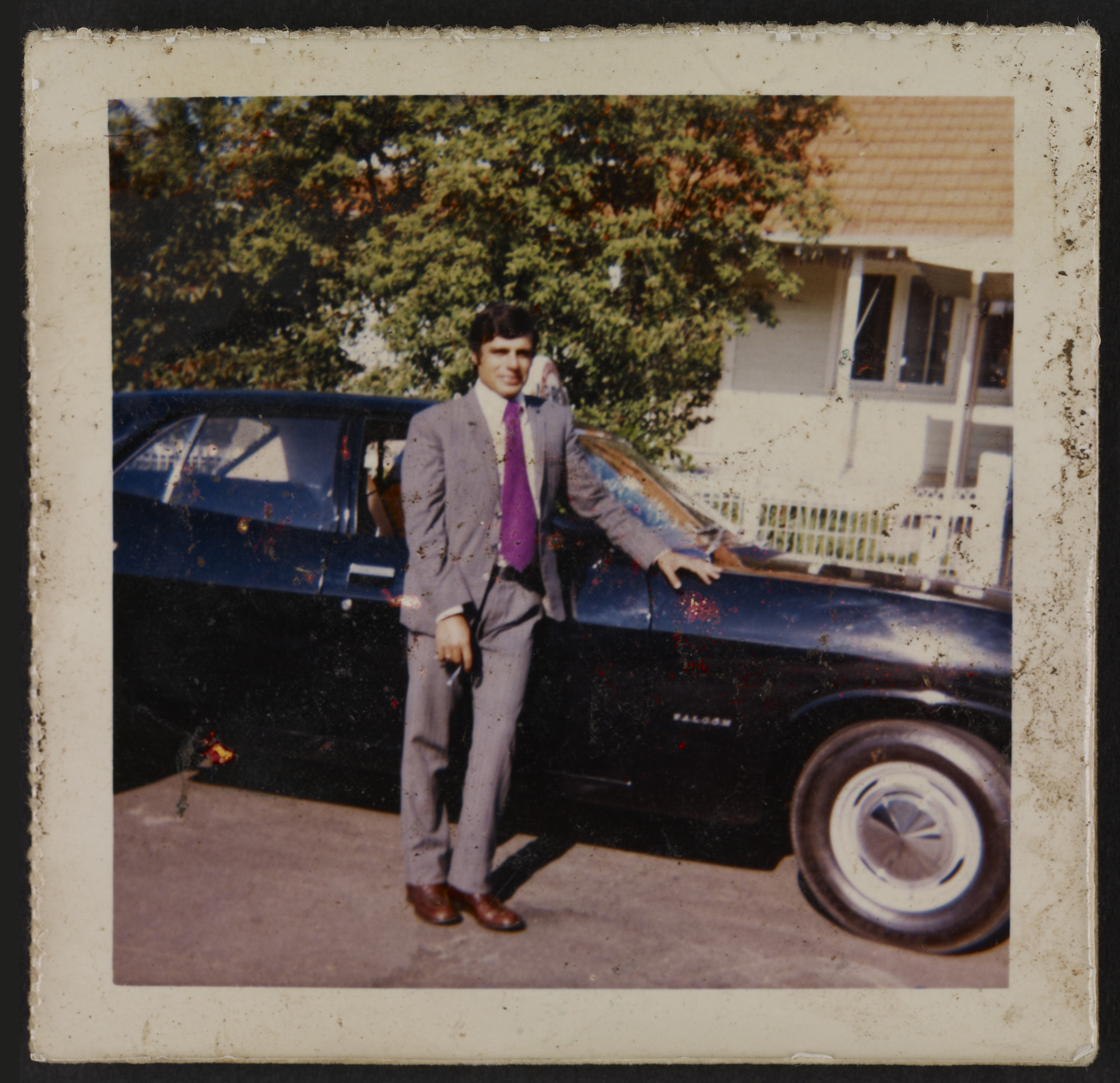
My first taxi was an old black limousine car. I was very excited about starting my first business and with a limousine. I could do weddings ... My first day on the taxi I had to change three tyres, even the spare in the boot was flat! I had a very bad start. Everyday I had some problems, if it wasn't the radiator hoses it was the alternator or the starter motor or the engine. That first year I couldn’t make any money. — Tansa Eid, 2012
With over 75 combined years of driving taxis, the Eid brothers left the industry in the 1990s and 2000s – weary of the working conditions and fearful of the impact of deregulation.