Before the kit arrives
Objects tell a story
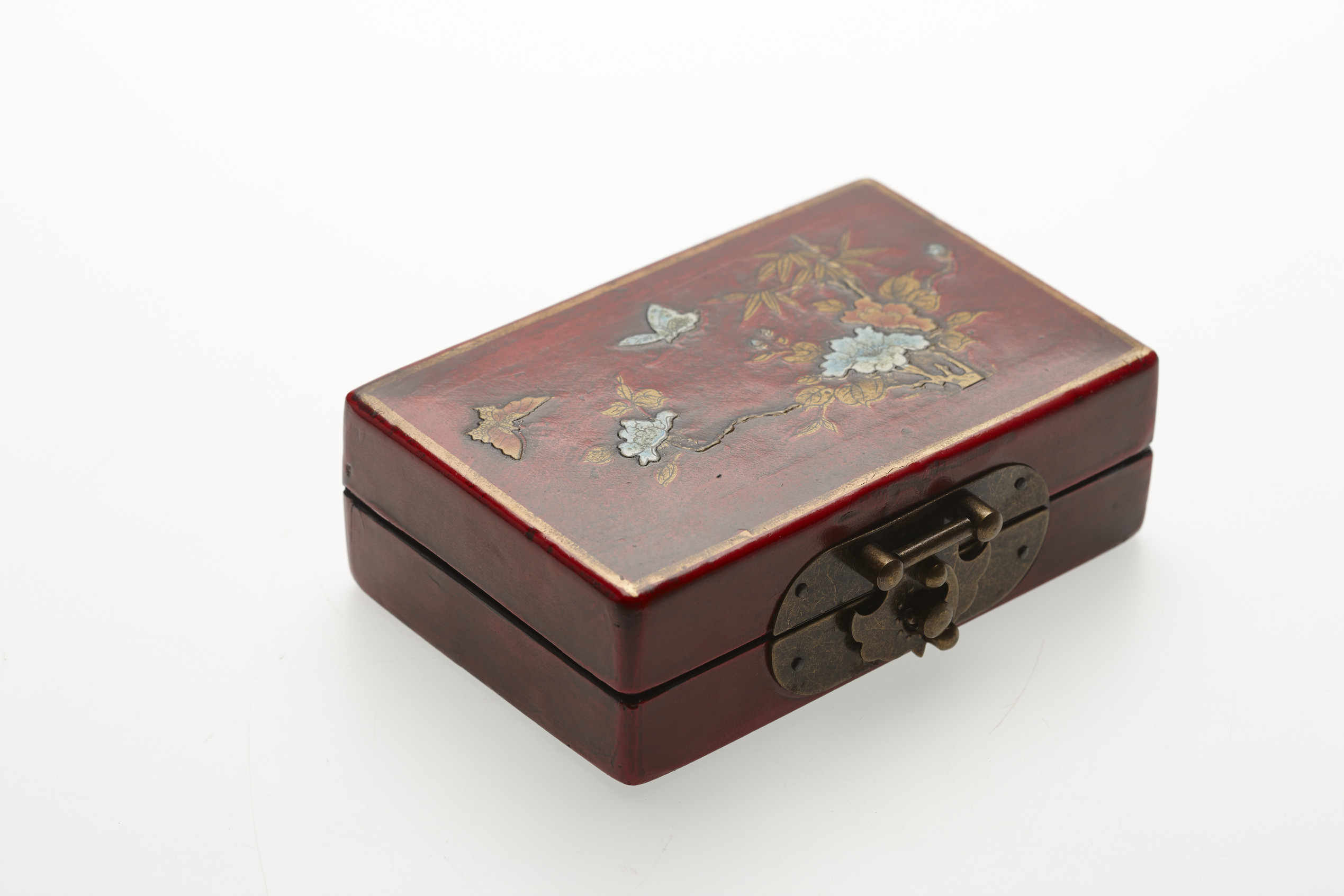
Ask students to look at an object in their classroom and/or bring a significant object from home. Discuss the idea that objects can tell stories.
- What is the object, and what is it used for?
- What is it made from?
- Where might it have come from?
- How old is it?
- Who does it belong to? What story can it tell?
- Why did you select this object to share with the class? Why is it important to you?
- Use the Small Object, Big Story resource to assist students in investigating their own objects and stories.
- Use a shared class account on a photo service to create a photographic record of your items. Create captions, using the answers to the questions above, to label the images.
Immigration to Australia
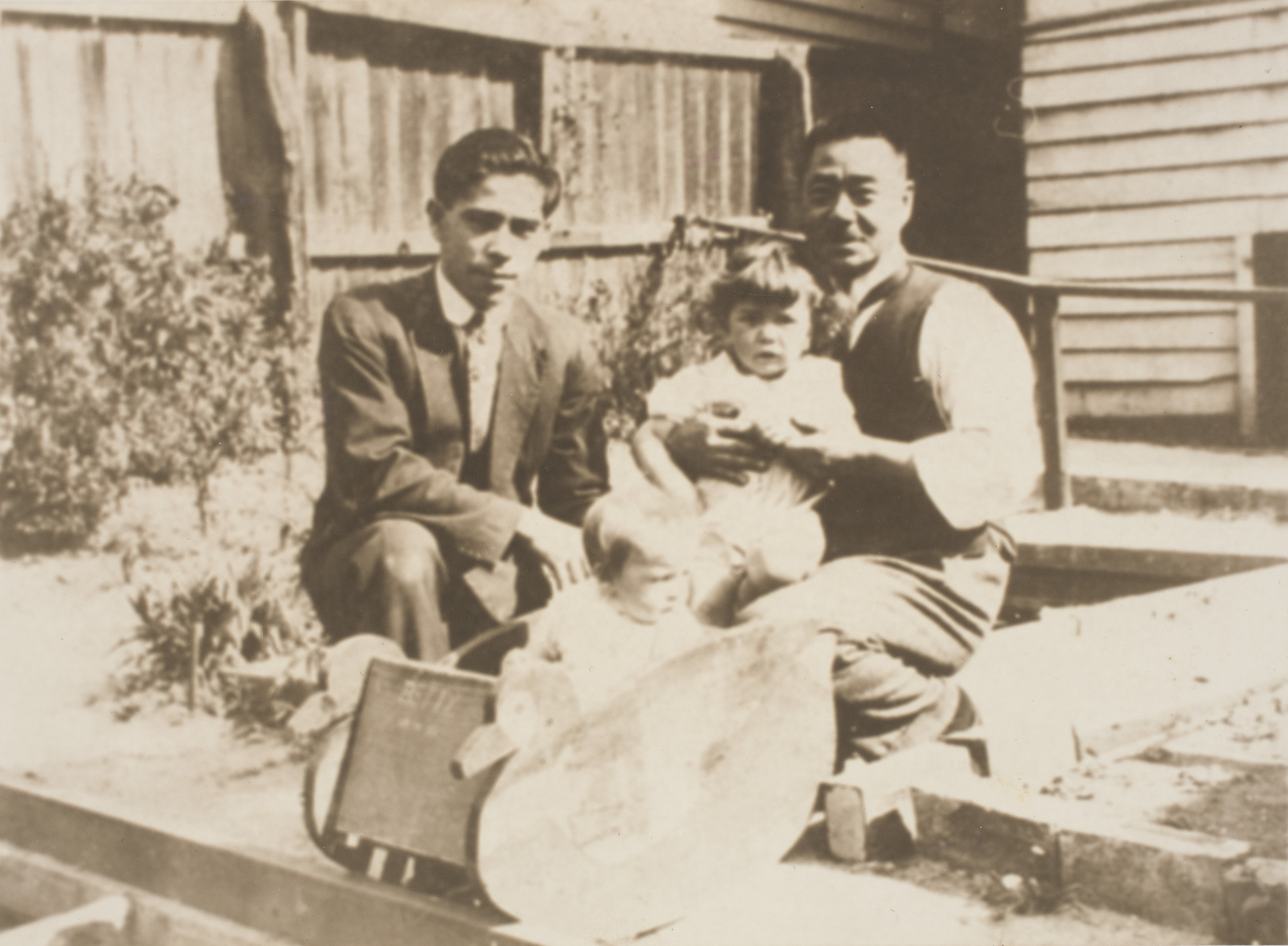
Use some of these questions to lead a discussion around the concept of immigration to Australia.
- Why do people come to Australia?
- How do people come to Australia?
- What countries do people come from? What is the origin/s of your own family and why did they come to Australia? When and how did they come to Australia?
- Have students investigate and share their own journeys to Australia or the journeys made by their families/ancestors. Possible activities could include making a map, doing a poster display or a creating a performance.
- Invite people (parents, grandparents, school volunteers) who have come from overseas to speak to the class.
- Students can interview members of their families or friends who have come from overseas. The Making History resource provides many useful tips for conducting interviews and recording family history.
Activities with the learning kit
A first look at the kit
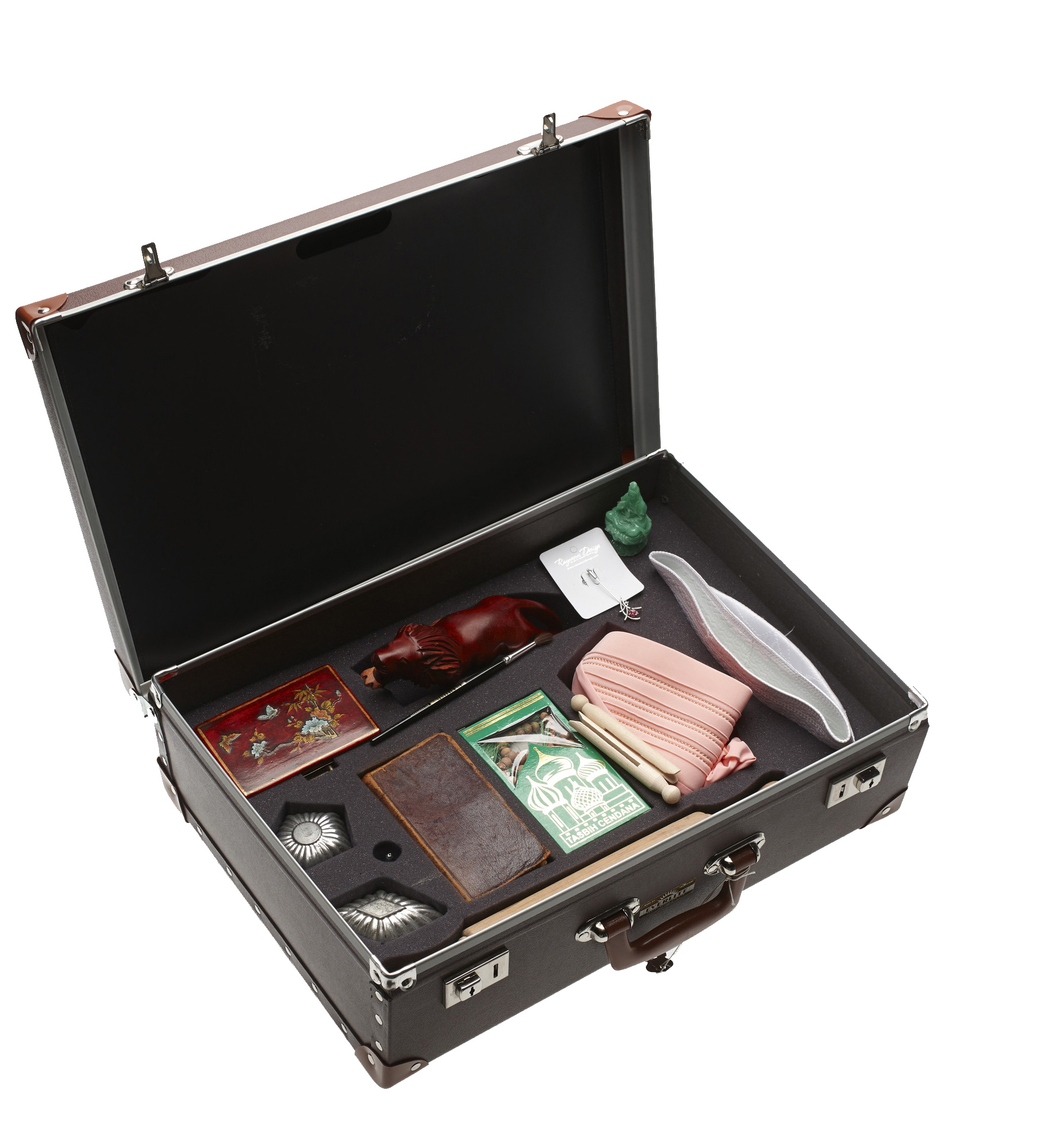
Take the objects/photographs out of the kit. Look at each object and consider these questions:
- What is the object, and what is it used for?
- What is it made from? Is it animal, plant or mineral based?
- Where might it have come from? Why do you think that?
- How old is it? How could we find out?
- Who does it belong to? What story can it tell? Do you or your family own something similar?
- Why is it in the kit? Why is it important?
- How much is it worth? How much would you pay for it? Why might an object be more valuable to one person than it is to another?
Object life stories activity
- Display the objects in five groups, one for each immigrant. Read or have students read the stories to the class.
- Discuss how, when and where each object relates to the story of its owner.
- Find more information about each object, person or the countries they migrated from in the "Further reading" section on each profile.
Using the objects in the case and/or other objects:
- Develop questions about each object, group of objects, or a part of a person's story.
- Categorise the items into types. e.g. handmade, clothing, documents. photographs. What items would you take if your family was to migrate?
- Use these links for useful strategies for creating effective questions:
- Write a narrative or report based on the objects, the people, the countries of origin and cultural events or on your own family history.
What’s Your Story? Exhibition at your school
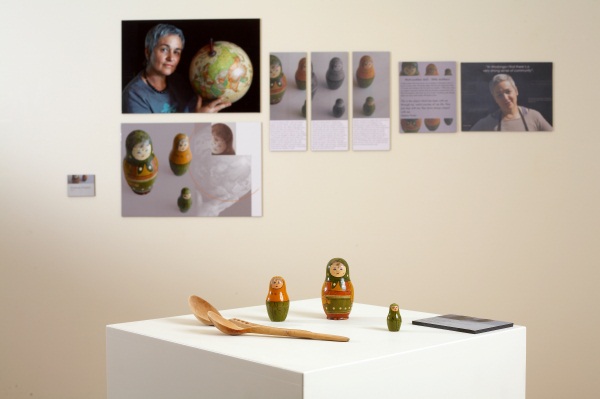
The objects in the kit and/or other objects can be displayed in many ways. This is the work of the exhibitions team at Museums Victoria.
You may wish to create your own exhibition at your school. You might like to include objects from people in your class, parents or grandparents in your exhibition. When developing your exhibition decide who will do which task, for example, what are the themes of your exhibition? How will you set up the object displays, and why? When writing labels, what information do you need to describe each object?
The questions below will help you to set up you own exhibition:
- What is the story or message of your exhibition?
- Whose story will you include? How many objects will you display?
- Where will you display your objects? Classroom, school hall, library or corridor?
- How long will your exhibition be open, what times? Will you do exhibition tours? Will the exhibition have a catalogue (book with photographs and information about each object)? Can you put some of the exhibition online as well?
- The Small Object Big Story website gives you more information about how to set up an exhibition.
Exhibition jobs
- Arrange space for exhibition
- Set up display of objects
- Write labels for objects
- Display photographs
- Write catalogue (book with photographs and information about each object)
- Plan guided tours of your exhibition
- Advertise your exhibition
- Write reviews of your exhibition (for school newsletter, website or blog)
- Photographer
- Security
- Ticket sales
The Making History resource can assist students to investigate objects in the kit or their own objects and stories and make movies about them.
Taking it further
What is a Museum?
Discuss the concept of museums:
- Who has been to a museum? What is a museum?
- What is their purpose?
- Who works in a museum? Curators, conservators, teachers, historians?
- What can museums tell us about science and history?
- Visit the Immigration Museum website.
Further study of migration
Collecting objects at Museum Victoria
Museum Victoria's Migration and Cultural Diversity Collection records the different cultures of Victoria's population since European settlement in the 1830s and contains over 6200 items. Each item has a unique story and provides insight into the lives of the people who used it.
For a new object to join the collection it needs to be significant and important. Curators need to record and research each object in the collection so that others can learn about the object as well. Items usually have to be stored in cool temperatures and dry conditions. Sometimes they need to be repaired or preserved in some way; this is the job of a person called a conservator. A fraction of the museum's collections are displayed for the public in the galleries but many objects can be viewed online at Museums Victoria Collections.