Setsutaro Hasegawa
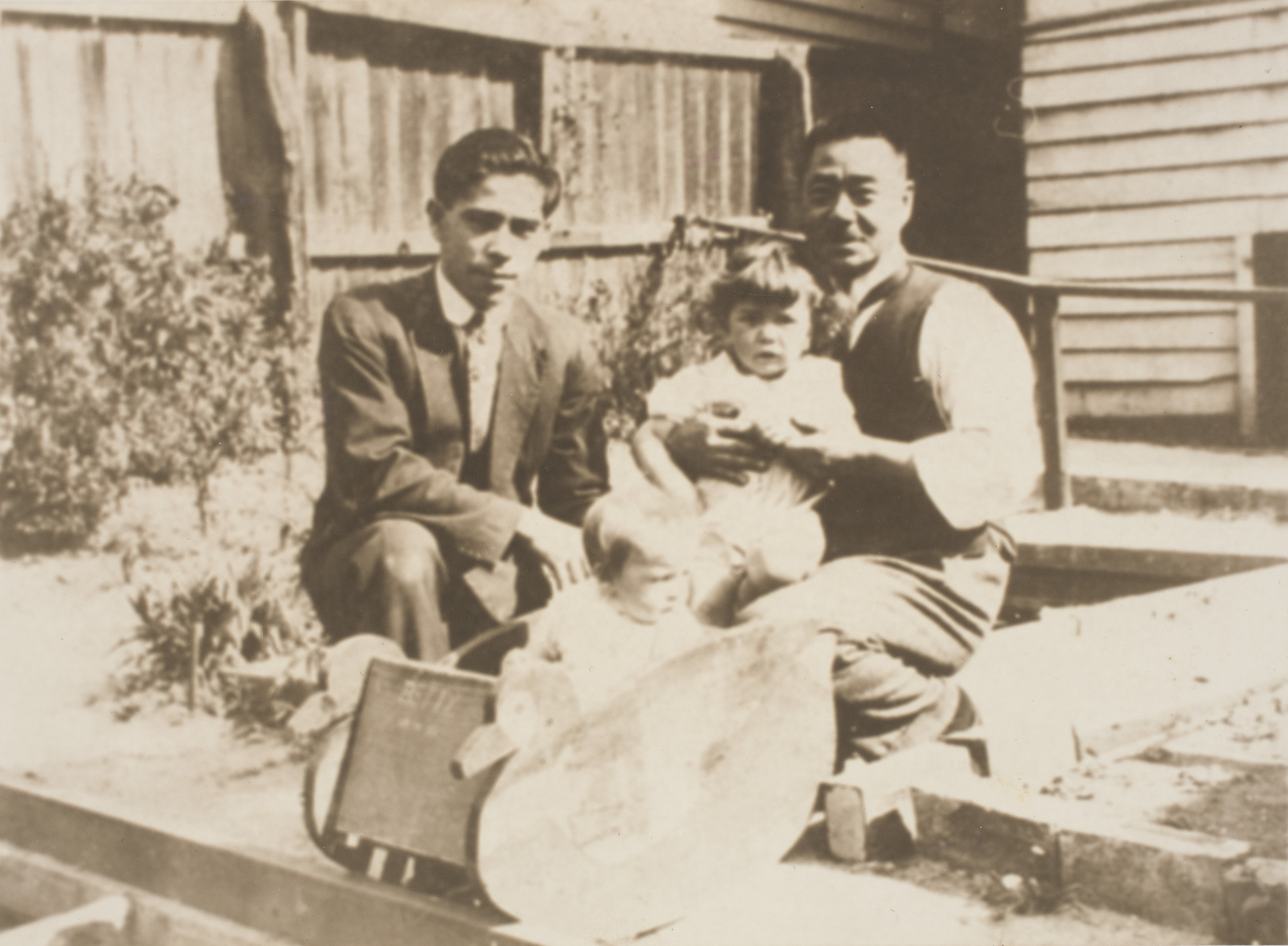
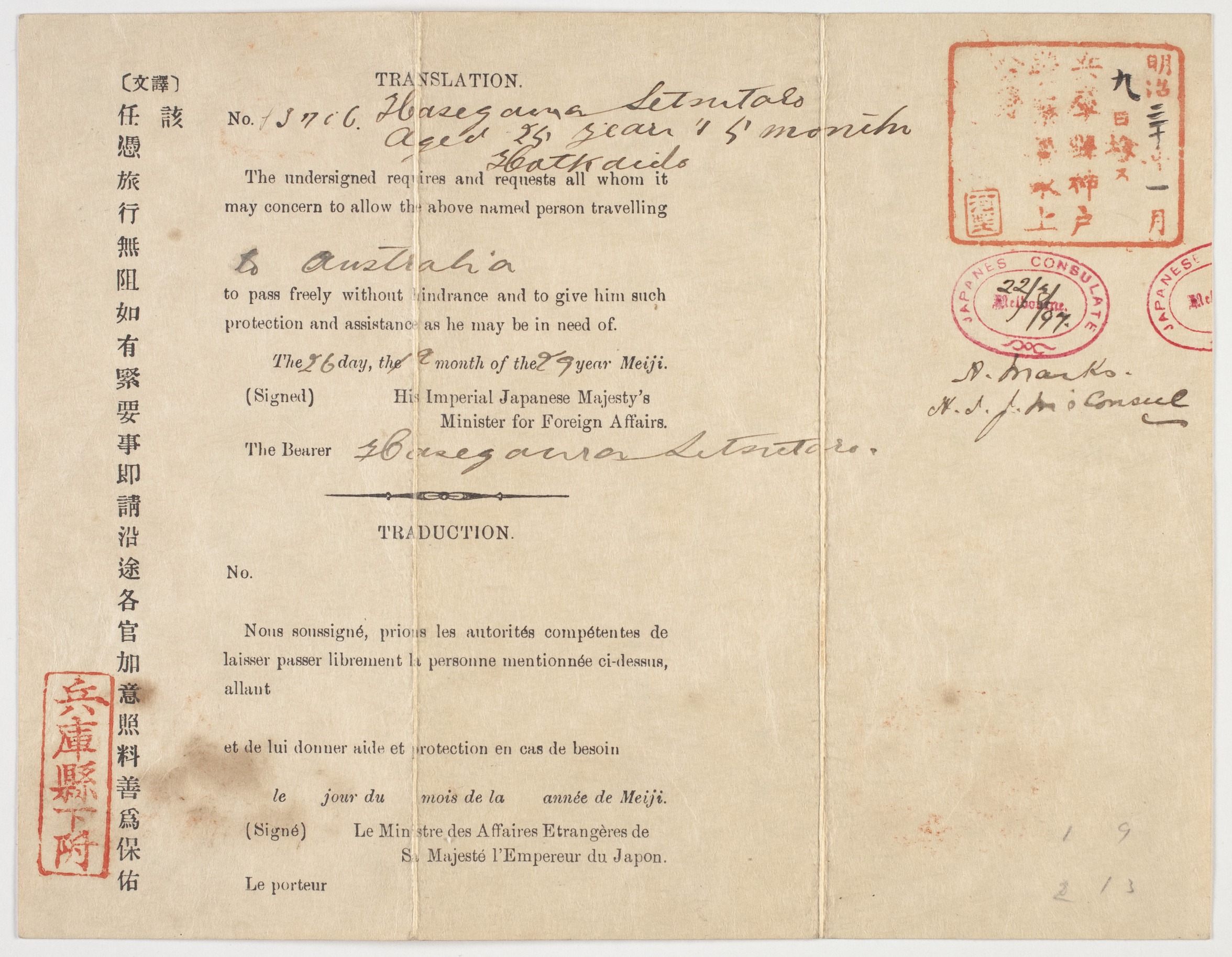
Setsutaro Hasegawa arrived in Australia from his home country of Japan in 1897. He was initially employed as a 'houseboy' and also spent some time in Ballarat before establishing a laundry business in Geelong, where there was a small Japanese community, some of whom worked for his business.
In 1905 he married Australian born Ada Cole. The couple had three children, Leo in 1906, Motto Kozo in 1907 and Joe in 1911. Setsutaro unsuccessfully applied for naturalization on 6 June 1913. This was refused as natives of Asia were ineligible to become naturalised under the White Australia policy. In December 1941, Japan attacked Pearl Harbour and Japanese nationals in Australia were rounded up and interned.
The objector is aged 73 years old and came to Australia in 1897….. He admitted affection for his Fatherland, and in view of his appearance we think he would be likely to cause unrest in any Australian community in which he may be — National Security Alien Control Tribunal no.4, 18 February 1942
Setsutaro was interned at Tatura camp in northern Victoria when he was over 70 years old. He unsuccessfully appealed for release in 1942. This request was denied due to him admitting an affection for his fatherland and his obvious Japanese appearance; both of which would cause unrest in the Australian community. However, following a petition by his son Leo, Setsutaro was released from Tatura on 3 May 1943, on the grounds of his age and poor health.
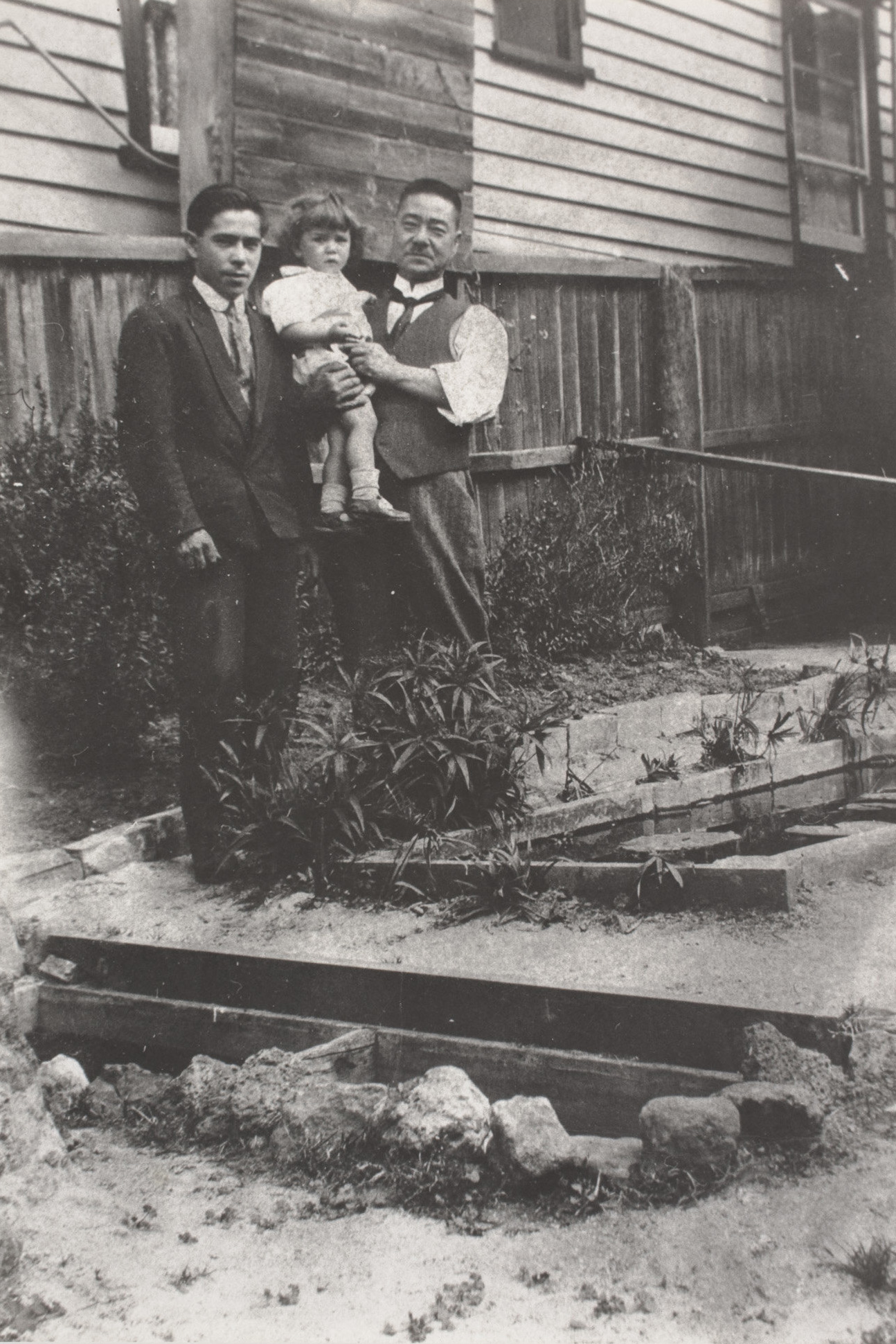
From his release until the end of the war several restrictions were placed on his movement. These restrictions were placed on him as it was felt his 'presence in the streets of Geelong might affect public morale'.
Setsutaro Hasegawa remained in Geelong until his death which is believed to be in 1952.
Further reading
Louey Gung
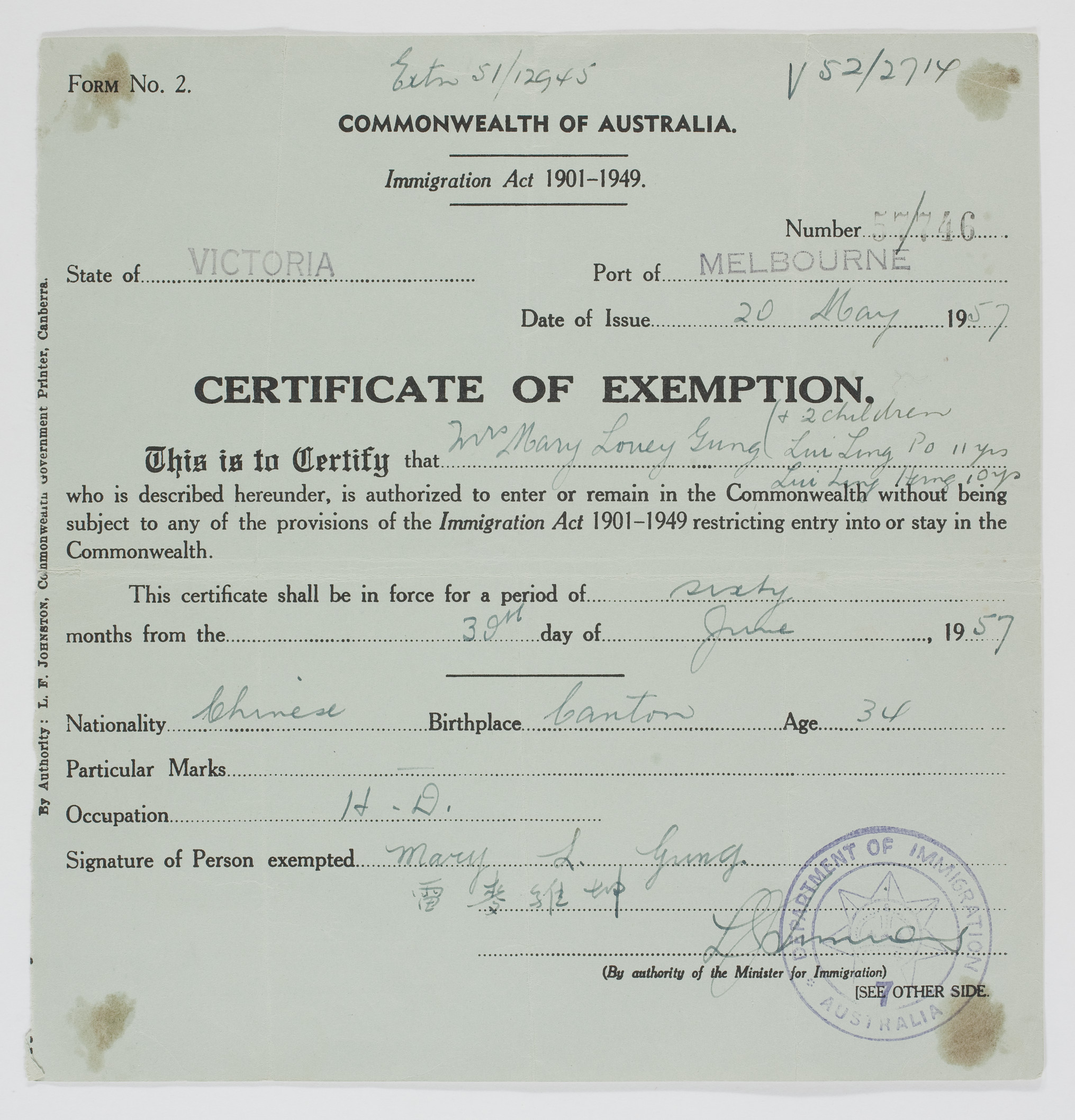
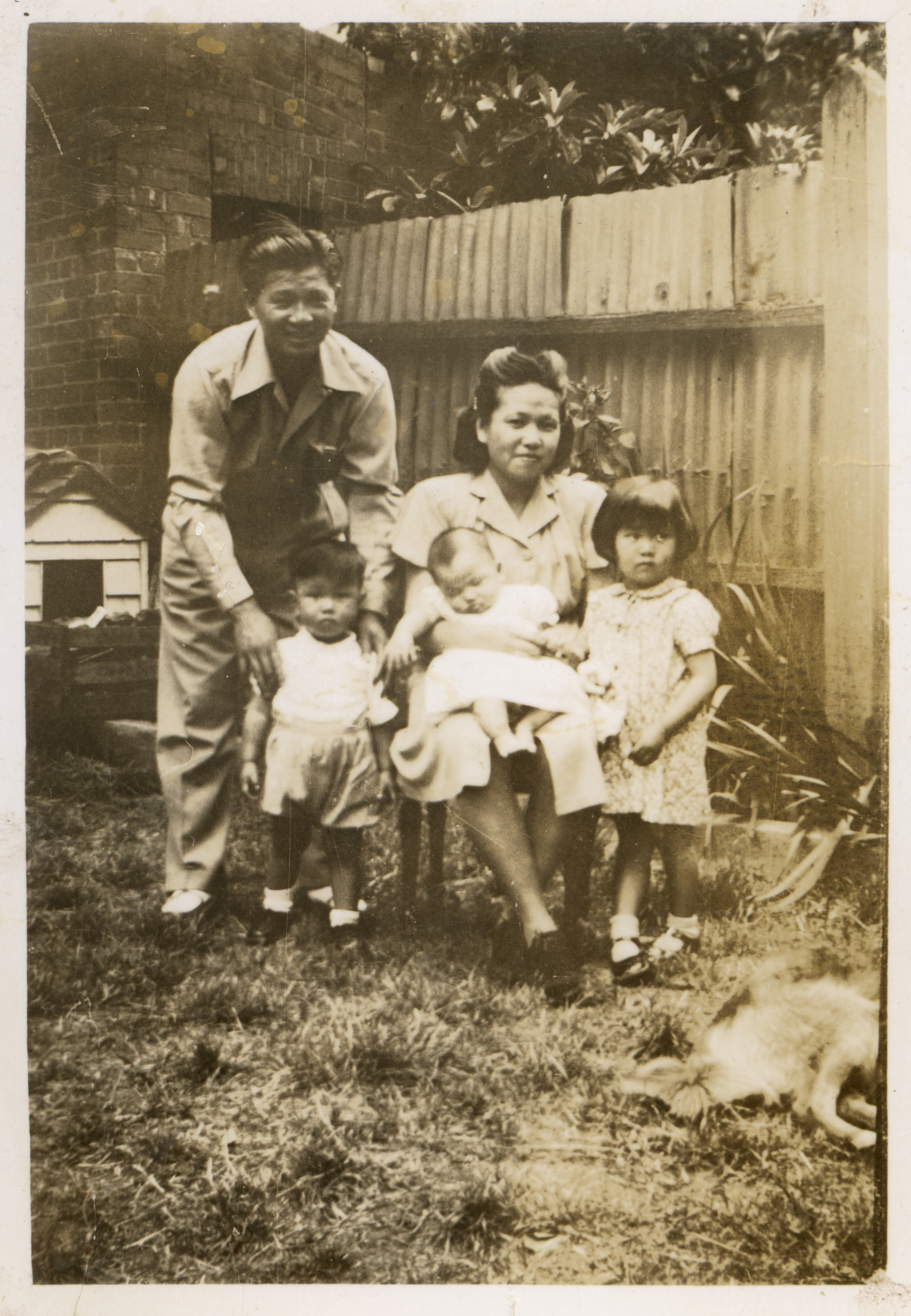
The first Gung family member to set foot on Australian land was Sydney Louey Gung, who arrived from China around 1900. Sydney spent time travelling between China and Australia in the 1920s and 1930s.
Documents and photographs in the Gung family collection include immigration papers that are of historical interest because they reflect changes in Australian immigration policy from the 1900s to the 1960s.Throughout this time, Australia's immigration policies, collectively known as the White Australia policy, restricted the immigration and rights of non-Europeans. In 1923, Harry Louey Pang, Sydney's older brother who been a continuous resident of Australia since 1888, applied for naturalisation and was refused on the grounds that if an exception was made for him, there would have to be other exceptions for other Chinese and non-white residents.
I have known Louey Gung for about five years and have always found him a steady, straight forward and hardworking man — L.S. Blair, owner of L.S. Blair and Co. Manufacturers; Letter to Custom House in Support of Louey Gung, April 1912
This meant that Sydney Louey Gung and his wife, Yun Ping, were not eligible to apply for Australian citizenship, despite having settled permanently in Australia, and having set up the Geraldton Fruit Company . The gradual relaxation of the Policy in the early 1960s allowed Sydney's daughter-in-law, Mary Louey Gung, and her children to successfully apply to become Australian citizens.
Further reading
Karl Muffler
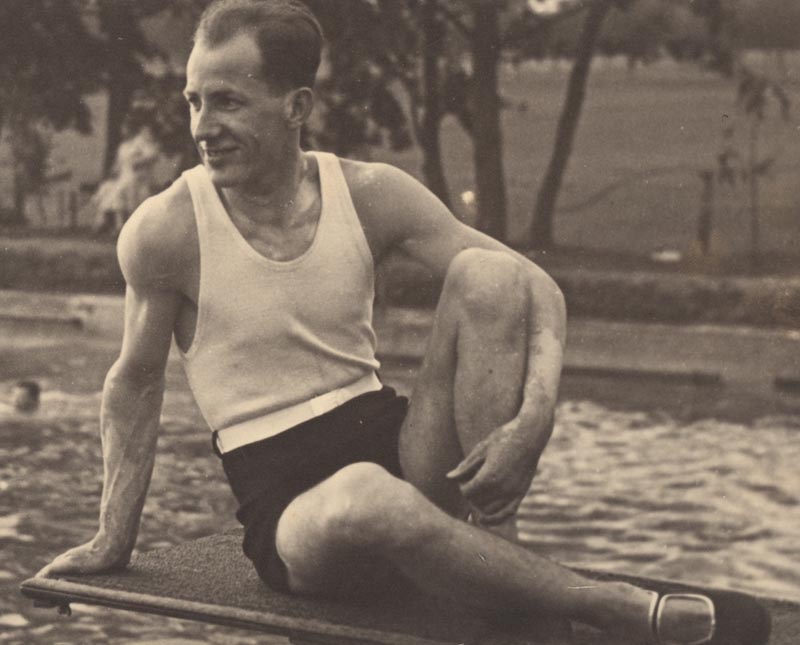
Karl Friedrich Muffler was born in 1900 in south-west Germany. As a teenager, he decided to pursue a career in confectionery craft. After completing his qualifications, Karl worked for several firms in Germany, then travelled as a confectioner on a Spanish passenger liner.
Around 1929, Karl met Bill Ikinger, a German-Australian citizen who was recruiting German pastry chefs for employment in Melbourne. Karl was attracted by the idea and, despite speaking little English, migrated to Australia under Ikinger's sponsorship in 1930.
Karl worked in Melbourne at Ikinger's cake shop in Brunswick, then established his own business, the Embassy, which operated in Malvern until the late 1930s. Karl was an innovative and artistic cake designer, introducing his customers to the 'Dolly Varden' cake (a novelty cake in the form of a full-skirted doll).
At this time Karl was also affiliated with the Tivoli Club, and the 'German Labour Front', through his father-in-law Adolf Mayer. On 4th September 1939, he was detained as an enemy alien, along with dozens of other German residents in Victoria.
During World War II, Australian authorities established internment camps for three reasons – to prevent residents from assisting Australia's enemies, to appease public opinion and to house overseas internees sent to Australia for the duration of the war. — The National Archives of Australia, 2013
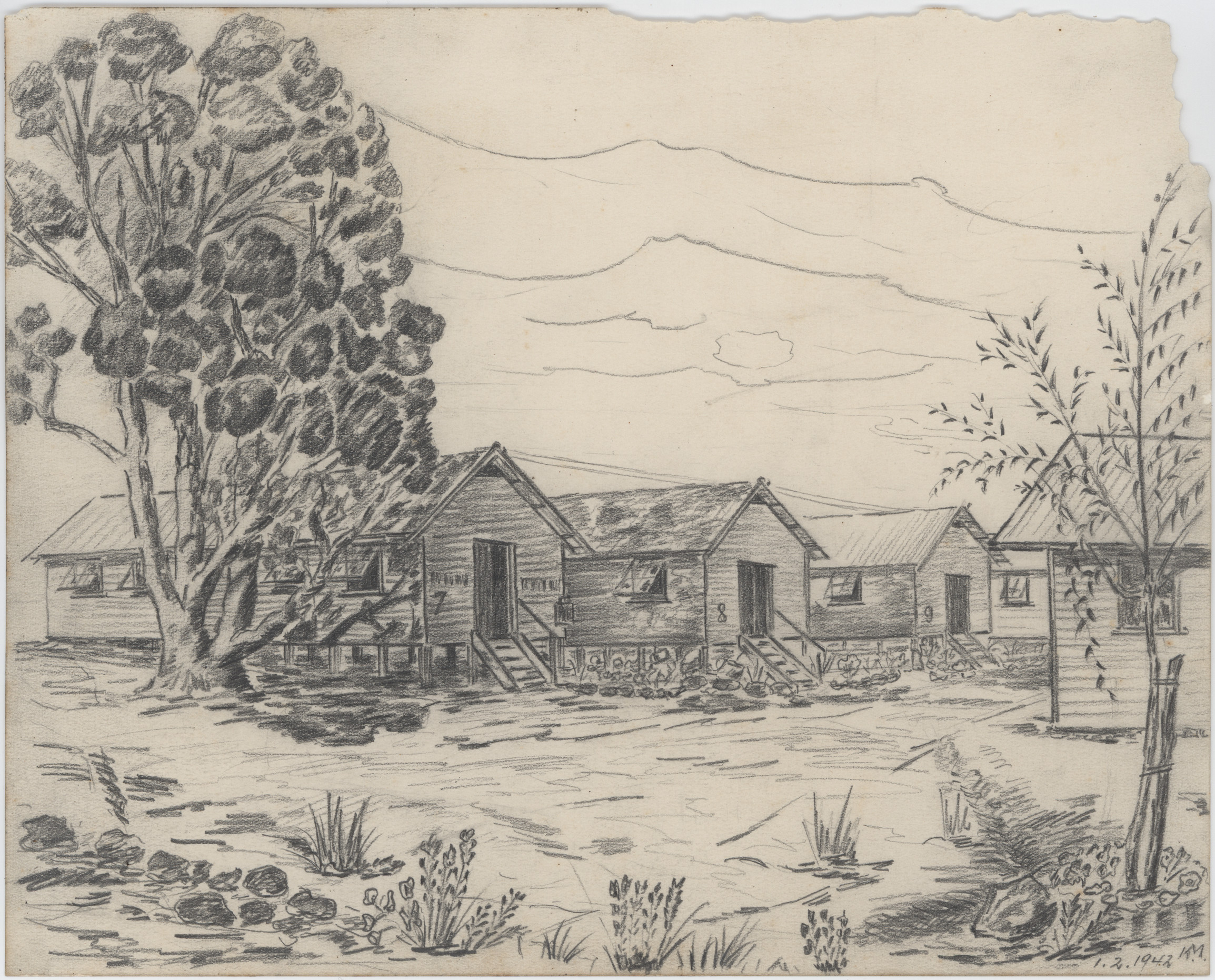
For six long years, Karl remained interned, mostly at Tatura camp in northern Victoria. He kept himself occupied decorating cakes, and learning woodcarving and drafting. Meanwhile his wife Hilde, also a German migrant, was issued with a travel permit and her movements were restricted to within 15 miles of Melbourne's General Post Office.
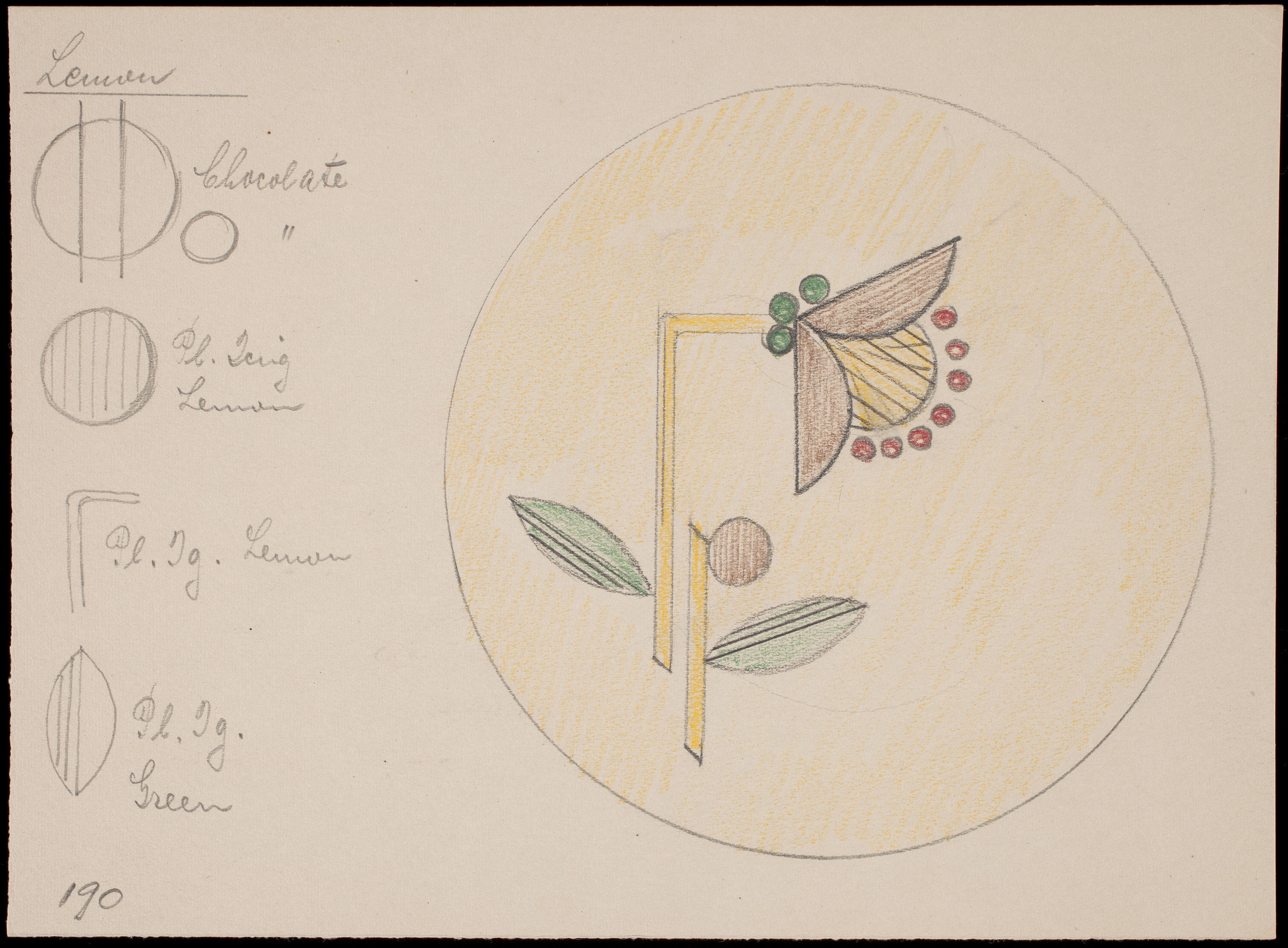
The couple were reunited after the war. With no family left in Germany, they decided to stay in Australia, became naturalised in 1947, and had two daughters.
Further reading
Zurlia Ismail
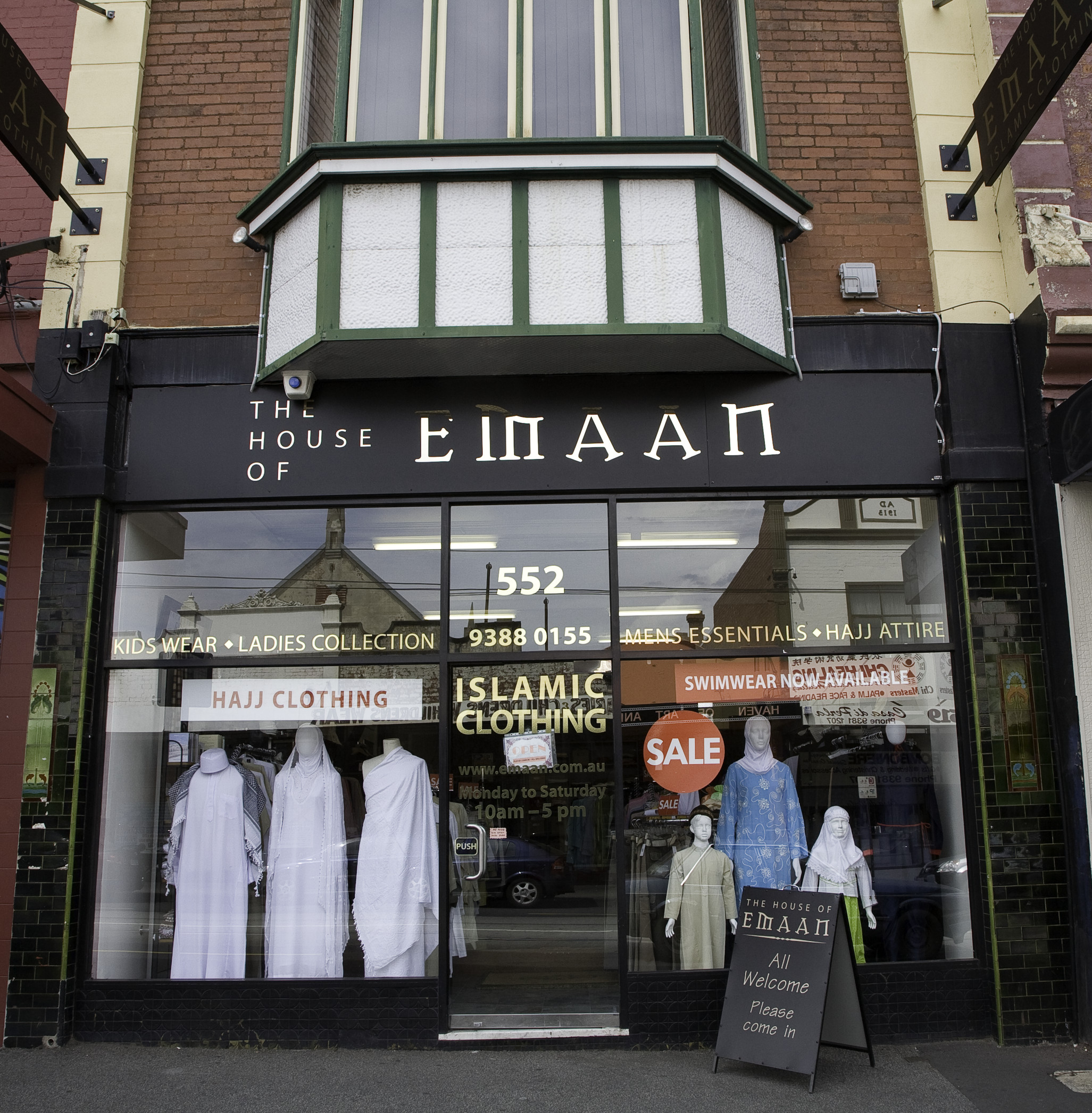
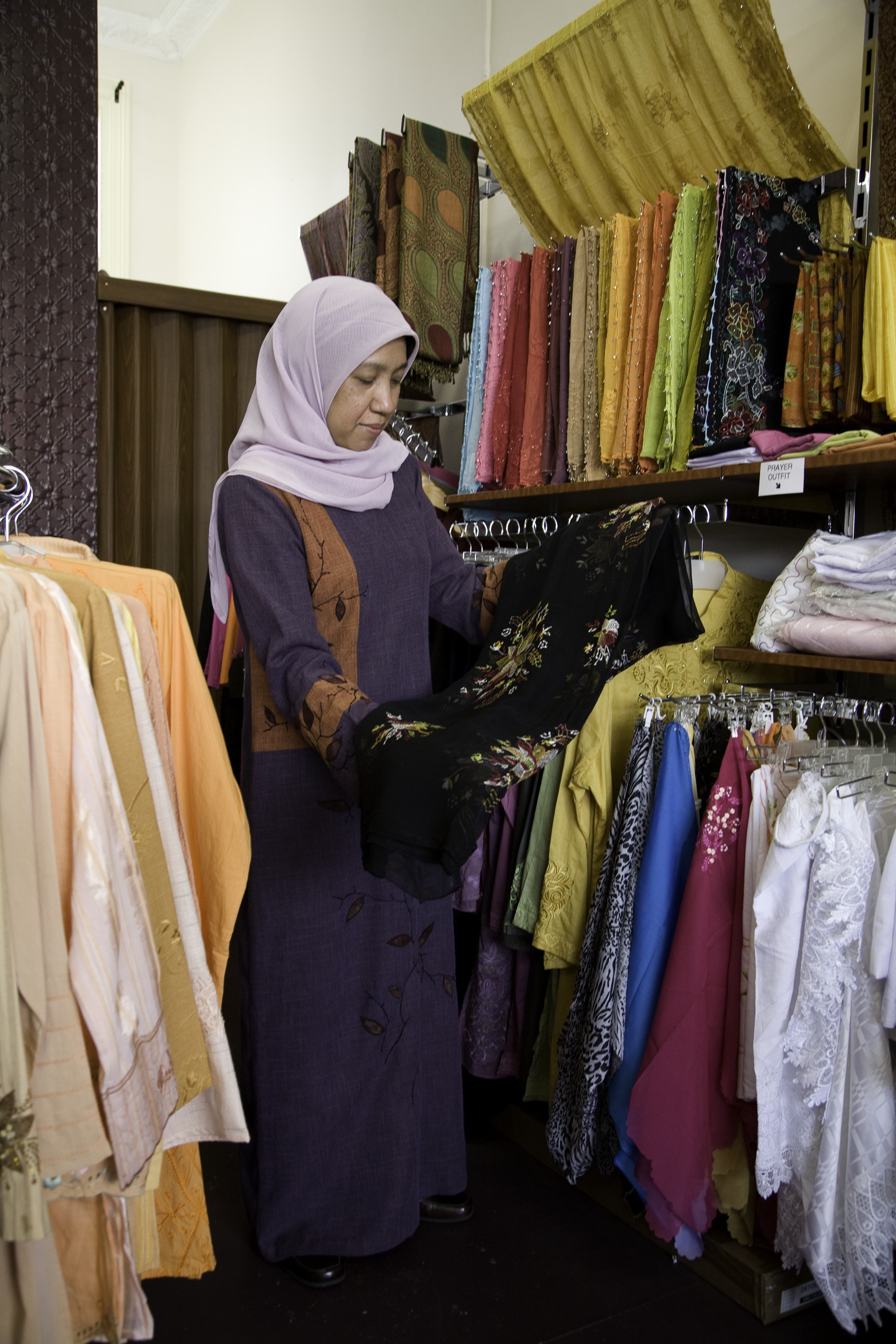
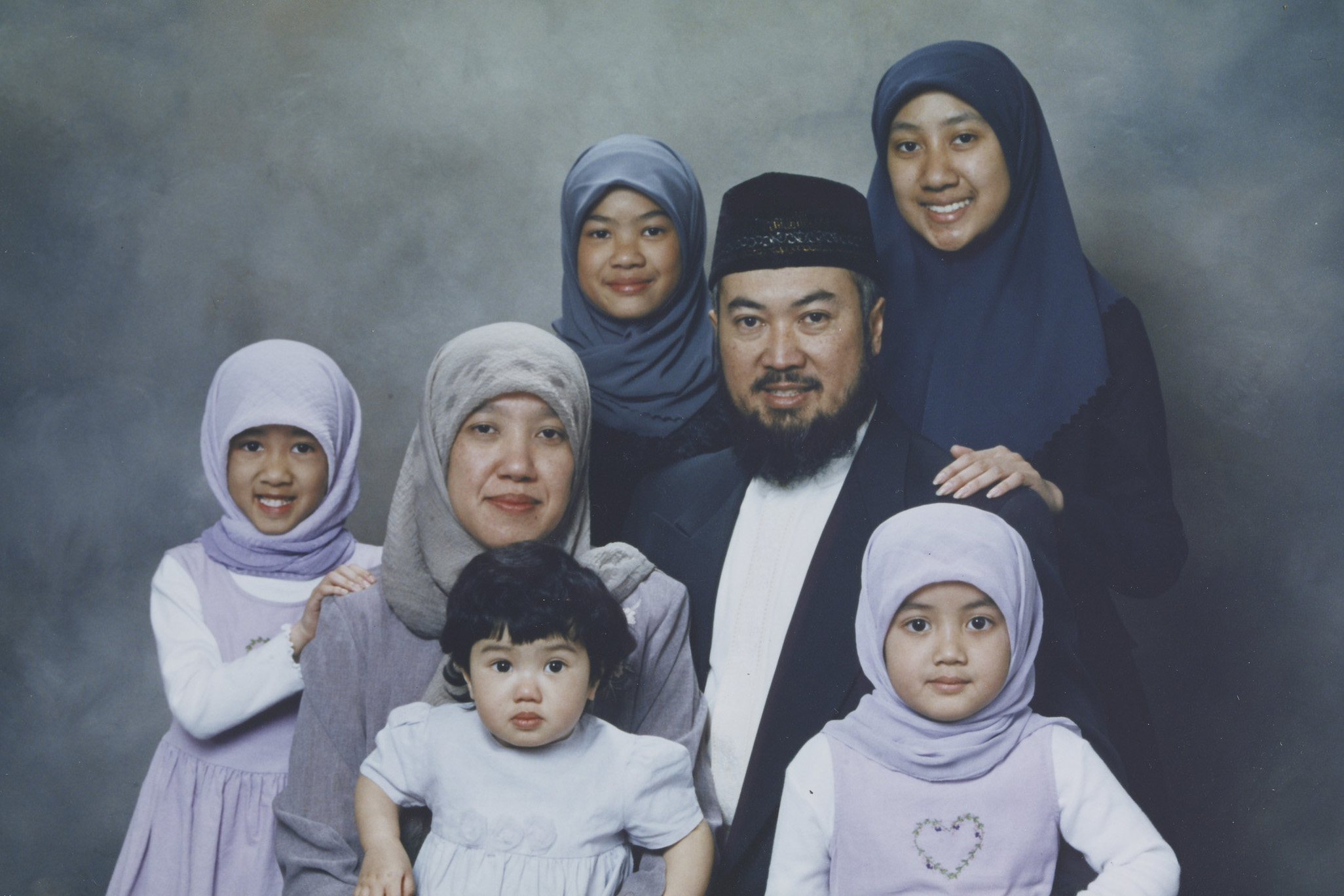
Zurlia arrived in Melbourne on 5 February 1988, having successfully applied for a scholarship offered through the Australian Universities’ International Development Program. Before arriving, Zurlia had already completed a degree in agriculture, and had lectured at the University of Brawijaya in Malang for three years until deciding that she wanted to extend her qualifications further. Zurlia left Indonesia for her new home without her husband Ghofar, and young daughter Fauzia, both of whom followed six months later.
She completed her masters in Agricultural Science at La Trobe University, living in a university flat with her family. The family returned to Indonesia when their visas expired in 1992 but came back on temporary visas and a desire to stay permanently. In 1996, after two years of waiting, their application for permanent residency was approved.
Zurlia now has five daughters and in 2003 she opened an Islamic clothing store in Sydney Road Brunswick. The store caters for a range of Muslim and non-Muslim customers and Zurlia enjoys the diversity of her clientele and the area. While she and her family return to Indonesia every two years to visit her relatives, the country she first came to for a short stay, is now her permanent home.
Nickel Mundabi

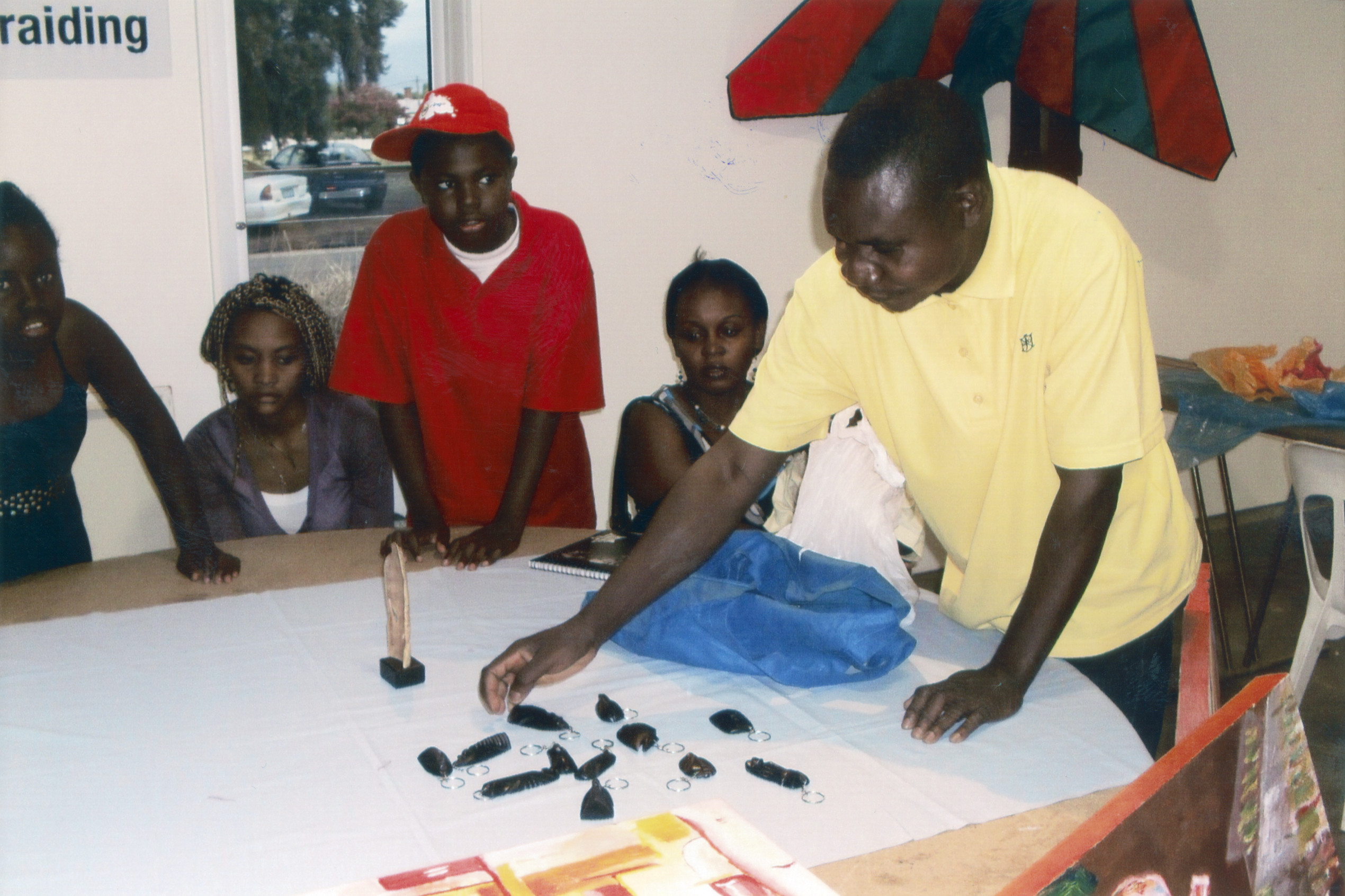
Nickel Mundabi is a Congolese artist who arrived in Shepparton with his family through the humanitarian program in 2009. Originally from Kinshasa, the capital city of the Democratic Republic of Congo, Nickel graduated from the Institut de Beaux Arts, in Kinshasa, Congo with a degree in the plastic arts. He practised as a wood sculptor, painter and also worked in bronze.
Art for me is the expression of the heart. The colours and shades that the artwork contains symbolises the harmony of all cultures — Nickel Mundabi
After Fleeing to Cameroon with his family because of the political upheavals in the DRC in the late 1990s, he set up a wood carving workshop in the city of Douala. Nickel states that he was the first person to teach wood carving in that city, getting homeless boys/young people off the street, teaching them skills and employing some in his workshop. Others went on to set up other workshops. Nickel brought to Australia some of his artworks from Cameroon, as well as precious traditional Congolese masks made by his grandfather who was also a carver and his creative inspiration.
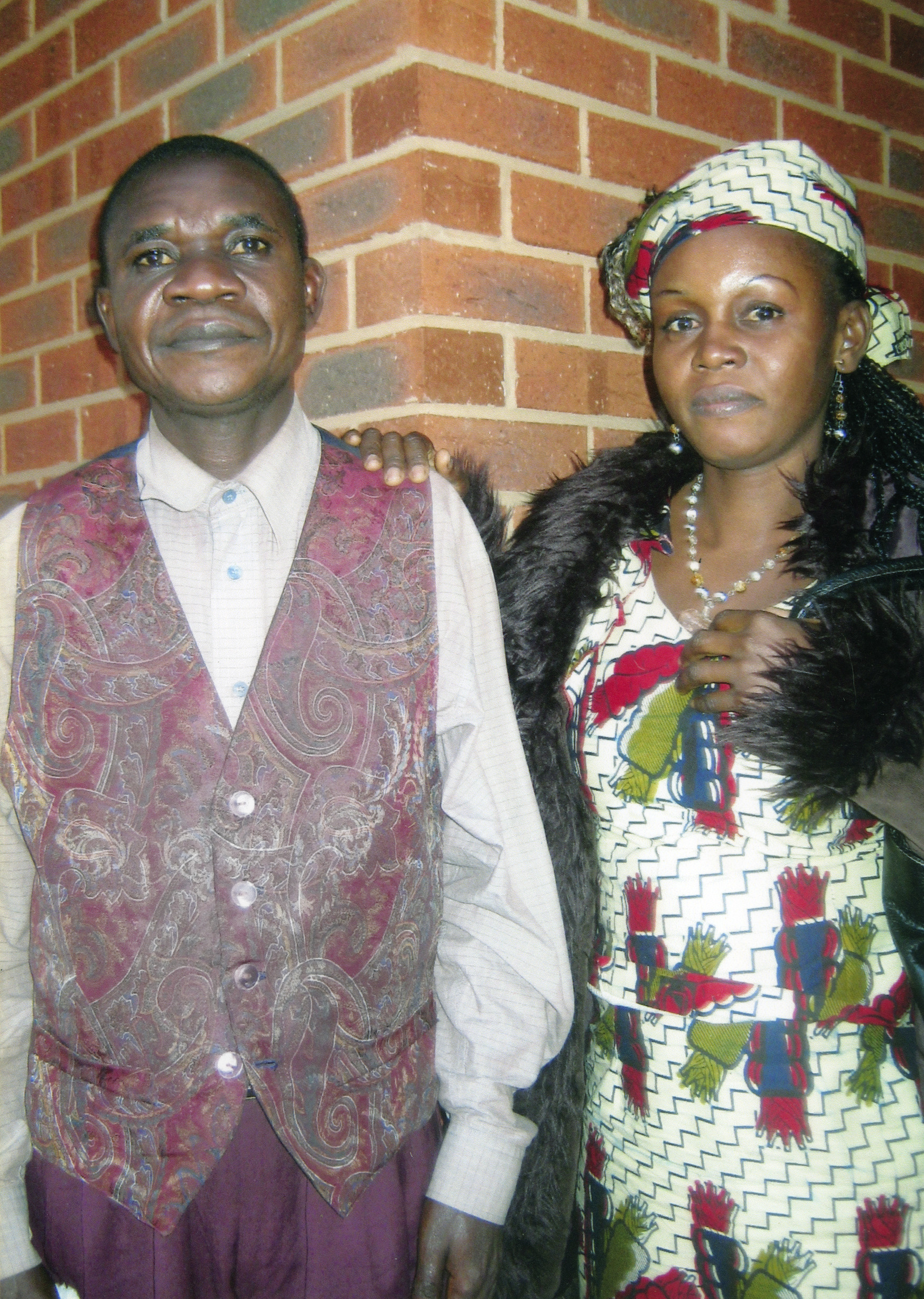
In Shepparton Nickel has continued to carve and also paint in oils. He utilises any materials that members of his church are able to find for him, and he is enjoying working with Australian timbers. One member of his church lets him use a farm shed as his workshop and has provided Nickel with tools. In 2010, he won third prize in the New Heartlands Refugee Art Prize and many of his works he sells to individual purchasers.
Watch: Carving Out a New Life
Nickel Mundabi Ngadwa demonstrating his carving and painting processes, Shepparton, 2014.